Base Co-Founder Sparks Controversy by Backing Soulja Boy’s Token Amid Scam Allegations

Another day, another celebrity token—but this time, the backing comes with a heavyweight crypto pedigree and a heap of skepticism.
When a Base co-founder throws support behind a project, the market usually listens. But endorsing a token tied to Soulja Boy—an artist with a history of failed crypto ventures and scam accusations—has the community divided. Is this visionary backing or reputational Russian roulette?
The Celebrity Crypto Playbook
Celebrity tokens follow a familiar pattern: hype, launch, pump, and often, dump. Soulja Boy’s track record in the space reads like a cautionary tale—previous projects fizzled amid user complaints and allegations of rug-pulls. Yet here we are again, with a new token and a powerful ally.
Why This Time Is Different
The involvement of a Base co-founder changes the calculus. It’s not just another star slapping their name on a meme coin; it’s a signal that serious blockchain infrastructure might be in play. The promise? Moving beyond pure speculation to actual utility—though the details remain, as always, frustratingly vague.
The Trust Paradox
This move highlights crypto’s enduring tension: the need for mainstream adoption versus the industry’s shark-infested waters. Backing a controversial figure undermines the ‘building legitimately’ narrative many protocols preach. It’s a gamble that the technology will outweigh the baggage—a bet that has burned retail investors before.
A Cynical Take from Finance
Let’s be real—this looks less like a strategic partnership and more like leveraging a co-founder’s clout to lend credibility to a questionable asset. In traditional finance, this would trigger compliance alarms; in crypto, it’s just Tuesday. The ‘greater fool’ theory isn’t an investment thesis, but it sure moves markets.
The fallout is a stark reminder: in the rush to onboard the next million users, the line between innovation and exploitation gets dangerously thin. Whether this token flies or flops, the real cost is measured in trust.
On-Chain Research Rekindles Concerns Over Celebrity Crypto Promotions
Pollak amplified the discussion while framing Base, Coinbase’s ethereum Layer-2 network, as an alternative monetization layer for creators.
In a direct reply to Soulja Boy, Pollak said he had just backed the rapper on Base and had “instantly earned,” describing the interaction as an example of “new internet” behavior enabled by on-chain tools.
. @baseapp pays you instantly https://t.co/0XurhOsj1H
— jesse.base.eth (@jessepollak) December 13, 2025Although Pollak did not name or explicitly promote a specific token, many users interpreted the exchange as an endorsement of a Soulja Boy-linked meme token that had just launched on Base.
@souljaboy just backed you on @base and you instantly earned.
new internet shithttps://t.co/CQ5NCvBwXj pic.twitter.com/fmdkt8UsZy
Developers, traders, and researchers questioned why a senior figure at a Coinbase-backed network WOULD publicly engage with a celebrity whose crypto history has drawn repeated scrutiny.
The criticism quickly shifted from the token itself to broader concerns about trust, reputation, and showing within the Base ecosystem, which has positioned itself as a compliant, mainstream-friendly Layer-2 network.
The debate intensified after on-chain investigator ZachXBT publicly challenged Pollak’s decision to interact with Soulja Boy.
Why give SouljaBoy the platform to scam new people? https://t.co/PDxnk0Z0Za
— ZachXBT (@zachxbt) December 14, 2025He pointed to research he published in April 2023 documenting what he described as a long pattern of exploitative crypto promotions tied to the rapper.
ZachXBT Details Pattern of Abandoned Crypto Projects Linked to Soulja Boy
According to that research, Soulja Boy was involved in at least 73 token promotions and 16 NFT launches, many of which later collapsed or were abandoned.
Why give SouljaBoy the platform to scam new people? https://t.co/PDxnk0Z0Za
— ZachXBT (@zachxbt) December 14, 2025ZachXBT outlined several examples from past market cycles, including meme tokens such as RapDoge, which was promoted in July 2021 before quickly rug-pulling, and projects like Orion and The Life Token, which used charitable narratives before collapsing.
Beyond tokens, the investigator said Soulja Boy launched multiple NFT collections, some of which advertised future utility that never materialized.
He also referenced prior regulatory and legal issues, including SEC charges related to TRON promotions and a lawsuit connected to SafeMoon.
Growing Scrutiny Follows Base’s Rapid Rise in the Layer-2 Market
Against that backdrop, critics argued that visibility from prominent builders functions as implicit validation, particularly for new users who may not be familiar with a promoter’s history.
Supporters of open, permissionless networks countered that public blockchains do not restrict who can deploy tokens or participate, and that engagement does not necessarily equate to endorsement.
The episode arrives at a sensitive moment for Base.
According to L2beat data, Base is currently the second-largest Layer-2 network by total value locked, with approximately $12.66 billion, trailing only Arbitrum.
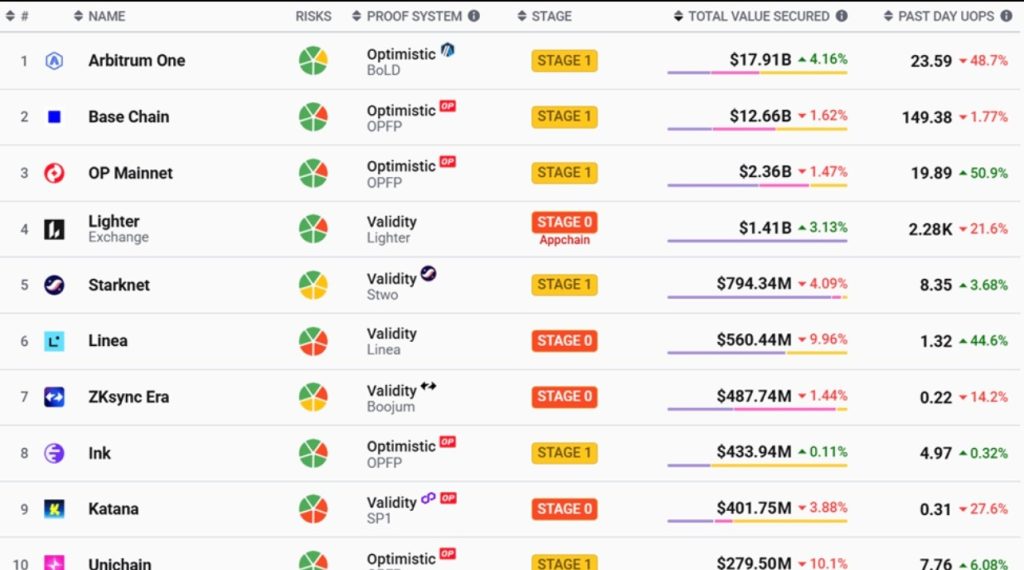
Its rapid growth has positioned it as one of the most visible scaling layers in the Ethereum ecosystem, increasing scrutiny around how senior figures communicate publicly.
The backlash also reflects a broader pattern in crypto discourse.
In recent months, ZachXBT has repeatedly surfaced in high-profile cases involving alleged misconduct, including claims tied to celebrity NFT launches, suspected large-scale hacks, and the exposure of organized fraud networks.
These episodes have fueled recurring debates about due diligence, accountability, and the role of influence in shaping on-chain behavior.
