Trump’s Crypto Regulator Pick Heads to Senate Floor for Crucial Vote - The Future of Digital Finance Hangs in the Balance

The political machinery grinds forward. A single nomination now barrels toward a Senate showdown, poised to reshape America's financial rulebook.
The Regulatory Chessboard
Forget quiet committee rooms. This confirmation battle lands on the main stage—the Senate floor—where every vote carries the weight of an entire industry's future. The nominee isn't just another bureaucrat; they're a potential architect for how the U.S. engages with blockchain, digital assets, and the trillion-dollar crypto economy. Supporters see a path to clarity. Critics fear a regulatory rollback. The market watches, unblinking.
Why This Vote Cuts Through the Noise
It's not about one person. It's about power. Whoever helms this agency gains the keys to enforcement, rule-making, and defining what counts as a security in the digital age. Their stance could either unlock institutional capital or freeze it out. Past administrations danced around the edges. This move aims straight for the center—placing a crypto-minded leader at the heart of financial oversight. The implications ripple far beyond Bitcoin's price chart.
The Stakes for Main Street and Wall Street
Think this is just for crypto bros? Think again. From retirement funds dabbling in Bitcoin ETFs to startups building on Ethereum, the regulatory climate dictates real-world velocity. A friendly regulator could accelerate adoption, drawing talent and investment back to U.S. soil. A hostile one might push innovation offshore—again. It's a classic Washington power play, dressed in blockchain jargon. The outcome either builds a framework or reinforces the wild west.
The Bottom Line: Control vs. Innovation
The Senate floor becomes a battleground for competing visions. One side prioritizes investor protection and systemic risk. The other champions technological neutrality and economic competitiveness. There's no neutral ground. Every senator's vote is a bet on what the next decade of American finance should look like. The decision won't just regulate an asset class—it will signal whether the U.S. intends to lead the digital financial revolution or merely audit it from the sidelines. After all, in finance, the biggest profits often go to those who write the rules—or cleverly bypass them.
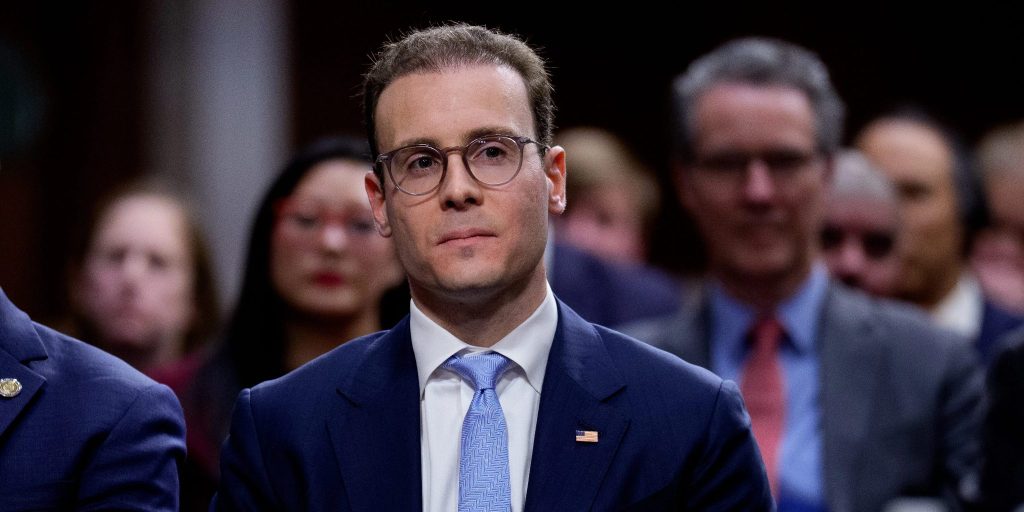 Michael Selig. | Source: The Intercept
CFTC Clears Regulatory Deck With Major Policy Overhaul
Acting Chair Caroline Pham announced yesterday that the agency is withdrawing its 2020 “” guidance for VIRTUAL currencies, eliminating compliance barriers that penalized crypto firms with overly complex rules built around a 28-day asset possession standard.
The outdated framework, designed when regulators were still uncertain about the crypto market’s development, classified digital assets as a separate regulatory category from traditional commodities, despite years of market maturation and improved custody practices.
“Eliminating outdated and overly complex guidance that penalizes the crypto industry and stifles innovation is exactly what the Administration has set out to do this year,” Pham said in a statement.
The withdrawal allows Bitcoin, Ethereum, and other digital assets to fall under the CFTC’s general technology-neutral framework, reducing compliance burdens for exchanges seeking to list new products while normalizing crypto alongside traditional commodities.
The change arrives days after the agency authorized spot crypto trading on federally regulated futures exchanges for the first time, bringing direct buying and selling of digital assets onto platforms that have operated under federal standards for nearly a century.
@ CFTC approves spot crypto trading on U.S. futures exchanges, giving investors safe, regulated access to digital assets. #SpotTrading #CFTC https://t.co/S30HuwWjGX
— Cryptonews.com (@cryptonews) December 4, 2025Tokenized Assets Gain Ground Through New Pilot Program
Beyond spot trading approval, the CFTC is pressing forward with its Crypto Sprint initiative through a December 8 pilot program authorizing Bitcoin, Ether, and USDC as collateral in derivatives markets.
The three-month program requires futures commission merchants to submit weekly reports on holdings, giving regulators real-time visibility into the performance of tokenized assets under supervised conditions while establishing guardrails to protect customers.
The agency simultaneously issued guidance confirming that tokenized real-world assets, such as U.S. Treasuries and money market funds, can be evaluated within existing regulatory frameworks.
It also granted no-action relief for firms seeking to accept certain non-securities digital assets as customer margin, addressing custody, segregation, valuation haircuts, and operational risks that have kept institutions on the sidelines.
 The US @CFTC has launched a pilot allowing Bitcoin, Ether and USDC to serve as collateral in derivatives markets, marking a major step toward regulated crypto integration.#CFTC #Tokenization https://t.co/XrmdLTamP7
Leadership Vacuum Deepens as Confirmation Vote Approaches
Selig’s nomination follows months of uncertainty after TRUMP withdrew his initial pick, former CFTC Commissioner Brian Quintenz, whose candidacy collapsed in September amid opposition from Gemini co-founders Tyler and Cameron Winklevoss.
The WHITE House had reportedly vetted several alternatives, including former CFTC official Josh Sterling and Treasury counselor Tyler Williams, before settling on Selig, who previously advised blockchain clients in private practice and worked on digital asset policy under former CFTC Chair J. Christopher Giancarlo.
The agency has operated in crisis mode since January, when Chair Rostin Behnam resigned after overseeing major enforcement actions, including the $4.3 billion Binance settlement.
Commissioner Kristin Johnson departed in September, while Caroline Pham announced plans to join MoonPay once a successor is confirmed, leaving the five-seat commission barely functional and slowing policy coordination with Congress on legislation that WOULD grant the CFTC primary oversight of spot crypto markets under frameworks outlined in the President’s Working Group on Digital Asset Markets report.

Notably, House Agriculture Committee Chairman Glenn Thompson told lawmakers he looks forward to the Senate’s confirmation vote and plans to invite Selig early next year to discuss his agenda for the agency’s first reauthorization in over a decade.
