Beyond Art Basel Miami: Eli Scheinman Maps Digital Art’s Next Frontier

Digital art is shedding its speculative skin. The market's maturing—moving past the pixelated punks and generative gold rushes that defined its first explosive chapter. Eli Scheinman, a key voice before the Art Basel Miami Beach whirlwind, points to a future where the medium's value isn't just locked in a wallet, but woven into culture itself.
The New Canvas: Utility Over Hype
Forget flipping JPEGs. The next wave is about utility—digital art that unlocks experiences, governs communities, or functions as a key. Think of it as moving from a static painting on a digital wall to a living, breathing asset with a purpose. This shift demands artists become technologists and world-builders, not just creators of visually appealing tokens.
Institutions Are Knocking. Should We Let Them In?
Traditional galleries and auction houses, once skeptics, are now circling. Their interest validates the space but brings a critical tension: does institutional adoption dilute digital art's rebellious, decentralized core? Scheinman suggests a middle path—leveraging their reach while protecting the artist-first ethos that built the scene. It's a tightrope walk over a pit of… well, let's call it 'high-net-worth indifference.'
The Tech Stack Gets a Makeover
The underlying infrastructure is evolving fast. We're talking about layer-2 solutions cutting gas fees to the bone, making minting accessible again. Cross-chain interoperability is breaking down walled gardens, letting art flow freely between ecosystems. The tech is finally catching up to the ambition, moving from clunky to seamless.
A Cynical Finance Jab for the Road
Of course, some Wall Street types still see it all as a fancy new derivative to be packaged and sold—a digital Beanie Baby with a blockchain receipt. But that misses the point entirely.
The final frame? Digital art's future isn't on a screen; it's in the real world, changing how we own, experience, and value creativity. The speculative frenzy was just the opening bid.
After The NFT Bubble: A Calmer Market Takes Shape
The NFT frenzy of 2021–2022 has faded, and the market looks more selective after months of a bearish market. Scheinman called the current phase a “post HYPE maturation,” where easy flipping is gone, and buyers focus on projects with sound craft, strong concepts, and credible use of on-chain tools.
That shift places pressure on artists to refine technique and intent. It also asks more of collectors. “Those who remain in this digital art ecosystem are as thoughtful and as sort of long-term minded as ever,” Scheinman said. With that combination, he added, quality is rising across new works and series.
Display and experience remain practical hurdles. Collectors still wrestle with how to show digital pieces at home or in offices, and how to surface the social networks that often surround on-chain collections.
Scheinman framed this as a “principal challenge today” and a near-term area for experimentation in both physical and online settings.
Where Digital Art Goes Next
Scheinman sees digital practice moving from niche to routine, pointing to the spread of digital tools across daily life and the growing role of crypto rails in payments and ownership.
As those rails improve and friction drops, the mental model of acquiring wholly digital works with crypto should feel natural to a wider base of buyers.
He identified four collector cohorts that Zero 10 hopes to engage: Existing digital art collectors who may not yet be close to Art Basel; Traditional Art Basel patrons who carry dated assumptions about crypto or digital work; Younger fair visitors who come to explore and respond to interactive installations; Crypto-native participants who have not yet crossed into collecting art on Ethereum, Bitcoin, or other chains.
This mix suggests a path for audience growth that does not rely on a single hype cycle. It instead leans on better exhibitions, clearer ownership experiences, and consistent curatorial standards that reward depth over impulse.
Art Basel’s Zero 10: Curating The Field
Zero 10 will present works from artists and galleries whose practices are rooted in digital creation, then expressed through screens, prints, sculpture, robotics, and interactive projects.
“When you take them together, [they] will fundamentally reconstruct the way that an attendee… thinks about digital art,” Scheinman said.
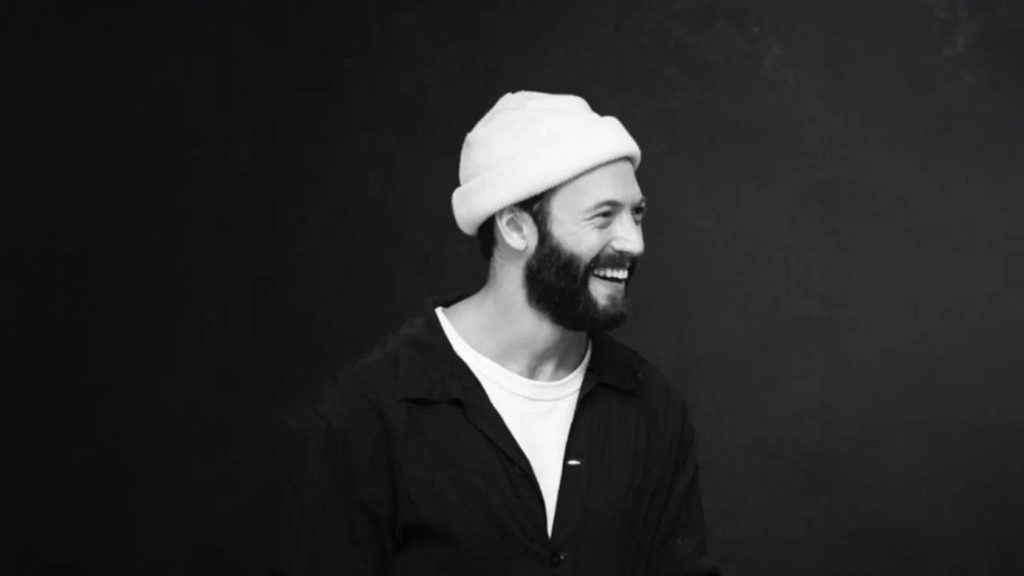
Eli Scheinman, Zero 10 Curator (Source: Courtesy of Art Basel)
According to him, large-format displays will sit alongside painting, 3D printed objects, and installations that require on-site participation. The goal is to give visitors, including newcomers, a direct encounter with process and concept rather than a narrow view of screens alone.
Scheinman stressed stewardship, saying, “I take my commitment and my responsibility to the digital art ecosystem very seriously.” Success, in his view, WOULD mean a presentation that is sincere to artists, galleries, and collectors, and memorable for first-time visitors who step into the field on Miami Beach.
That approach mirrors the market’s next phase. Less noise, more craft, clearer contexts for ownership and display. Zero 10 sets out to stage that shift on a major fair floor, and to test how far thoughtful curation can MOVE the conversation.
