Ethereum Founder Vitalik Buterin Demands Algorithmic Transparency on X

Vitalik Buterin just threw a wrench into the social media machine. The Ethereum co-founder is publicly calling out X—formerly Twitter—demanding it pull back the curtain on its secret sauce: the algorithm.
The Black Box Problem
It's a classic tech power move. Platforms hoard their algorithmic logic like trade secrets, creating opaque systems that dictate what billions of people see every day. Buterin's challenge cuts to the core of a growing distrust. If a platform can shadow-ban, boost, or bury content with a few lines of code, who's really in control of the narrative?
Why Crypto Cares
For the blockchain world, this isn't just about feed curation—it's about foundational philosophy. Decentralized networks are built on transparent, verifiable rules. Centralized platforms operating in the dark represent everything crypto seeks to bypass. Buterin's push aligns with a broader movement: treating algorithmic governance with the same scrutiny as financial regulation. After all, if banks had to disclose their risk models, why shouldn't social media giants?
The Ripple Effect
This isn't a lone rant. It's a signal flare. When a figure of Buterin's stature demands transparency, it pressures other influencers, regulators, and the platform itself to respond. Watch for this to spill over into debates about AI curation, content monetization, and digital rights. X's response—or lack thereof—could set a precedent for the entire industry.
A cynical take? It's rich hearing demands for transparency from an industry that made 'anonymous founder' a job title and 'rug pull' a verb. But even a broken clock is right twice a day—and this time, Buterin's ticking is loud enough to make a Silicon Valley boardroom sweat.
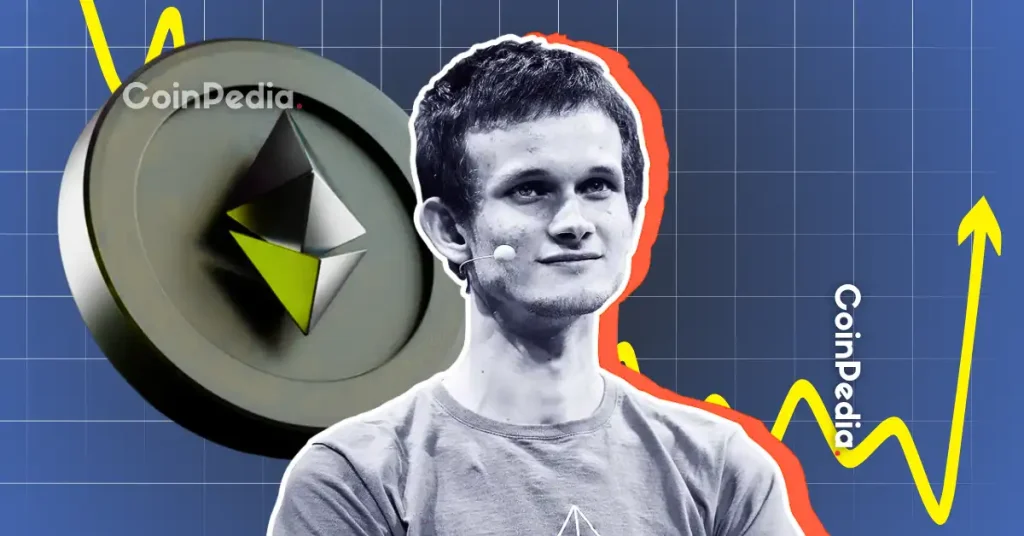
Ethereum co-founder Vitalik Buterin has called for major social media platforms to be more transparent about their content algorithms, saying users deserve to know how posts are filtered and ranked.
His comments come as concerns grow over how large tech platforms control online conversations. He believes these steps can help protect free speech and rebuild trust in platforms like X.
Vitalik Wants Algorithm Transparency on Free Speech Platforms
In a recent tweet post, ethereum Foundation AI lead Davide Crapis said that platforms claiming to support free speech should clearly explain how their algorithms work.
He argued that users deserve to know what these systems are designed to promote and that such settings should be easy to understand and adjustable.
if you want to claim X is the platform for free speech, you should disclose your algorithm optimization targets
it should be legible to the users, and tweakable
Vitalik Buterin responded by pushing the idea much further. He suggested that every major algorithmic decision should be verified using zero-knowledge proofs. This WOULD allow platforms to prove their systems are acting fairly without exposing private user data.
He also proposed recording content and engagement timestamps on-chain, making it impossible for platforms to quietly censor posts or manipulate timelines.
Vitalik’s Proposal Includes Delayed Release of Algorithm Code
To improve accountability, Vitalik proposed that social media companies publish their full algorithm code after a delay of 1 to 2 years.
This approach, he said, would balance transparency with security, allowing the public to review how decisions were made while protecting platforms from immediate exploitation.
With platforms like X handling hundreds of millions of posts daily, Vitalik believes delayed transparency could help users and researchers better understand how content decisions were made over time.
Warning of Future Backlash Against Free Speech
Vitalik also shared concerns about the direction of free speech on large social media platforms. Quoting Elon Musk’s vision of X as a global free speech space, he warned that turning platforms into tools for organized harassment could have serious consequences.
@elonmusk I think you should consider that making X a global totem pole for Free Speech, and then turning it into a death star laser for coordinated hate sessions, is actually harmful for the cause of free speech. I'm seriously worried that huge backlashes against values I hold…
— vitalik.eth (@VitalikButerin) December 9, 2025He said such behavior may lead to strong public backlash in the future and could end up harming the very idea of free speech itself.
Concerns Over Coordinated Online Hate
Beyond algorithms, Vitalik also spoke about growing online hate, especially targeting Europe. He said some discussions have moved from fair criticism to extreme and hostile attacks that do not match his personal experience.
While he agreed Europe has real problems, he warned that exaggerated stories are being used to attack entire regions.
According to Vitalik, the broader crypto and blockchain community believes that transparency, clear rules, and verifiable systems are essential to rebuilding trust in online platforms and protecting open conversation.
