GhostSwap Expands to Solana With Major Second Product Launch

GhostSwap just landed on Solana—and it's bringing a new weapon.
The cross-chain DEX, already a force on its native chain, just flipped the switch on its second core product. This isn't just a new feature; it's a full-scale invasion into one of DeFi's most crowded arenas. The move signals a clear pivot from a single-chain player to a multi-chain contender, directly challenging established Solana natives on their home turf.
Why Solana, and why now?
Speed and scale. Solana's architecture offers the throughput GhostSwap needs to execute its vision of frictionless, cross-chain swaps without the gas-guzzling bottlenecks of older networks. The timing is strategic—capital is rotating, and liquidity follows innovation. By planting its flag now, GhostSwap isn't just joining the ecosystem; it's aiming to reshape its liquidity landscape.
The real test? Liquidity migration.
A sleek interface means nothing without deep pools. GhostSwap's success hinges on convincing its existing user base and Solana natives to provide liquidity. That's a battle fought with incentives, yield, and a seamless user experience that makes bridging assets feel less like a frontier expedition and more like a subway transfer.
For traders, this means more options and tighter spreads. For the protocol, it's a gamble on total value locked and market share. Another day, another DEX trying to carve out a slice of the fee pie—because what's finance without a few redundant layers all competing for the same dollar?
Watch the volume metrics. If they spike, GhostSwap's multi-chain bet pays off. If they stagnate, it becomes just another ghost town in the ever-expanding DeFi metropolis.
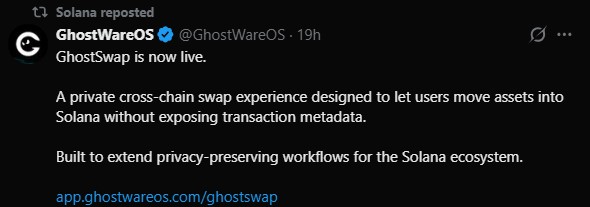
The launch gained strong attention after Solana’s official announcement, signaling ecosystem-level recognition. The launch also gained traction because of the rising demand of onchain privacy tools, especially when attackers are using every possible public data for theft.
But at the same time, concerns around the potential misuse of such privacy-focused DEX keep them under question and market scrutiny.
GhostSwap: Anonymous Swaps and Cross-Chain Transfers
GhostSwap is designed to make crypto activity hard to trace while keeping the speed and low fees Sol-network is known for. Instead of showing clear on-chain trails, the platform uses privacy-preserving routing and shielded liquidity pools, which break the visible LINK between deposits and withdrawals.
This allows users to move assets from chains like ethereum and Bitcoin into Solana without exposing sender or receiver details. The platform also connects with GhostPay, GhostWareOS’s first product for private on-chain payments.
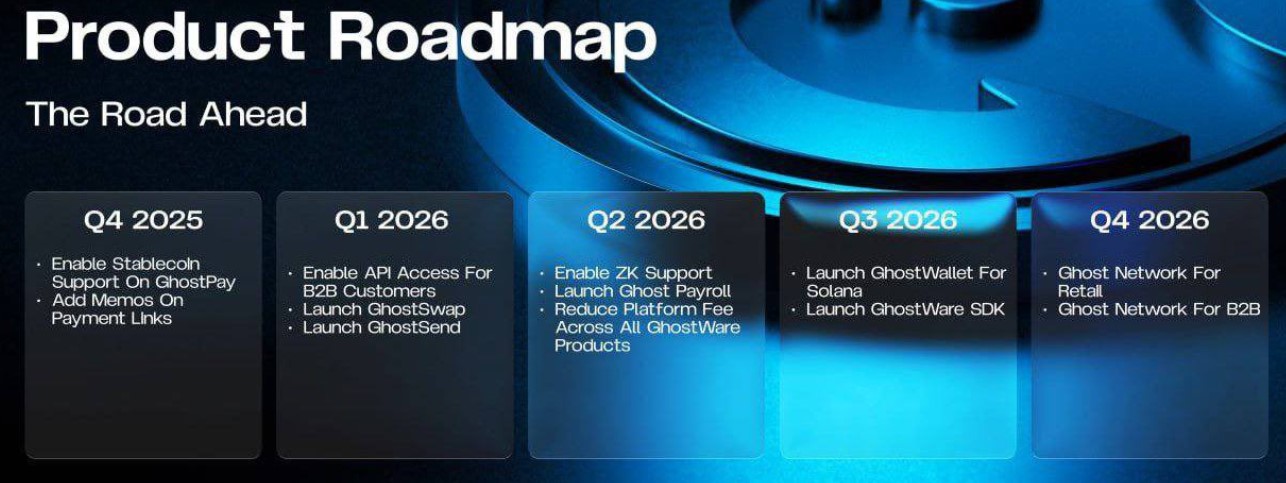
The goal is simple: give users anonymity on a high-speed chain, something usually missing in most DeFi apps.
$GHOST Token Price Impact Ahead of Launch
The ecosystem’s native token, $GHOST, saw heavy volatility in price around the GhostSwap launch. After surging more than 300% in the weeks leading up to launch, the token faced a sharp nearly 34% decline, currently at $0.005088, in the past 24 hours, as traders locked in profits following the strong rally.
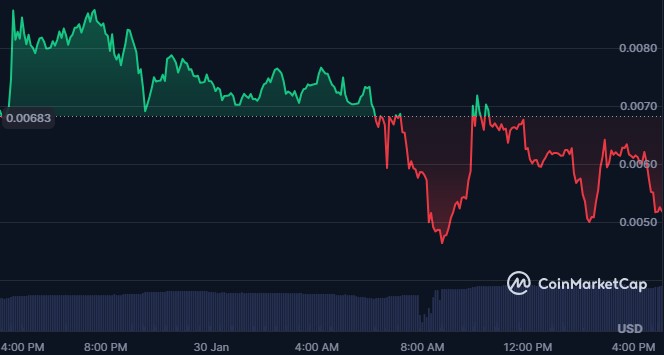
Despite the pullback, $GHOST remains up over 90% on the week and more than 200% over the past month, suggesting that while short-term traders exited, longer-term interest tied to real protocol revenue and product adoption is still in focus.
GhostSwap Growth With Launch
GhostSwap highlights the growing demand for privacy tools on Solana, especially as DeFi activity expands. With integrations like Moonshot and cross-chain support, the project could attract users from Ethereum and Bitcoin who want speed without public exposure.
While privacy tools can face regulatory pressure, GhostSwap’s launch marks a key step toward making privacy a Core feature of SOL’s DeFi ecosystem.
This article is for informational purposes only and does not constitute financial advice.
