White House Crypto Meeting Targets Stablecoin Rewards Deadlock - Will 2026 Finally Bring Regulatory Clarity?

Washington's corridors are buzzing again—this time with the sound of stablecoin negotiations hitting another wall. The White House just convened another high-stakes crypto roundtable, and the sticking point remains the same: how to regulate those juicy yield-generating mechanisms without stifling innovation or inviting systemic risk.
The Regulatory Tug-of-War
It's a classic Washington dance. On one side, you've got agencies eyeing stablecoin rewards like a hawk—worried about everything from consumer protection to shadow banking. On the other, industry leaders argue that predictable rules are the only way to foster responsible growth and keep this tech onshore. The deadlock? Defining what constitutes a 'security' versus a 'utility' in a rewards program. Without that line, everyone's stuck in legal limbo.
Why This Matters for Your Portfolio
Let's cut through the jargon. Regulatory clarity isn't just bureaucratic box-ticking—it's the bedrock for institutional adoption. When major funds know the rules, they deploy capital. That means deeper liquidity, more sophisticated products, and yes, potentially more stable yields for everyone. The current ambiguity just pushes development offshore, where oversight is often... optional. A cynic might say that's how traditional finance likes it—keeping innovation at arm's length until they can buy it cheap.
The clock is ticking. With other global financial hubs racing to establish their own frameworks, the U.S. risks losing its first-mover advantage for good. The next few months could decide whether the future of digital finance is built here or elsewhere. The market's watching—and it's getting impatient.
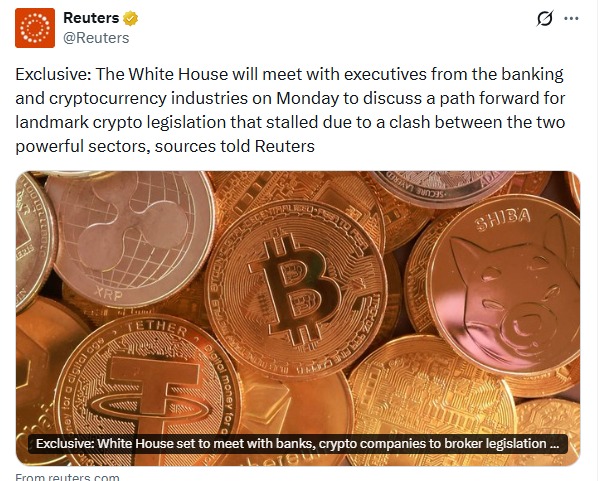
This new law, known as the CLARITY Act, is meant to finally set clear rules for digital assets and decide which government agencies like the SEC or CFTC oversee which parts of the digital world. However, the bill hit a major roadblock in the Senate recently. The problem? A massive "fight for deposits" between traditional banks and digital asset firms over how stablecoins are used.
The meeting will include heavy hitters like White House "AI and Crypto Czar" David Sacks and Patrick Witt, the director of the digital asset council. They are stepping in to play referee between a banking sector that is scared of losing customers and a digital asset industry that wants the freedom to offer better deals.
Can the CLARITY Act Survive the Stablecoin Yield Dispute?
The biggest argument holding up the CLARITY Act is about "rewards." While a previous law the GENIUS Act stopped stablecoin companies from paying interest like a bank, the CLARITY Act has a "loophole." This allows digital coin exchanges to take the profit from their reserves and give it back to users as "rewards."
Banks are fighting hard to close this loophole. A recent report from Standard Chartered warns that if this continues, stablecoins could pull nearly $500 billion out of U.S. banks by 2028. For small, local banks, this "deposit flight" is a huge danger to their survival.
The Three Main Points of the Fight
Banks want a total ban on any third-party rewards to keep people from moving their savings into stablecoins.
Crypto leaders like Coinbase CEO Brian Armstrong say that banning rewards is unfair and stops the U.S. from being a leader in tech.
Both sides agree that without the CLARITY , companies are left in the dark, which forces innovation to MOVE to other countries.
Expert Analysis: Finding a Middle Ground
The White House is jumping in because they need a "win" for crypto policy before the 2026 elections. David Sacks recently mentioned that a "good compromise" means everyone walks away feeling a little bit unhappy. To get the CLARITY Act passed, digital assets firms might have to accept limits on their rewards, but in exchange, they will get the clear, fair rules they’ve been asking for for years.
If they can't agree on Monday, it could mean another year of confusing lawsuits and mixed signals. If a peace treaty isn't signed, experts believe the market will simply "build around" the law, creating a shadow banking system that no one can control. The stakes on February 2 couldn't be higher for the future of the U.S. economy.
