SEC Lawsuit Against Gemini Dismissed: Winklevoss Twins Score Major Legal Victory

The SEC just got served a reality check. A federal judge tossed the regulator's lawsuit against Gemini and the Winklevoss twins—a stunning blow to the agency's aggressive crypto crackdown.
Regulation by enforcement takes a hit
For years, the SEC's playbook has been clear: sue first, ask questions later. This dismissal cuts that strategy off at the knees. The court essentially said the agency overstepped—trying to regulate what it hasn't clearly defined.
The Gemini effect on crypto markets
Watch trading volumes spike. This isn't just a legal win—it's a market signal. When regulators lose ground, capital gains confidence. Expect renewed institutional interest in U.S.-based crypto platforms that now look less like legal minefields.
What the dismissal really means
It's a precedent. Other exchanges facing similar charges now have ammunition. The SEC's argument that most crypto assets are securities just got weaker. Suddenly, those Wells notices don't look so terrifying.
The twins outmaneuvered Wall Street's favorite regulators—proving sometimes the best defense against bureaucratic overreach isn't compliance, but a good lawyer and a judge who actually reads the law. Meanwhile, traditional finance keeps trying to litigate its way to relevance while the digital economy builds the future right under its nose.
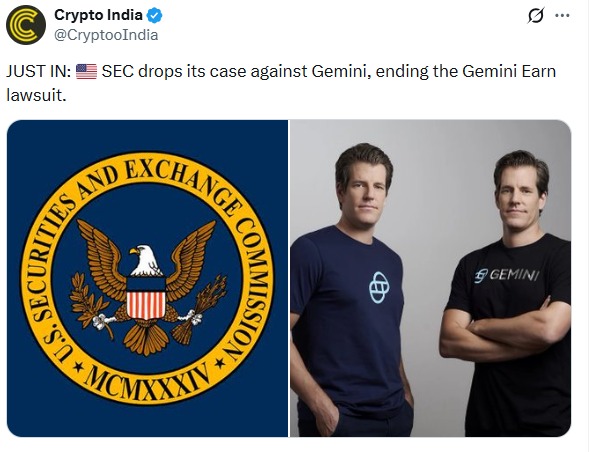
According to court filings submitted in Manhattan on January 23, 2026, the SEC and GEMI jointly agreed to dismiss the case with prejudice, meaning the regulator cannot refile the same claims in the future. The decision follows the 100% in-kind repayment of crypto assets to Gemini Earn investors through the Genesis Global Capital bankruptcy process between May and June 2024.
The dismissal marks the end of nearly three years of litigation and underscores how investor restitution is increasingly shaping outcomes in crypto enforcement actions.
Background: What Was the Gemini Earn Program?
The Gemini Earn program, launched in February 2021, allowed users to lend bitcoin and other cryptocurrencies to Genesis Global Capital in exchange for interest payments, with the trust company acting as the platform interface and earning fees of up to 4.29%.
Trouble emerged in November 2022, when Genesis froze withdrawals amid the broader crypto market crash triggered by the collapse of FTX. At the time, approximately $940 million in customer assets belonging to nearly 340,000 users were locked.
The SEC sued GEMI and Genesis in January 2023, alleging the program involved the sale of unregistered securities. GEMI denied the claims, arguing that Earn functioned as a lending product rather than an investment contract.
The Decision: Why the SEC Walked Away
The SEC dismisses GEMI Earn case primarily due to the "exercise of its discretion" following the 100% in-kind return of crypto assets to investors. Unlike other failed lending platforms that repaid users in devalued cash, the Gemini Earn recovery completed through the Genesis Global Capital bankruptcy in mid-2024 ensured that users received their original tokens back, capturing all market appreciation in the process.
The regulator noted that because investor harm was fully mitigated and the trust company had already settled with New York state authorities for $37 million, continuing the federal litigation was no longer "necessary or appropriate".
The Trump Administration Factor
This dismissal arrives as President Donald Trump’s "Crypto President" agenda moves into full gear. Under the leadership of SEC Chairman Paul Atkins, the agency has begun pivoting from aggressive litigation toward "Project Crypto" a new initiative focused on clear taxonomies and innovation exemptions rather than retroactive lawsuits. Industry observers view the GEMI dismissal as a "symbolic olive branch" from the new administration to major domestic exchanges.
Gemini’s Market Position: From Lawsuit to Nasdaq
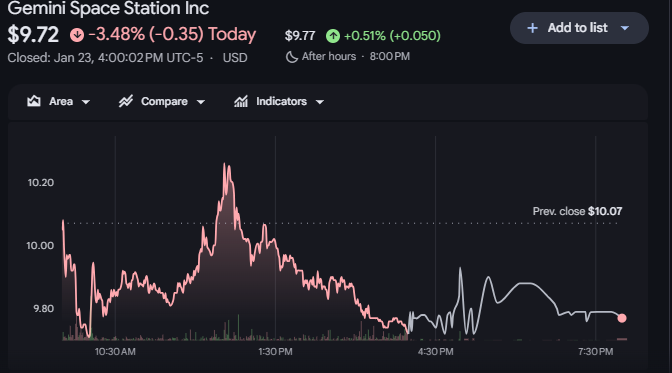
While the legal battle raged, GEMI successfully completed its initial public offering (IPO) in late 2025. Currently trading under the ticker GEMI, the exchange is valued at approximately $1.14 billion, reflecting strong institutional confidence in a post-lawsuit environment. Analysts from firms like Evercore ISI have issued "Strong Buy" ratings on GEMI, citing the removal of this legal "dark cloud" as a primary catalyst for growth in 2026.
Expert Opinion: The Death of the "Howey" Threat?
The SEC dismisses Gemini Earn case creates a powerful "De Facto Precedent." While the agency claims this doesn't signal a shift for other cases, it tacitly acknowledges that Restitution is a valid substitute for Litigation. In 2026, we are witnessing the birth of the "Compliance Era." Exchanges are no longer fighting for survival; they are competing for institutional dominance. This dismissal proves that under the new U.S. regime, fixing investor harm is the fastest path to regulatory peace.
