Japan ETF Sell-Off Signals Historic Pivot in BOJ Monetary Strategy

The Bank of Japan just fired a shot heard 'round the financial world—and it's unloading ETFs to do it.
From Buyer of Last Resort to Seller on the Street
For years, the BOJ's balance sheet ballooned as it gobbled up exchange-traded funds, propping up markets with a steady, government-backed bid. That era is over. The central bank is now a net seller, quietly offloading holdings in a move that rewrites its playbook. This isn't a tweak; it's a tectonic shift in how Japan manages—or stops managing—its stock market.
The Unspoken Message to Markets
The sell-off sends a clear, deliberate signal: the BOJ is done with extreme accommodation. It's stepping back from direct market intervention, forcing investors to stand on their own two feet without the promise of a central bank safety net. The liquidity spigot isn't just being turned down—it's being dismantled, pipe by pipe.
Why This Time Is Different
Past 'tapering' talk often fizzled into more stimulus. Not this time. The action is in the execution, not the announcement. By actively selling, the BOJ demonstrates a commitment to normalization that words alone could never convey. It's policy change by demonstrated action, trusting the market to read the trades.
A New Calculus for Global Investors
For decades, 'the BOJ put' was a foundational market assumption. That guarantee is now being voided. Global capital must reprice Japanese risk without that backstop, potentially triggering volatility as one of the world's largest and most consistent buyers exits the stage. Other central banks are watching—and taking notes.
The BOJ's great ETF unwind marks a definitive break from the post-crisis dogma of endless balance sheet expansion. It's a risky, necessary step toward policy normality, proving sometimes the most powerful statement a central bank can make is to simply stop buying. After all, what's a multi-trillion yen balance sheet between friends? Just another line item for the next generation of bureaucrats to explain away.

The BOJ plans to sell ETFs at an estimated pace of ¥330 billion ($2.1 billion) per year, ensuring that the exit does not create sudden pressure on Japanese financial markets. But at that pace, the full unwind WOULD take over 100 years, making it one of the slowest policy exits on record.
Why the Central Bank Is Selling ETFs
The BOJ started purchasing equity ETFs in 2010 to fight deflation and support economic growth. Over time, these purchases expanded significantly, making the central bank one of the largest shareholders in the country.
Currently, BOJ ETF holdings are estimated at around ¥60 trillion ($385–390 billion), equal to roughly 7% of the nation’s stock market. With inflation picking up and interest rates moving higher, the central bank is now shifting toward policy normalization, making the Japan ETFs sell off a necessary step.
Impact of the Unwind on Markets
Although the BOJ plans to sell ETFs slowly, the move could still create downward pressure on both traditional and crypto markets. Regional markets recently declined as investors pulled back from AI-related stocks and waited for weak economic data from China.
Japan’s Nikkei 225 fell 1.3%, while Topix slipped 0.27%, broader Asia-Pacific markets also weakened, reinforcing why BOJ officials are prioritizing stability during the Japan ETF sell off.
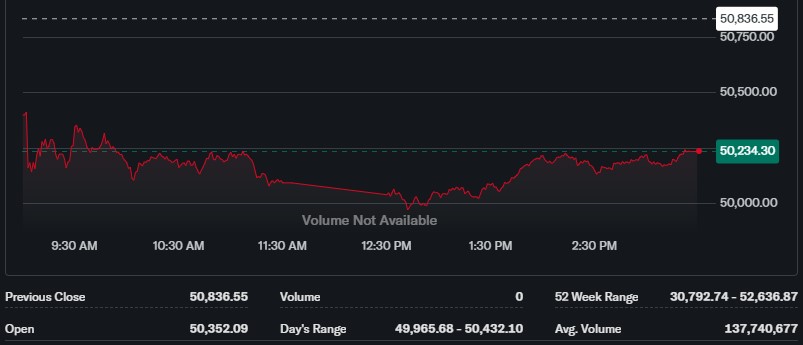
Along with that, the sell off could also influence global liquidity conditions. Reduced liquidity has historically weighed on risk assets, including cryptocurrencies. Past BOJ policy shifts have coincided with periods of Bitcoin price volatility, and analysts believe a prolonged exchange traded funds unwind could have a similar indirect effect.
Looking at the current market pattern, it’s currently showing a stable nature with the whole market slightly up 0.04% after a downturn earlier in day. The golden asset, Bitcoin, is hovering around $89.9-$90K (down 0.32%), where ethereum is up with 1.52% at $3,159.
At the same time, in contrast to that, tighter policy conditions could lead to a stronger Japanese yen, as reduced asset purchases often support currency appreciation. A trend already taking shape as the yen moved toward 155 per dollar, hitting a one-week high ahead of the Central Bank’s policy meeting.
Final Take
The Japan ETF sell off comes at a sensitive time, as markets are already preparing for the Bank of Japan to raise interest rates by 25 basis points to 0.75% at its upcoming policy meeting.
Together, the slow traded funds unwind and higher rates signal a clear shift toward policy normalization. While the central monetary institute is moving carefully to avoid disruption.
So, let's how these combined steps affect Japanese equities, the yen, and global liquidity in the months ahead.
