U.S. Banking Regulator Unleashes Banks to Dive into Cryptocurrency

Federal watchdogs just handed traditional finance the keys to the digital vault—and the move could reshape the entire financial landscape.
The Green Light for Mainstream Crypto
For years, banks watched from the sidelines as digital assets exploded. Regulatory uncertainty kept them chained to legacy systems. That era is over. A major U.S. banking regulator has issued clear guidance, effectively authorizing federally chartered banks to engage in a wide range of cryptocurrency activities. We're talking custody, trading facilitation, and even holding certain assets on their balance sheets. The gate is officially open.
Why This Changes Everything
This isn't just permission; it's a mandate to compete. The guidance provides the legal scaffolding banks desperately needed. It outlines permissible activities and, crucially, the risk management expectations. Expect a land grab as major institutions scramble to build or buy crypto infrastructure. The move legitimizes the asset class for millions of skeptical customers who only trust their local branch—not some offshore exchange. Liquidity floods in, volatility could dampen, and the innovation pace will accelerate wildly.
The Fine Print and The Fight Ahead
Don't mistake clarity for a free pass. The guidance sets high bars for compliance, cybersecurity, and consumer protection. Banks must prove they understand the tech before diving in. Meanwhile, the decentralized finance (DeFi) purists are already groaning—this is the very institutional capture they feared. Yet, for the average investor, the safety net of FDIC-insured entities dealing in crypto is a revolutionary comfort. It pulls digital assets from the wild west into the regulated marketplace, complete with all the paperwork and profit motives that entails—a necessary evil for mass adoption, or the soul-sucking corporatization of a revolution, depending on whom you ask.
The final take? Wall Street just got its crypto trading license. The race to bridge trillions in traditional capital with blockchain networks is on. The regulator didn't just open a door; it ignited a fuse. Watch the old giants move fast, or get left behind holding bags of… well, whatever it is they currently consider 'safe' assets. Sometimes, progress looks a lot like the very system you aimed to disrupt finally deciding it wants a piece of the action—cynicism included at no extra charge.

Summarize the content using AI

ChatGPT

Grok
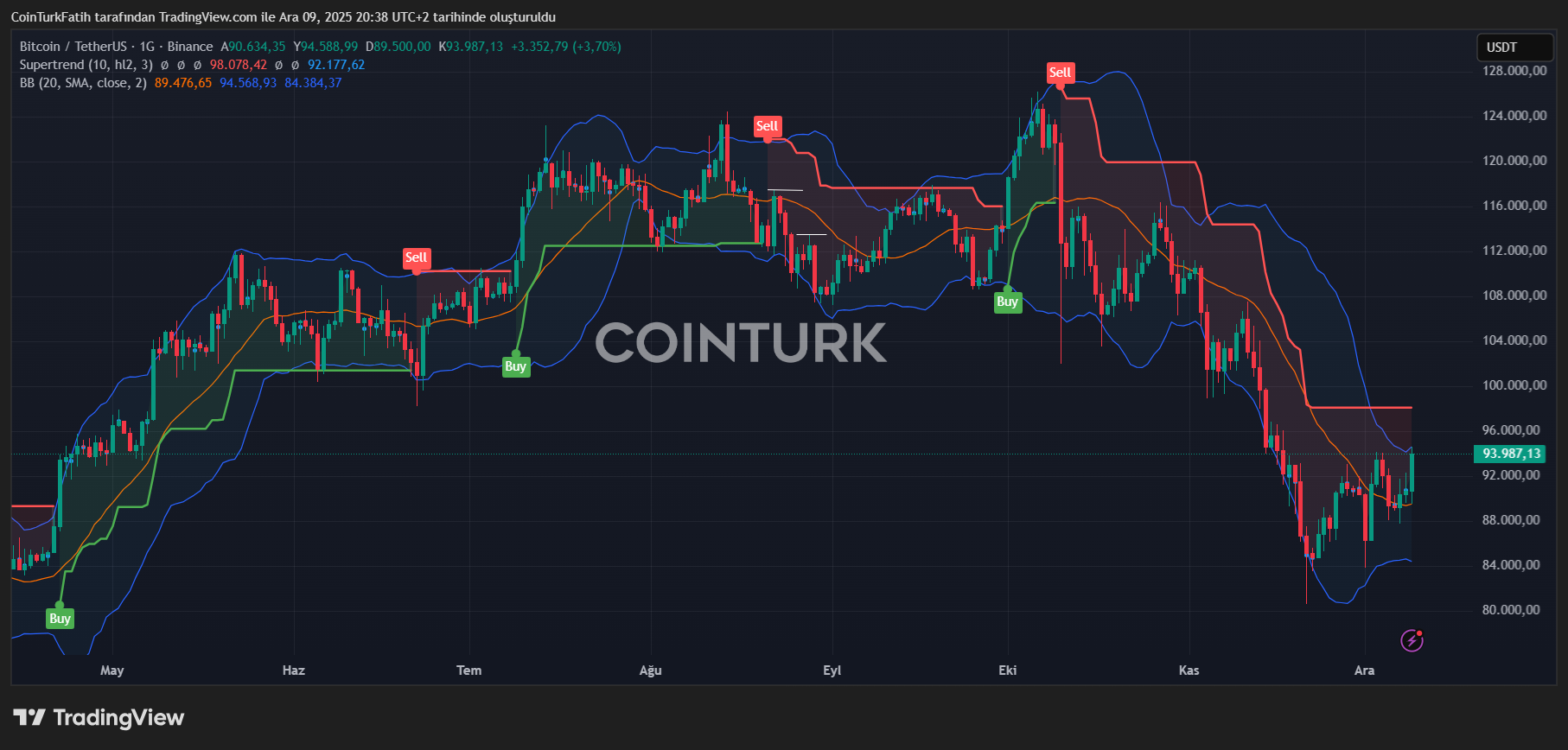
Bitcoin $90,610 is maintaining a stable position at $94,000, levels not seen in a long time. Recently, a significant development has occurred that could further institutional adoption of cryptocurrencies. The U.S. banking regulator has published a new guideline encouraging the nation’s banks to boldly enter the cryptocurrency business. This move represents a substantial step towards more widespread institutional acceptance of digital currencies.
Latest Developments in Cryptocurrency
The Office of the Comptroller of the Currency (OCC) is a federal entity responsible for the implementation and authorization of laws concerning national banks. As such, the steps it takes regarding cryptocurrencies have a pronounced impact. The latest announcement grants banks the authority to act as intermediaries in cryptocurrency transactions. The newly released guideline is expected to embolden banks to venture into the crypto sphere.

The recent development allows banks to serve as legal intermediaries in transactions between customers and entities like cryptocurrency exchanges through new integrations. Since TRUMP assumed office, there have been numerous changes benefitting cryptocurrencies, countering the prior Biden administration’s policies implemented by financial regulatory bodies like the OCC, which were unfavorable towards digital currencies. In March, the OCC approved certain crypto activities, overturning an earlier “threatening” guideline that required prior approval for entering cryptocurrency activities. These are among the positive shifts introduced during Trump’s administration.
In conclusion, the OCC’s recent guidelines grant banks a more involved role in the cryptocurrency domain. This positions them to facilitate and perhaps innovate in the digital currency space by providing intermediary services. The changes stand as a testament to the progressive shift in regulatory stance towards cryptocurrencies within traditional financial frameworks, marking a pivotal moment for banks previously reluctant to engage with digital assets.
This development has the potential to reshape the banking landscape by integrating crypto transactions into mainstream banking services. As banks leverage these new permissions, we may see a Ripple effect, encouraging broader acceptance and development of crypto-friendly financial environments.
By empowering banks to engage actively with cryptocurrencies, regulators are paving the way for innovation and evolution in banking, aligning financial services with emerging digital trends. The implications of these guidelines could be profound, influencing not only banking operations but also the broader financial market’s relationship with cryptocurrencies.
As this integration develops, it will likely spur further dialogue on how best to accommodate the rapidly evolving world of digital currencies within established financial systems, ensuring both regulatory compliance and market dynamism.
You can follow our news on Telegram, Facebook, Twitter & Coinmarketcap Disclaimer: The information contained in this article does not constitute investment advice. Investors should be aware that cryptocurrencies carry high volatility and therefore risk, and should conduct their own research.