UK High Court Drama: Wife Allegedly Uses CCTV to Steal $176 Million Bitcoin in Domestic Heist

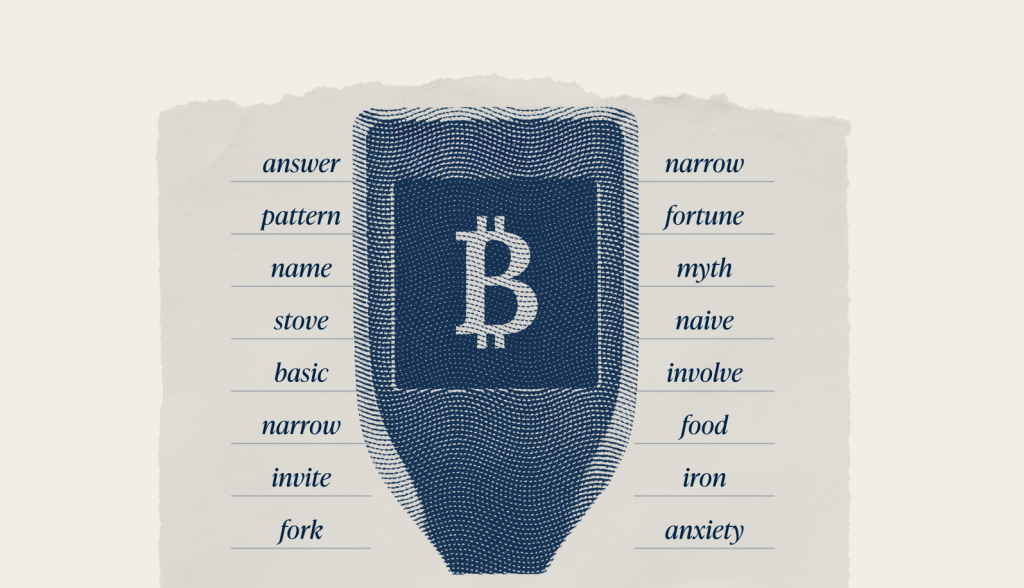
A UK High Court battle has erupted over an alleged $176 million Bitcoin heist within a marital home, spotlighting critical security vulnerabilities in crypto self-custody. Ping Fai Yuen claims his estranged wife, Fun Yung Li, covertly captured the 24-word seed phrase to his hardware wallet via CCTV, draining funds now valued at nearly a quarter-billion dollars. The case serves as a stark warning to all digital asset holders: physical security of recovery phrases is paramount, as this domestic dispute reveals how a single breach can trigger catastrophic financial loss.
Bitcoin Split Across 71 Wallets In Alleged $176M Transfer Scheme
According to court filings, the Bitcoin was moved into 71 separate wallet addresses shortly after the alleged access took place. The claimant, Yuen, believes the transfer was deliberate and designed to spread the funds in a way that would make tracing and recovery harder.
He also told the court that recording devices had been set up inside the home, initially over concerns raised by a child. Audio gathered from those devices is said to include conversations involving Li about moving money without triggering alerts from banks or authorities.
Police later searched properties connected to Li and seized several items, including cold wallets and high-value watches. She was arrested and released on bail while inquiries were carried out. Investigators have since indicated that no further action will be taken unless new evidence surfaces.
Judge Sees Strong Chance Of Success
The High Court has signaled that the case may move quickly. A judge reviewing the material said the claimant appears to have a strong case and suggested an expedited trial due to the size of the assets and the risks tied to their security.
An application has been made to freeze assets believed to be linked to the defendant and her sister. The goal is to prevent any movement while the dispute is still being decided. The court reviewed transcripts and materials gathered during searches when considering the strength of the claim.
Another issue that concerned the judge was how easily digital assets could be transferred between jurisdictions, which could pose a problem if the case is not settled quickly.
This case is also attracting attention because of the legal issues that have been raised. Experts say that this case could put to the test how conventional laws governing property apply to cryptocurrencies, especially when recovering assets that exist only virtually.
One of the issues being discussed is whether conventional legal remedies available for stolen property can apply to Bitcoin. Early indications suggest that some of those routes may not fit neatly with digital assets.
Parts of the claim have already been narrowed as the court examines which arguments can proceed. That process is expected to shape how similar cases are handled in the future.
Featured image from Secureye, chart from TradingView
