Denmark’s Banking Giant Dives Into Bitcoin & Ethereum ETPs—With Stark ’High Risk’ Warning

A seismic shift just hit Scandinavian finance. Denmark's largest bank is now offering clients exposure to Bitcoin and Ethereum Exchange-Traded Products (ETPs), a move that cracks open the door for mainstream capital but comes wrapped in regulatory red tape.
The Institutional On-Ramp Opens
Forget obscure crypto exchanges. This isn't about buying coins directly. The bank is providing access to regulated ETPs—financial instruments that track the price of the underlying assets. It's a cleaner, more familiar path for traditional portfolios to gain crypto exposure without the technical headaches of self-custody.
The Fine Print Screams Caution
Don't mistake access for endorsement. The bank's announcement was plastered with 'high risk' warnings, likely mandated by watchdogs like Denmark's FSA. Volatility, regulatory uncertainty, and the nascent nature of the asset class get top billing. It's the financial equivalent of handing you the keys to a sports car while loudly reading the crash statistics.
Why This Move Matters Now
This isn't a fringe experiment. When a nation's premier financial institution takes this step, it signals a grudging acceptance of digital assets as a legitimate, if unruly, asset class. It pressures competitors to follow suit or risk losing clients. The dam is leaking, not breaking—but the water's flowing.
The Cynical Take
Let's be real: banks have spent a decade dismissing crypto as a scam. Now they see a new revenue stream—management fees on volatile products they can label 'high risk.' It's a masterclass in having your cake and charging a fee for every slice.
The bottom line? The gates are opening, but they're handing out helmets at the entrance. Mainstream crypto access just got real, complete with all the warnings and waivers of modern finance.
Danske Bank Now Offers Bitcoin & Ethereum ETPs
As announced in a press release, Danske Bank’s customers can now invest in some exchange-traded products (ETPs) tracking the two largest cryptocurrencies: bitcoin and Ethereum.
The bank said that the new option is a response to increasing user demand for digital assets and improved regulation related to the sector. Kerstin Lysholm, head of investment products & offering at Danske Bank, noted:
As cryptocurrencies have become a more common asset class, we are receiving an increasing number of enquiries from customers wanting the option of investing in cryptocurrencies as part of their investment portfolio.
Headquartered in Copenhagen, Danske Bank is the largest bank in Denmark with 3.75 trillion DKK (around $596 billion) in assets. Previously, the bank took a stalwart stance against offering cryptocurrency trading, but the latest MOVE suggests it’s finally opening up to the market.
Though, Danske Bank still doesn’t offer advisory services for digital assets, labelling them as “opportunistic investments” rather than part of a long-term portfolio strategy. The addition of the new Bitcoin and Ethereum investment option is geared at investors who use the firm’s trading platform without receiving any investment advice, the bank said.
Investors using the option will gain exposure to the cryptocurrencies not by direct holding, but via ETPs, investment vehicles that allow for indirect exposure. This means that traders won’t have to engage with blockchain components like wallets and exchanges.
Lysholm emphasized that access to digital asset ETPs on the company’s trading platform shouldn’t be taken as a recommendation of cryptocurrencies from Danske Bank. The bank warned that the asset class involves “high risk” and may result in large losses.
The move to allow Bitcoin and Ethereum ETPs isn’t the only one related to the cryptocurrency sector that Danske Bank has made recently. In September, the bank joined hands with eight other major European banks to develop a shared euro-pegged stablecoin.
Stablecoins are cryptocurrencies that have their price pegged to a fiat currency. Currently, the space is heavily dominated by the USD-based tokens, and the consortium of Danske Bank and other European banks plans to challenge this hegemony.
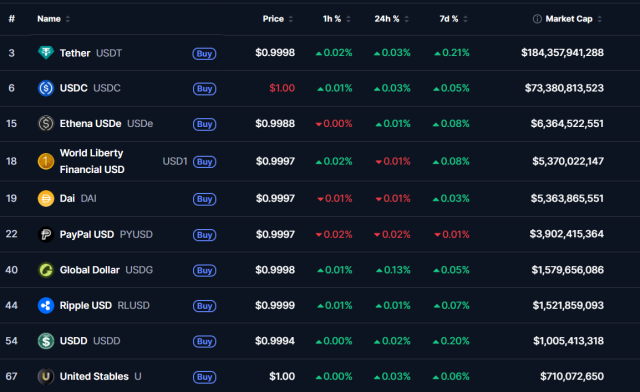
Since the initial announcement, the consortium has gradually added more members, now involving a total of twelve European financial institutions. The banks have set up a company called Qivalis in Amsterdam to handle the issuance of the stablecoin.
While the exact launch date of the token is unknown, the consortium has said it aims to make a commercial release in the second half of 2026.
BTC Price
At the time of writing, Bitcoin is floating around $66,700, down more than 8% in the last seven days.
