US Treasury’s Crypto Ultimatum: Hate Our Rules? El Salvador’s Waiting

The US Treasury just drew a line in the sand for Wall Street's crypto ambitions. Their message? Adapt or relocate.
The Regulatory Fork in the Road
While Washington debates frameworks, El Salvador keeps building. The nation that made Bitcoin legal tender now offers what many financiers crave: clarity. No endless committee hearings, no regulatory whiplash—just a green light for innovation. It's a stark contrast to the US's cautious, often contradictory, approach.
Capital's New Migration Pattern
Money flows where it's treated best. When traditional hubs create friction, capital finds a bypass. We're witnessing a quiet exodus of talent and treasury toward jurisdictions with definitive crypto statutes. It's not about evading rules; it's about seeking ones that make sense for a 24/7 digital asset market. The old guard's 'move slow and break nothing' mantra is clashing with an industry that moves at blockchain speed.
The Sovereignty Play
Nation-states are now competitors in the financial infrastructure game. By offering a coherent digital asset regime, smaller countries can attract disproportionate investment and tech brainpower. It's a brutal reminder that in global finance, sovereignty is the ultimate competitive advantage—and it's for sale to the highest-bidding ideas.
The Bottom Line
The Treasury's stance creates a fascinating market experiment. Will Wall Street firms tolerate regulatory ambiguity for proximity to the dollar's home, or will they chase regulatory certainty abroad? One thing's clear: the era of begging for permission is giving way to an era of shopping for jurisdiction. After all, why lobby a committee for years when you can just… move? Sometimes the most bullish move in finance isn't buying an asset—it's buying a new address.
Bessent’s Warning To Industry
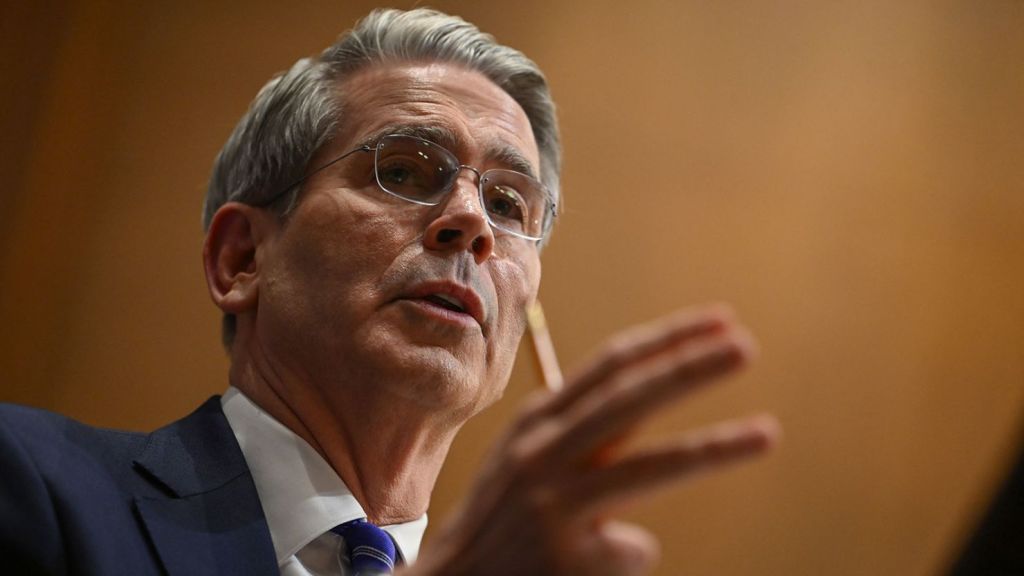
Based on reports, Bessent called out what he described as a “nihilist” wing of crypto that WOULD rather scuttle compromise than accept a legal framework.
His remarks came as senators debated the Digital Asset Market Clarity Act, a bill meant to spell out how digital assets fit into existing banking and securities rules.
The episode followed recent moves by major players — including a high-profile platform stepping back from support for the bill — which lawmakers say complicates chances for a quick fix.
Lawmakers And Lobbyists Take Sides
The hearing did not stay polite for long. Voices rose. Accusations flew. Some senators warned that unchecked stablecoin products could pull deposits out of banks, while crypto advocates argued that heavy-handed rules would stifle innovation.
Bessent suggested that if firms prefer places with looser oversight they can seek them out, naming El Salvador as an example. That rhetorical nudge is more than a talking point — it’s a signal about market access: do business under US guardrails, or accept limits on participation.
Reports note that El Salvador’s crypto stance has shifted since it became the first country to make bitcoin legal tender. Lawmakers there approved changes to make Bitcoin acceptance voluntary as part of an IMF-backed deal last year.
The move reduced the mandatory use of Bitcoin while the government said it would still hold and, on occasion, add to its reserves. Those choices mean El Salvador is not a simple “no rules” refuge, even if it appears friendlier to some crypto actors than the US.
Markets And MessagingTraders watch words like these. Markets respond to certainty, and clarity tends to calm them. When policymakers argue publicly, volatility can spike.
At the same time, a clear path for regulation would let banks plan products and let crypto firms design services that can be sold widely, not just in select jurisdictions.
Some industry executives are lobbying for carve-outs; others want full regulatory recognition. The tension is real and it will shape who stays and who sails elsewhere.
Featured image from Unsplash, chart from TradingView
