OpenSea Insider Trading Case Closes Without Retrial – What It Means for NFT Regulation

Justice served—or justice sidestepped? The landmark OpenSea insider trading prosecution has officially ended, with no retrial in sight. The case that once threatened to define NFT market regulation now fades into legal history, leaving more questions than answers.
The Quiet Closure
Prosecutors dropped the hammer—then walked away. After a conviction was overturned on appeal, the Department of Justice chose not to pursue a second trial. The legal chapter closes, but the precedent remains murky. Insider trading in digital assets still lives in a gray zone, untested by higher courts.
Regulation's Moving Target
Watchdogs are scrambling. The SEC views certain NFTs as securities; the DOJ just lost a key case. Meanwhile, traders exploit the ambiguity—buying whispers, selling news, and calling it market savvy. It's the Wild West with blockchain receipts, where the sheriff's badge doesn't always stick.
Market Reaction: A Collective Shrug
No crash, no rally—just business as usual. Trading volumes barely flinched. The industry absorbed the legal whiplash and kept minting. Turns out, when your asset class is built on decentralized ideals, centralized court rulings feel… optional. Another win for 'code is law' purists, another headache for compliance officers.
The New Normal
Get used to the fog. Clear rules won't arrive via lawsuit—they'll emerge from surviving the legal hailstorm. Platforms now self-police, communities self-regulate, and everyone watches the next enforcement target. It's regulatory arbitrage at digital speed, where the only certainty is another lawsuit around the corner.
So the case ends not with a verdict, but with a vacuum. The DOJ blinked, the market didn't, and the rules remain unwritten. For crypto's professional class, that's not a bug—it's a feature. After all, what's finance without a little legal uncertainty to keep the margins fat?
What Prosecutors Decided
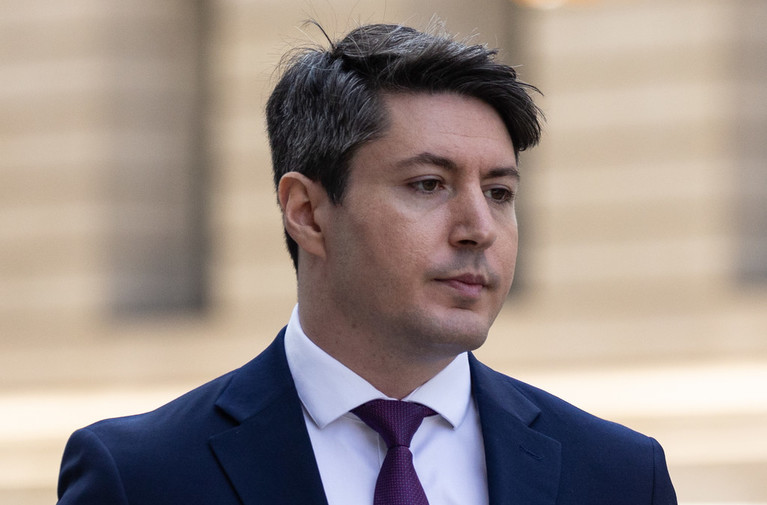
Prosecutors told a Manhattan federal court they WOULD not retry Chastain following an appeals court ruling that tossed his earlier conviction.
Under the deferred prosecution deal, the government will dismiss the case about a month after notifying the court, and Chastain has agreed to forfeit roughly 15.98 ETH tied to the trades. He has already served three months in prison from his original sentence.
How The Appeals Court Changed The Case
According to the US Court of Appeals for the Second Circuit, the jury in the first trial had been given the wrong instructions about what the wire fraud law covers.
The judges said confidential information only counts as property under the statute when it has commercial value to the employer, and jurors might otherwise convict someone for behavior that is unethical but not criminal. That legal point is at the heart of the reversal.
Reports note that prosecutors had called the matter the first-ever insider trading case tied to NFTs. Now, lower courts and enforcement teams will have to think carefully before using traditional fraud laws to police activity in NFT markets.
The ruling highlights a gap between old statutes and new kinds of online goods, which may push lawmakers to give clearer rules for how to treat confidential business signals related to crypto platforms.
Chastain was first charged in mid-2022 after prosecutors said he bought certain NFTs before they were featured on OpenSea’s homepage, then sold them after prices rose.
He was convicted at trial in 2023 of wire fraud and money laundering and received a sentence that included three months behind bars. The US Attorney’s Office originally described the scheme as a novel use of insider knowledge in digital markets.
With the deferred prosecution agreement in place for OpenSea, prosecutors can close this chapter without a new trial.
Chastain’s forfeiture of crypto assets and his already served time mean the government has secured some remedy, while the appellate decision leaves open big questions about when private business information can be treated as property for federal fraud charges.
Legal teams, judges, and regulators are likely to keep a close eye on how similar cases are handled in the future.
Featured image from Getty Images, chart from TradingView
