Venezuela’s Currency Crisis Fuels Explosive Stablecoin Adoption — New Research Reveals

When the bolívar tanks, Venezuelans don't just watch their savings evaporate—they pivot to digital dollars.
Research confirms what the streets of Caracas already know: hyperinflation and capital controls have turned stablecoins from a niche crypto experiment into a mainstream financial lifeline. Citizens are swapping crumbling local currency for USDT and USDC at record rates, creating parallel economies that operate outside government oversight.
The On-Ramp Nobody Planned
This isn't speculative crypto-mania—it's pure utility. Stablecoins offer a predictable store of value when the national currency loses meaning by the hour. Peer-to-peer networks bypass broken banking systems, allowing families to receive remittances, pay for imports, and preserve purchasing power. The state's failure to provide monetary stability built the perfect adoption engine.
A Blueprint for Broken Economies
Venezuela's experience provides a grim case study in forced financial innovation. When traditional systems collapse, decentralized alternatives don't just compete—they become essential infrastructure. Other nations facing similar pressures are watching closely, though their central bankers would never admit it publicly.
The trend exposes a brutal truth: sometimes the most powerful financial adoption tool isn't a slick marketing campaign, but a central bank that destroys its own currency. Citizens will find stability wherever they can—even if it means building their own monetary system from blockchain fragments.
Why The Shift Is Accelerating
Based on reports from exchanges and on-chain firms, inflation has been estimated in the 100s–200s% range year-on-year in 2025. Prices rise fast under those conditions.
Wages lose value within days, sometimes hours. To avoid that loss, workers, freelancers and small shops are turning to stablecoins tied to the US dollar, which hold value better than the local currency.
Stablecoins As Daily Money
USDT is now being used for groceries, rent and even salaries in several cities. Peer-to-peer platforms and small crypto desks help users swap between bolívars and stablecoins without relying on traditional banks.
In some neighborhoods, merchants accept stablecoins directly, cutting out currency exchange altogether. Payments that once required cash Stacks or quick conversions are now handled through mobile wallets.
Blockchain analytics firms tracking activity across Latin America have reported a sharp rise in stablecoin volumes during 2024 and 2025.
TRM Labs and similar groups point to higher transaction counts and more active wallets linked to dollar-backed tokens. These increases match what residents describe on the ground. Crypto is not just held. It is being spent, saved and passed along as money.
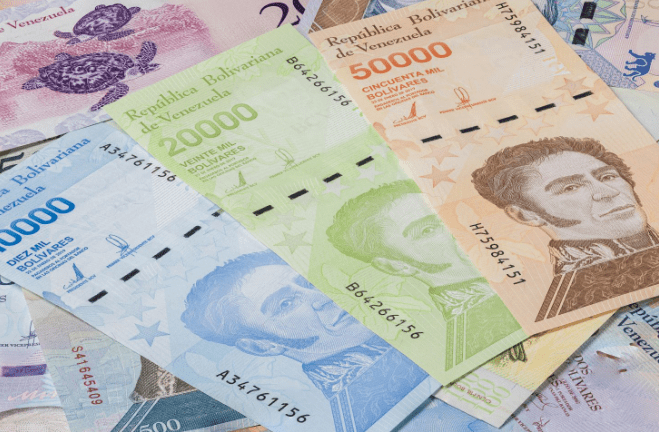
Many Venezuelans receive remittances from abroad and convert them into USDT before bringing value back home. Others sell goods or services and ask to be paid in stablecoins to avoid sudden losses.
Conversion usually happens through messaging apps, local brokers or P2P platforms. The process is simple, but it depends heavily on trust and access to liquidity.
Government Reaction And Market RisksAuthorities have responded in mixed ways. Some unofficial dollar markets have been targeted, while limited crypto-based currency conversions have been allowed in certain cases.
Reports have also linked state-owned firms to crypto use for accessing foreign funds. At the same time, sudden rule changes remain a risk. Crackdowns, new compliance demands or exchange restrictions can disrupt access overnight.
Featured image from Pexels, chart from TradingView
