Is Tuardin Crypto Legit or a Scam? Risk Analysis for Beginners


This article provides a fact-based review of Tuardin crypto, examining its claims, independent trust signals, and common risk indicators. It also explains how beginners typically approach crypto trading more cautiously, using established platforms before engaging with unverified tokens.

What Is Tuardin Crypto?
Tuardin is a new crypto coin that says it can be used with AI and blockchain. Public data doesn’t demonstrate much openness, there aren’t many large exchange listings, and they rely on promotional sources instead of independent verification.
On smaller crypto listing sites, Tuardin is sometimes called a “next-generation,” “AI-driven,” or “community powered” token with minimal market visibility. These descriptions, on the other hand, mostly come from project-controlled or promotional literature, not from established exchanges or audits done by third parties.
It’s crucial for newcomers to know that marketing jargon doesn’t mean validation. Legitimate crypto initiatives usually show verifiable listings, open teams, or audited smart contracts right away.
Independent Trust Signals and Risk Indicators
External trust analysis tools suggest that Tuardin’s website has a very low trust score, new domain data, and disguised ownership. These are all red flags for high-risk crypto platforms.
Independent venues for finding scams say:
•Trust scores for websites are quite low
• Short history of the domain
• Ownership information that is hidden or can’t be verified
Also, people in the crypto world often tell others not to transmit money directly to Tuardin-related addresses. This doesn’t legally prove fraud, but risk accumulation is important—multiple red flags make loss much more likely.
Why Some Traders Still Look at Projects Like Tuardin
Even though there are warning signs, people still seem to be interested in early-stage tokens. This kind of conduct is frequently caused by:
•Short-term traders looking for price swings
• Narrative traders who monitor trends in AI or Web3
• New investors who are swayed by social media buzz
Most of the time, these participants only provide tiny sums or leave immediately. Long-term investors and institutions usually stay away from assets that aren’t liquid, don’t have audits, or don’t have clear governance.
Knowing who is involved helps us understand why there is attention, but just having attention doesn’t make something legitimate.
How Beginners Can Evaluate Crypto Legitimacy Properly
Before contributing money to any crypto project, beginners should look at the exchange listings, audit reports, domain age, clear teams, and independent reviews.
A list of things to check for a realistic evaluation:
1. Is the token available on major exchanges?
2. Is there a real audit of the smart contract?
3. Can anyone see who the team is?
4. Is there liquidity outside of the project website?
5. Do autonomous platforms raise trust issues?
If a lot of answers are “no,” it’s usually best not to take part.
A Practical Alternative for Beginners in High-Risk Markets
Many traders start with well-known trading platforms instead of early-stage tokens because they want to see how crypto prices change without putting money to unconfirmed project websites.
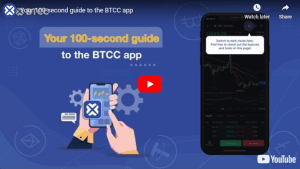
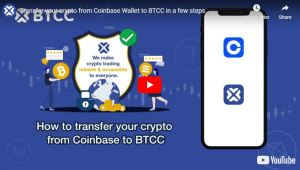
BTCC, which started in 2011, gives you access to major crypto marketplaces with clear prices and conventional risk tools.
Users can learn about execution, volatility, and position sizing without being too exposed by starting with a $200 deposit.
/ You can claim a welcome reward of up to 30,000 USDT🎁\
Why Many New Traders Start With Smaller Capital
A lot of rookie traders start with $200 so they may learn about real market circumstances without losing too much money.
$200 is widely used in trading education since it:
•Stops making decisions based on feelings
• Lets you really do the order execution
•Makes it possible to measure risk control
• Lessens the need to pursue losses
This method shows how many short-term traders and hedgers are careful when they enter markets instead of putting a lot of money in right away.
How Traders Use BTCC Instead of High-Risk Tokens
Many users favor platforms like BTCC over financing unverified tokens because:
•Assets are plainly shown
•Orders are carried out through centralized matching
•The rules for margins and liquidation are clear
•Money is not delivered to wallets that are not known
For beginners focused on learning market mechanics, this structure is often considered a lower-risk entry point compared to presale-style projects.
Conclusion
Starting with well-known crypto markets and controlled position sizes allows new traders to build experience before engaging with higher-risk opportunities.