Where and How to Buy United Account Trust Fund (UATF) in 2026?
 Written by Fiona FLast updated:
 Cryptocurrency markets continue to attract traders looking for early-stage opportunities, niche narratives, and assets with unique market positioning. Among the projects gaining attention from speculative traders and emerging-token investors is United Account Trust Fund (UATF).
Interest in UATF has increased as more investors search for alternative assets outside the largest cryptocurrencies. Some participants view it as a short-term trading opportunity, while others see potential in future ecosystem growth if adoption expands.
This guide explains where to buy UATF in 2026, how the buying process works, what traders should evaluate before entering a position, and why market participants are currently paying attention to the token. Whether you’re completely new to crypto or looking to diversify beyond Bitcoin and Ethereum, you’ll find a practical step-by-step walkthrough below.

Key Takeaways
-
UATF (United Account Trust Fund) is a micro-cap speculative token primarily deployed on the Solana blockchain (SPL standard), carrying ultra-low liquidity and high price volatility.
-
As of August 2026, UATF is not listed on major Tier-1 centralized exchanges (CEXs) like BTCC or Coinbase CEX, and must be accessed via decentralized exchanges (DEXs) like Raydium or Jupiter.
-
To trade UATF safely, investors should first onboard fiat through a secure, regulated CEX like BTCC to purchase liquid base assets (SOL/USDT) before transferring funds to a Web3 wallet.
-
Before executing any transaction, traders must verify the official contract address on Solscan/DexScreener to avoid fake clone tokens and check liquidity pool depth.
Direct Answer: How to Buy UATF & Where Is It Traded?
As of August 2026, United Account Trust Fund (UATF) is a micro-cap cryptocurrency traded exclusively on Solana-based decentralized exchanges (DEXs) such as Raydium and Jupiter. Because UATF is not directly listed on major centralized exchanges (CEXs) like BTCC, investors cannot buy it directly with fiat or credit cards on a CEX.
The safest purchasing path requires a 3-step workflow:
1) Purchase base assets like SOL or USDT using low-fee fiat gateways on a secure platform such as BTCC;
2) Withdraw the base assets to a non-custodial Web3 wallet (e.g., Phantom or Solflare);
3) Connect to a Solana DEX aggregator, verify the exact token contract address, and swap SOL for UATF. Before trading, investors must verify three critical data points: official listing status, liquidity pool depth (to prevent high slippage), and smart contract mint/freeze authorities. UATF is suitable only for experienced, high-risk speculative traders familiar with DEX mechanics, and is strictly NOT suitable for beginners or conservative investors.
What Is United Account Trust Fund (UATF)?
United Account Trust Fund (UATF) is a cryptocurrency project that has garnered some interest from traders looking for exposure to smaller-cap digital assets. Like many new coins, it is subject to the whims of market sentiment, liquidity, community engagement, and general crypto market conditions.
As of August 2026, market data confirms that UATF operates primarily as an SPL token on the Solana blockchain. It represents an emerging, community-focused micro-cap asset with a total supply capped at 1 billion tokens. Smaller coins tend to be far more volatile than established assets that already have institutional backing. That brings opportunities and threats. Traders who trade on narratives will often watch projects like UATF as price action can occasionally lead bigger coins during active market cycles
Before buying UATF, investors must carefully analyze the token’s technical metrics:
UATF Key Market & Network Data (As of August 2026)
| Metric / Attribute | Verified Market Data |
| Token Name & Ticker | United Account Trust Fund (UATF) |
| Blockchain Network | Solana (SPL Token Standard) |
| Total / Circulating Supply | 1,000,000,000 UATF |
| Primary Trading Venues | Solana DEXs (Raydium, Jupiter) |
| Tier-1 CEX Availability | Not listed on BTCC / Coinbase CEX (DEX execution only) |
Why Are Traders Buying UATF in 2026?
Reasons for purchasing UATF may differ based on trading strategy and risk tolerance.
Short-term traders tend to search for volatility, liquidity events and momentum possibilities. Narrative-driven investors might buy in as developing sectors start to garner attention within crypto communities.
Market activity in 2026 has also been helped by greater retail engagement, better trading infrastructure, and quicker access to global crypto exchanges.
Specific market drivers fueling interest in micro-cap tokens like UATF include:
-
Micro-Cap Asymmetric Volatility: Traders seek low-market-cap assets where small liquidity inflows can produce rapid short-term price movements.
-
Solana Ecosystem Liquidity Momentum: The high speed and near-zero gas fees of the Solana network have driven retail traders toward DEX-based meme and community tokens.
-
Decentralized Trading Accessibility: DEX aggregators like Jupiter allow instant token swaps directly from self-custodial wallets without undergoing exchange listing delays.
As always, bigger potential rewards generally come with vastly higher risk, so position sizing and strict risk management are crucial.
Where Can You Buy UATF?
The first step is verifying whether UATF is listed on reputable cryptocurrency exchanges. Token availability can change over time, so checking current listings through trusted market data platforms remains important.
Many traders begin by reviewing CoinMarketCap’s Markets section or CoinGecko’s Exchange Listings page to identify supported trading pairs and available liquidity.
When selecting an exchange, investors typically evaluate:
-
Security history: Platform track record and asset protection standards.
-
Liquidity depth: Adequate trading volume to prevent high slippage during execution.
-
Fee structures: Transparent trading and withdrawal fees.
-
Fiat gateways: Secure and cost-effective methods for depositing local currency.
-
Regulatory compliance: Verification standards aligned with local rules.
For traders who actively manage positions across multiple assets, using a platform that offers spot and derivatives products within a single account can simplify portfolio management and execution.
How to Buy United Account Trust Fund (UATF): Step-by-Step Guide
Buying UATF follows a structured process requiring a secure CEX funding gateway and a Solana Web3 wallet.
Step 1: Onboard Fiat & Buy Base Assets on BTCC
Begin by creating an account on a secure, regulated exchange like [BTCC]. Complete identity verification (KYC) and deposit local fiat currency via bank transfer or card. Use BTCC’s high-liquidity spot market to purchase liquid base assets such as Solana (SOL) or Tether (USDT).
Step 2: Set Up a Non-Custodial Solana Wallet
Download a verified Web3 wallet compatible with the Solana network, such as Phantom or Solflare. Securely back up your 12- or 24-word recovery seed phrase offline.
Step 3: Transfer SOL/USDT to Your Web3 Wallet
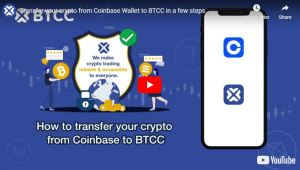
Copy your public Solana wallet address from Phantom/Solflare. Go to your BTCC withdrawal section, select SOL or USDT (Solana SPL network), paste your wallet address, and finalize the transfer.
Step 4: Verify the Official UATF Contract Address
To avoid falling victim to malicious honeypot tokens, navigate to DexScreener or Solscan and copy the exact verified contract address . Never search for token names manually on social media or DEX search bars.
Step 5: Execute the Swap on a DEX Aggregator
Connect your Web3 wallet to Jupiter or Raydium. Select SOL or USDT as the payment token and paste the verified UATF contract address into the receive field. Adjust your slippage parameters (1%–3% depending on pool depth) and confirm the on-chain swap.
Essential Risk Checklist Before Trading UATF
Potential UATF investors must understand the primary dangers associated with micro-cap digital assets.
1. Liquidity & Slippage Risk: Micro-caps often suffer from thin liquidity pools, leading to catastrophic price slippage when executing sell orders.
Actionable Advice: Always check total pool liquidity on DexScreener and avoid using large market orders; execute test trades with small amounts first.
2. Extreme Price Volatility Risk: Unestablished tokens can experience 50%+ price drawdowns within hours due to whale dumps or narrative decay.
Actionable Advice: Limit micro-cap exposure to a small fraction of your disposable speculative capital.
3. Smart Contract & Honeypot Risk: Malicious developers frequently launch clone tokens with sell-tax traps or unrevoked minting privileges.
Actionable Advice: Verify contract safety tools (e.g., RugCheck.xyz) to ensure mint authority is revoked and liquidity pool LP tokens are burned.
4. Counterparty & Fake Token Risk: Scammers deploy identically named tokens on social media channels.
Actionable Advice: Cross-reference contract addresses strictly across multiple verified block explorers before swapping.
5. Exchange Delisting & Abandonment Risk: Micro-caps carry high project failure rates, where development stalls and DEX liquidity dries up completely.
Actionable Advice: Never hold speculative micro-cap assets as long-term core savings.
Why Experienced Traders Use BTCC as Their Core Funding Hub
Experienced investors rarely use their primary fiat capital to jump into low-cap altcoins directly on untested DEXs or lesser-known exchanges. Micro-cap tokens listed on secondary exchanges typically lack cheap fiat-to-crypto gateways, exposing users to high credit card processing fees (often 3%–5%) or unverified P2P networks.
BTCC Capabilities Clarification:
-
What BTCC Does: Provides institutional-grade security (operating continuously since 2011 without security breaches), ultra-low trading fees, fast fiat deposits, and deep liquidity for major cryptocurrencies like Bitcoin, Ethereum, and Solana.
-
What BTCC Does NOT Do: BTCC does not list unverified, high-risk micro-cap tokens like UATF directly on its spot exchange.
-
How Traders Utilize BTCC: Traders use BTCC as a secure funding hub to purchase base stablecoins (USDT) or SOL with low fees, keeping their main portfolio capital safe while deploying isolated funds to Web3 wallets for micro-cap trading.
Who UATF May Be Suitable For?
Understanding your risk profile is mandatory before interacting with DEX-based micro-cap tokens.
Who UATF May Be Suitable For:
-
Experienced On-Chain Traders: Individuals well-versed in Solana Web3 wallet management, slippage configuration, and contract address verification.
-
High-Risk Speculative Allocators: Traders operating with disposable capital who accept the high likelihood of total capital loss in exchange for volatile upside.
Who UATF Is NOT Suitable For:
-
Crypto Beginners: Users unfamiliar with self-custody wallet security, seed phrases, or DEX trading mechanics.
-
Conservative & Long-Term Investors: Individuals seeking stable capital growth, passive yield, or retirement savings.
-
Low Risk Tolerance Traders: Anyone unable to absorb sudden 80%+ price drawdowns or liquidity lockups.
Is UATF a Good Investment?
UATF may or may not be a viable investment for you depending on your goals and risk tolerance.
Small-cap cryptocurrencies can provide meaningful returns when market circumstances are good, but they can also have large drawdowns. Investors need to look at the project fundamentals, tokenomics, development progress, exchange support and the community participation.
Experienced market participants will usually combine technical analysis, fundamental study and risk management before entering any position instead of relying entirely on social media discussions or price speculation.
Investments in cryptocurrencies should not be considered risk-free, and diversification remains a key tenet of portfolio management.
Conclusion
The United Account Trust Fund (UATF) has gained the attention of traders seeking other options apart from popular cryptocurrencies in 2026. Its future performance is unknown but as interest in new digital assets grows, so does investor curiosity.
The safest way for beginners is to know the project, check exchange listings, evaluate risks carefully and buy according to a method. Success in trading is not only about following hype. Instead it’s generally a question of planning, focused execution and a clear understanding of why a given asset fits into an overall investment strategy.
👉 Enter BTCC – 15 Years of Top-Tier Security | Claim Up to $30,000 Sign up Bonus