What Is Vanguard Oil Retirement Fund (VORF)? Is it Legit or Scam?
 Written by Fiona FLast updated:
 Global energy markets are experiencing unprecedented shifts, leaving many everyday investors searching for ways to shield their retirement savings from inflation while capitalizing on oil price volatility. If you have recently come across the term “Vanguard Oil Retirement Fund” (VORF), you are likely wondering whether it is a groundbreaking wealth-building tool or just another sophisticated online trap.
This comprehensive guide will break down exactly what VORF is, dissect the red flags surrounding it, analyze why the broader energy market is highly active right now, and show you how to safely navigate commodity trading without risking your hard-earned capital on unverified platforms.
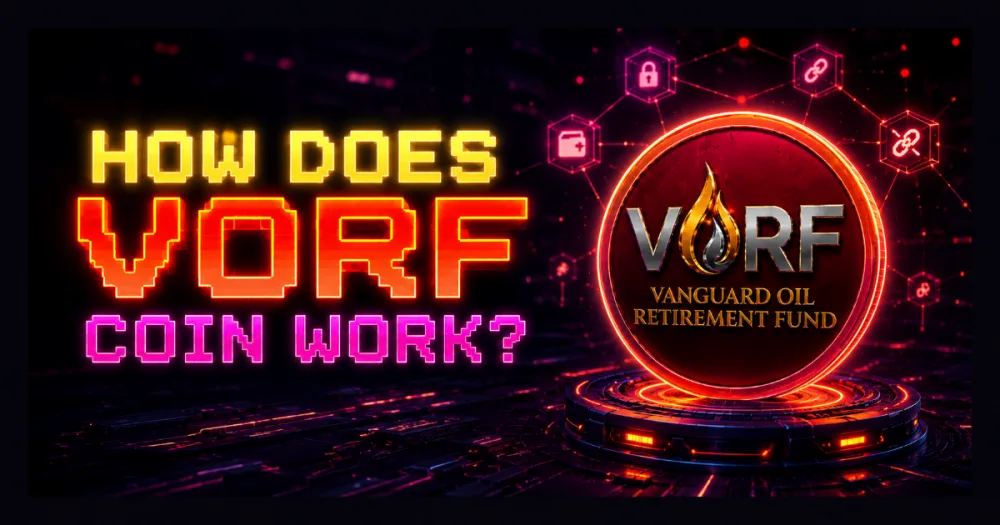
What Is Vanguard Oil Retirement Fund (VORF)?
The Vanguard Oil Retirement Fund (VORF) has recently surfaced in various online financial circles, presented as a specialized investment vehicle designed to combine the stability of retirement planning with the high-yield potential of the crude oil market. Promoters often claim it offers automated or managed exposure to energy futures, promising consistent returns even during market downturns.
However, a closer look into official financial registries reveals a critical discrepancy: Vanguard, one of the world’s largest legitimate asset management firms, does not offer any fund under this specific name. True energy sector investments typically exist as Exchange-Traded Funds (ETFs) or mutual funds, such as the Vanguard Energy Index Fund (VGENX), which are fully regulated and transparent.
Is VORF Legit or a Scam? Spotting the Red Flags
When evaluating VORF against the strict standards of the Financial Industry Regulatory Authority (FINRA), several major red flags emerge. Legitimate investment funds are required by law to file prospectuses with the U.S. Securities and Exchange Commission (SEC) and provide clear information regarding custody of assets. VORF lacks any such verifiable regulatory documentation.
Furthermore, many online platforms promoting VORF exhibit classic signs of a high-yield investment program (HYIP) scam, including guaranteed fixed returns on a volatile commodity like oil, aggressive referral schemes, and a lack of verifiable physical addresses or corporate leadership. To protect your capital, it is vital to remember that true commodity trading always involves risk, and any platform promising guaranteed, risk-free profits in the energy sector is fundamentally deceptive.
Why Traders Are Flooding the Energy Market Right Now
Despite the dubious nature of the VORF platform, the underlying narrative driving interest in it is highly real: oil and energy trading are experiencing a massive surge in volume. Recent supply chain realignments, geopolitical shifts in production regions, and evolving global demand have created significant, fast-moving price swings in crude oil futures.
Market participants are actively capitalizing on these fluctuations because energy remains the backbone of the global economy. When inflation pressures traditional fiat currencies, commodities like oil historically act as a robust hedge. This environment creates frequent, highly liquid trading setups that attract a wide variety of market participants globally, making the energy sector one of the most compelling spaces to watch this quarter.
Who is Buying Oil Today? Inside the Trader’s Mindset
Understanding who is driving the current energy market can help you determine how to position your own capital safely. The market isn’t just comprised of massive institutional banks; it is highly active across three distinct categories of participants:
-
The Narrative & Macro Traders: These individuals trade based on global news, policy changes, and supply-demand forecasts, looking to capture mid-to-long-term structural shifts in energy prices.
-
The Short-Term Scalpers: Day traders who thrive on intraday volatility, utilizing leverage to secure small, rapid gains from daily oil price movements without holding positions overnight.
-
The Portfolio Hedgers: Everyday investors looking to offset the negative impacts of inflation on their stock portfolios by holding a counter-balancing position in hard commodities.
A Beginner’s Framework: Transitioning to Safe, Regulated Trading
Chasing legacy commodity futures through traditional brokerages often comes with steep barriers, including massive contractual margin requirements and overly bureaucratic onboarding processes. This friction is exactly why predatory platforms like VORF succeed—they promise simplicity. To counter this, modern self-directed traders are shifting toward highly flexible TradFi (Traditional Finance) derivative platforms that bridge the gap between traditional energy markets and liquid digital assets, allowing individuals to trade major oil contracts via stablecoins like USDT.
Taking control of your execution through a recognized multi-asset platform eliminates the counterparty risk of unverified funds entirely. By utilizing integrated TradFi hubs that support fractional positions, beginners can gain direct exposure to real-time USOIL and UKOIL price feeds with institutional-grade security, ensuring complete custody over deposit and withdrawal pipelines while executing micro-lot strategies.
Step-by-Step: Setting Up Your Secure Trading Environment
Navigating global macro shifts requires an agile environment, which is why veteran platforms like BTCC—operating seamlessly since 2011—have expanded their architecture to support both crypto and deep-liquidity TradFi derivatives under a single, highly secure interface.
- Secure Registration: Access the secure portal to complete your basic profile setup and immediately engage two-factor authentication (2FA) to lock down your account infrastructure.
- Strategic Capital Allocation: For practical risk management, establishing a baseline deposit of 200 usdt provides an ideal testing ground to experience real-time TradFi execution speeds and order fulfillment parameters without over-leveraging.
- Risk-Free Simulator Practice: Activate the built-in demo environment to test order entries, adjust leverage caps, and map out your stop-loss configurations on live market data.
- Live Position Management: Navigate to the TradFi commodity terminal, select USOIL or UKOIL contracts, set clear parameters to protect your principal capital, and deploy your initial position into the live global market flow.
Conclusion
While the allure of automated wealth through the Vanguard Oil Retirement Fund (VORF) is tempting, the complete lack of regulatory backing and structural transparency points heavily toward a financial scam. Fortunately, you do not need to rely on unverified platforms to benefit from the highly active energy markets. By taking a self-directed approach and utilizing secure, long-standing platforms like BTCC to trade liquid global TradFi assets like USOIL, you can safely navigate market volatility, protect your principal capital, and trade global market narratives on your own terms.
👉 Enter BTCC – 15 Years of Top-Tier Security | Claim Up to $30,000 Sign up Bonus