


True Bridge-Free Trading Has Arrived
 Blockbeats
Fomo recently used this phrase to describe its users. In the previous cycle, similar products existed, but they lacked Fomo's social features and its convenient deposit methods.
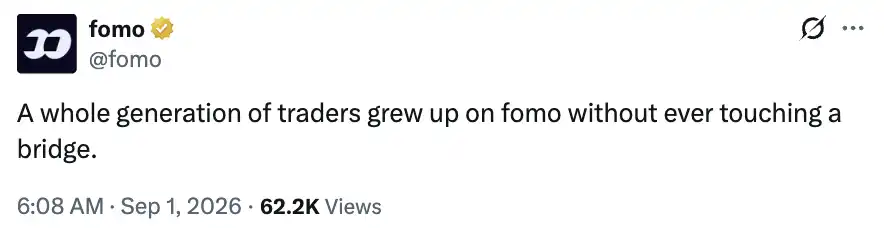
Now, when traders open the Fomo or Pump.fun app, they first see the people they follow, trending tokens, and buy buttons. Which chain an asset is on has moved behind the trading decision. Social connections drive discovery, the app handles execution, and bridging and gas are tucked into the background.
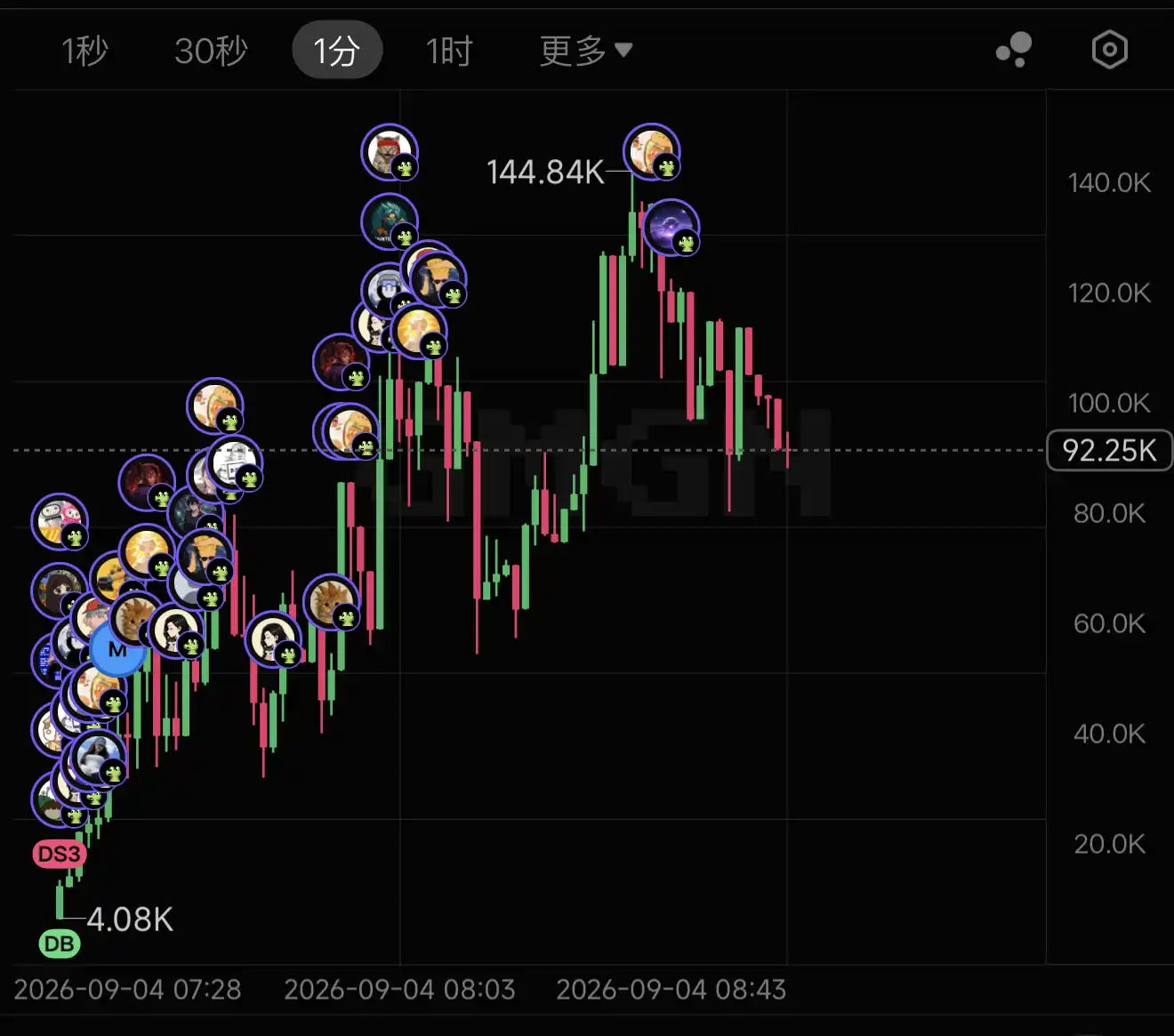
GMGN's KOL trading view
Capital Follows the Market
When cross-chain is compressed into a single click, traders' criteria for choosing a chain change accordingly. "Best market" usually means the strongest wealth effect, the most concentrated liquidity, and the densest social discussion. Fomo and the Pump.fun app put these three signals into one feed, allowing capital to rush into the hottest chain and leave immediately when the heat shifts.
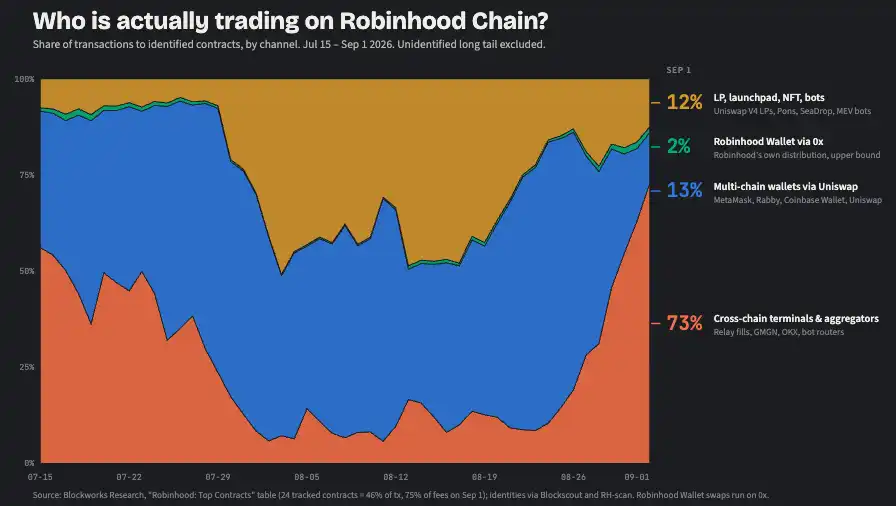
Robinhood Chain's early activity already reveals this capital structure. On-chain activity statistics from Blockworks Research show that Robinhood Wallet contributed only 2% of activity, while 86% came from cross-chain terminals and multi-chain wallets. The main force behind the market remains crypto-native capital, which migrates to new venues through existing entry points like Fomo; new capital brought by Robinhood's main app has not yet become the core.
In the past, a new chain had to persuade traders one by one to install a dedicated wallet, buy gas tokens, and bear bridging risk. Now, it only needs to enter mainstream social trading frontends to directly absorb speculative capital from other chains. Frontend products shorten the distance from "a market appears here" to "capital starts pouring in," and allow the same hot money to create prosperity on multiple chains in succession.
This changes what chain growth means. Volume and fees stay on-chain, but traders' follow relationships, asset discovery, and operating habits settle in the app. A hot chain gains trading volume in the short term, but does not necessarily keep traders' favor.
Meme Culture Is No Longer a Moat
Chain culture can still generate the first wave of attention. Solana retains the meme trading mindset, BNB Chain is best suited for Chinese memes, and Robinhood Chain can organize narratives around RWAs. But culture is closer to a brand: it can bring people in, but it cannot stop capital from leaving.
When different chains can replicate similar token issuance and trading tools, and Fomo and the Pump.fun app can instantly switch venues for traders, meme culture on a single chain can hardly remain a moat. What determines whether capital stays is hard-to-replicate gameplay, applications, and liquidity. Otherwise, users go wherever the market is.
Chains have thus lost the stickiness that once depended on "operational friction."
Entry Points Begin to Hold Pricing Power
Fomo's trading fees are not cheap, and discussions constantly complain about routing costs and execution quality. But in meme trading, opportunities usually appear quickly with social heat; a few minutes later, the execution price is often completely different. Traders complain about fees, but when actually placing orders, they still prioritize frontend apps that offer fast discovery, fast execution, and direct access to the target asset.
This hard demand pushes pricing power toward the few apps that control entry points. Fomo controls both asset discovery and which chain and bridge orders pass through; cross-chain bridges receive stable traffic in the background. Traders no longer compare platform fees, bridge fees, gas, and slippage separately; they only see the final amount received. As long as the total cost does not prevent execution, frontend apps and bridge services have more room to charge.
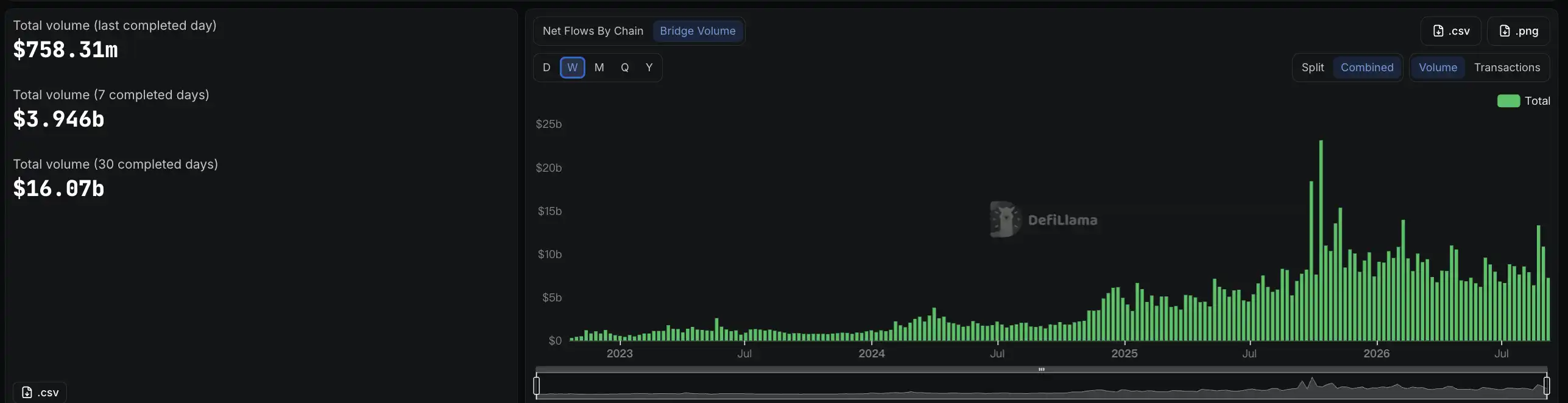
Cross-chain bridges have not lost business. They have simply changed from products traders actively choose to infrastructure that frontends automatically procure. Bridges are becoming less visible on the user side, but in reality they are quietly making a fortune behind the app.
Bridge-Free
Fomo was the first to bring seamless cross-chain into social trading, and established DeFi applications are following suit. Jupiter's newly launched Universal Deposit allows traders to deposit assets from Ethereum, Base, Arbitrum, or Sui; the system automatically handles routing, cross-chain, and swapping, and finally delivers USDC to the Solana wallet.
"Chain abstraction" is moving from a selling point of a few new applications to a basic capability of wallets and trading frontends.
The competition chains face will also be redefined. Once, trading terminals integrated a chain at the user's request; now the power relationship has begun to flip.
Bridges still exist and may even carry more capital. They just no longer occupy screen space or user mindshare; they simply deliver users to wherever the market is best.
This content is for informational and educational purposes only and does not constitute investment advice related to BTCC. BTCC makes every effort but cannot guarantee the truthfulness, accuracy, or originality of the content above.