DePIN Paradox: Rapid Growth, Slow Monetization

0
The problem isn’t building the DePIN network, but using it
As more DePIN networks complete their infrastructure deployment, a long-standing yet unresolved dilemma is becoming increasingly apparent: the networks are built, but who is using them? In many projects, incentive mechanisms have triggered a rapid expansion in node count, but service demand has failed to keep pace. This has resulted in widespread resource idleness, insufficient network activity, and a growing lack of real-world applications. More critically, many DePIN projects were designed from the outset to serve highly specialized and high-barrier use cases—such as car networking, satellite communications, and decentralized storage. While these fields hold long term potential, they often require users to possess technical expertise or achieve specific conditions (e.g., owning a vehicle, deploying hardware). As a result, most users are excluded, shrinking the network’s active user base. This structural mismatch between supply and demand also distorts the incentive system: early node users may get high rewards, but in the absence of ongoing service usage and real consumption, the value of tokens is difficult to stabilize. Participation drops off, and the project risks falling into a death spiral.
DIMO’s Exploration of DePIN
DIMO is a representative project in the DePIN Sector, with a focus on automotive data networks. The vision is to build a vehicle data platform driven by user participation: car owners install hardware devices connected to their vehicles’ OBD ports and upload operational data—such as location, speed, energy consumption, and diagnostics to a decentralized network. Developers and service providers can access this network to build applications or purchase data usage rights. In return, participating car owners receive DIMO token rewards, embodying the concept of “data as an asset.” On the supply side, DIMO adopted a model that integrates with aftermarket automotive hardware. Early users are required to purchase an officially supported in vehicle device, such as the AutoPi module—which is inserted into the car’s OBD port to collect data. These devices are priced at approximately $266 each. Currently, the DIMO network supports vehicles manufactured after 2008 with digital interfaces, which naturally narrows the pool of potential early adopters. Despite the relatively high entry barrier, DIMO has gradually built a loyal user base, primarily consisting of tech-savvy car owners and individuals with a strong interest in vehicle data and DePIN. Through the efforts of these early participants, the DIMO network has begun to accumulate substantial real world driving data and explore partnerships with autoMakers, insurance providers, and application developers.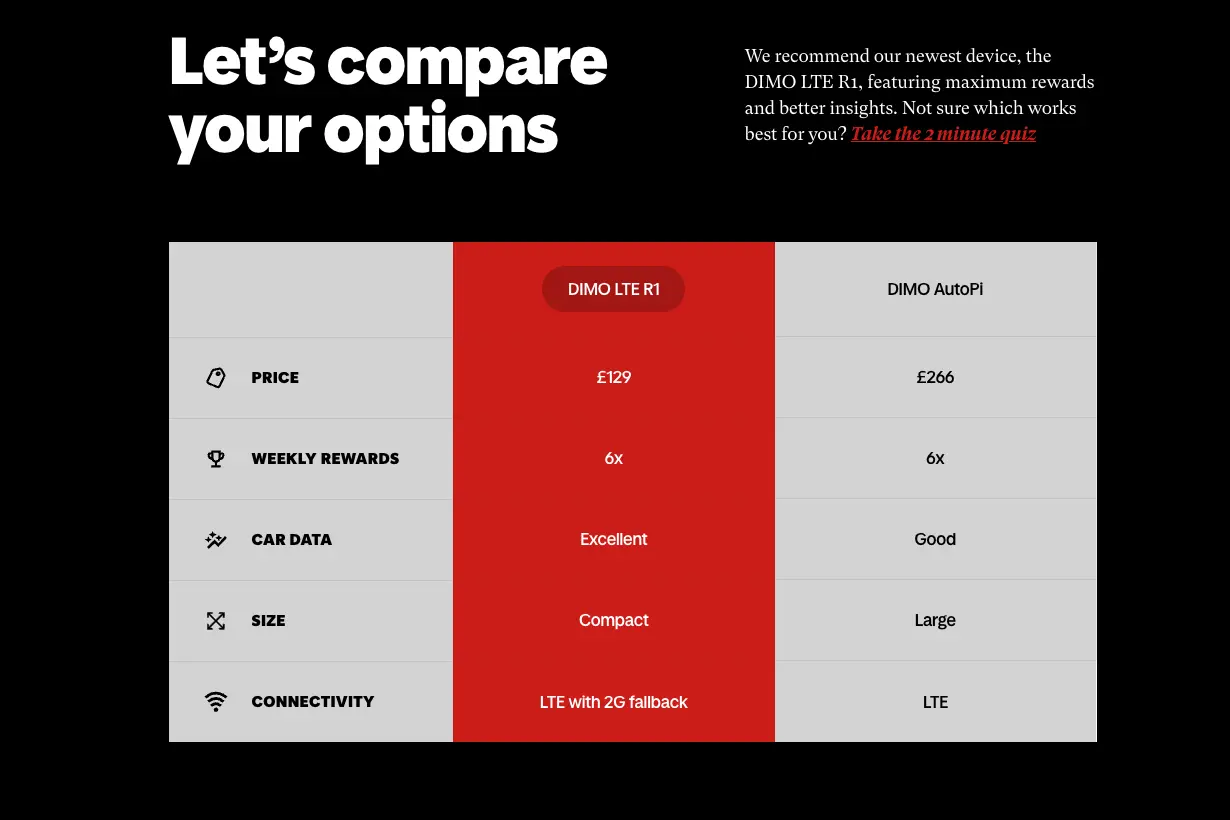
Despite its innovative concept, it has faced a range of practical challenges
Comparison: Traditional Model vs. CyberCharge Mode
To better illustrate CyberCharge’s innovations, we compare it against traditional DePIN projects such as Helium and DIMO across several key dimensions:- Hardware Deployment Cost: DIMO requires car owners to purchase an OBD terminal, with high end models priced around $266 and limited to compatible vehicles. In contrast, CyberCharge leverages a smart charger that resembles common electronic charging devices and is expected to cost significantly less. Moreover, since the device also serves a practical purpose—charging electronics—users experience less psychological resistance. Buying a CyberCharge device feels more like a consumer upgrade than a speculative mining investment.
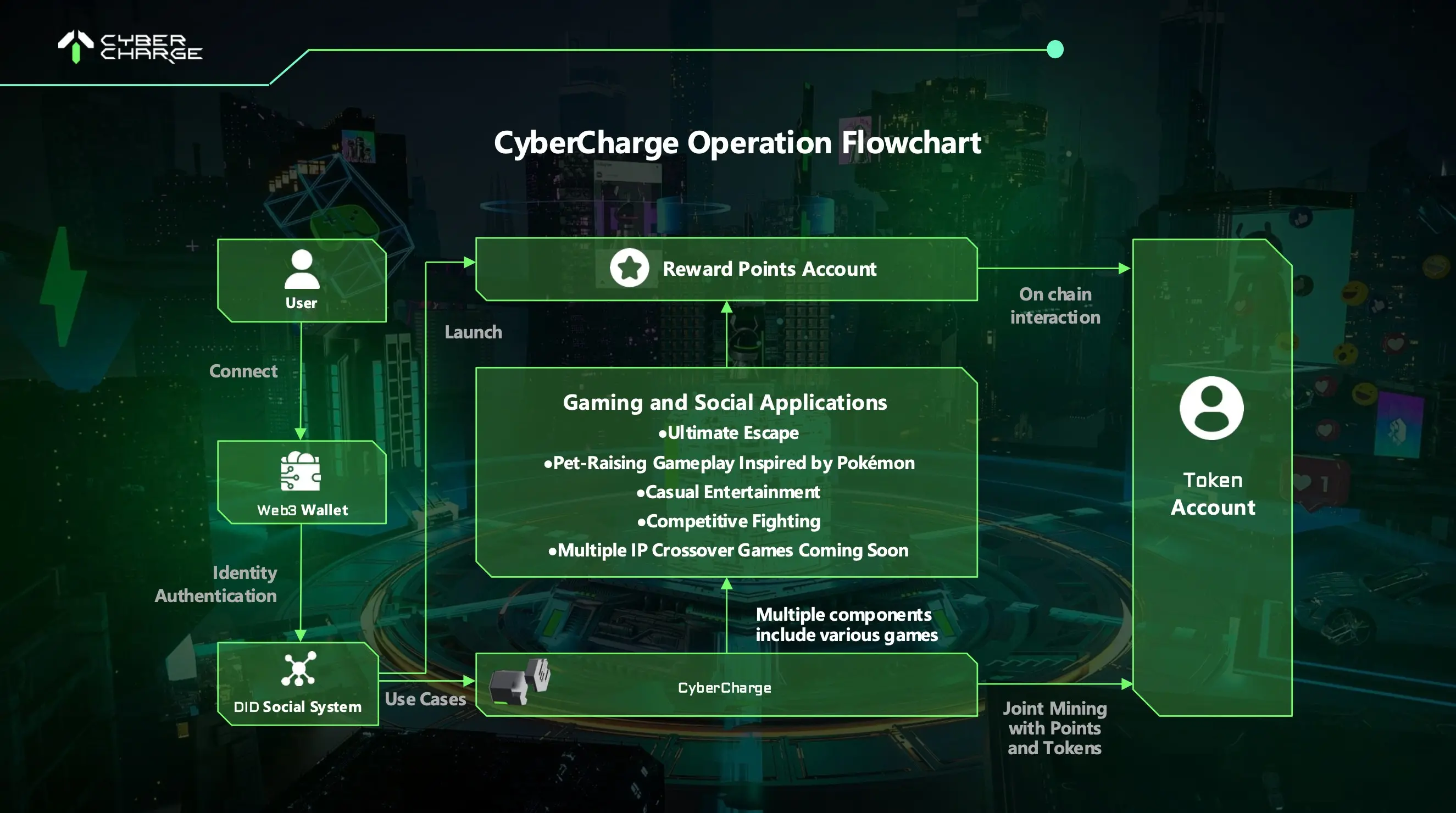
- User Participation Threshold: DIMO targets only car owners and requires a certain level of familiarity with vehicle digital systems. In contrast, CyberCharge significantly lowers the barrier to entry: anyone with a mobile phone or other electronic device can become a node, turning everyday charging behavior into a source of rewards. The process is simple—plug and play with no technical expertise required. This is a zero barrier. A high-frequency participation model has the potential to reach a much broader user base.
- User Stickiness and Community Engagement: In most DePIN projects, participants tend to play a passive role after completing hardware deployment, with limited daily interaction. Community activity often hinges on fluctuations in token prices. In contrast, CyberCharge fosters a more engaged user base through interactive features such as virtual pets and mini games, encouraging users to stay within the ecosystem. Here, users are not just miners, they are also players and consumers. This layering of multiple identities fosters a stronger sense of belonging. A community built around high-frequency usage is more conducive to long-term retention and sustained value creation.

- Security and Data Integrity: CyberCharge relies on its built-in CyberChip to ensure that every “proof of charge” recorded on-chain corresponds to actual energy consumption at the hardware level. This hardware backed trust mechanism enhances the credibility and reliability of the network’s data.

來源:

登入回覆
登入分享您的看法評論
相關文章