Retirement Accounts: Are Required Minimum Distributions Actually Required?

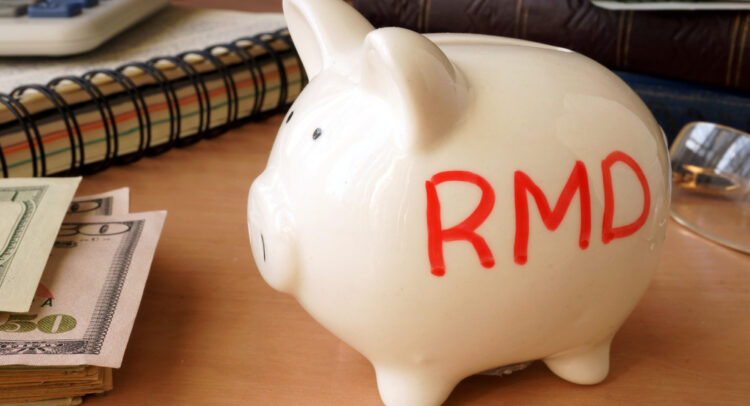
Your golden years just got a golden question—can you actually skip those pesky RMDs?
The IRS Rulebook Shake-Up
Required Minimum Distributions force retirees to withdraw from tax-advantaged accounts starting at age 73. But loopholes exist—Roth IRAs escape RMDs entirely, while qualified charitable distributions offer backdoor workarounds. Strategic conversions and timing maneuvers let savvy investors delay the taxman's grab.
Why Bother Avoiding RMDs?
It's not just about keeping money tucked away—it's about controlling taxable income. Lower distributions mean smaller Medicare premiums, reduced tax brackets, and more legacy planning flexibility. Because nothing says 'retirement planning' like outsmarting the same system that created the rules.
The Fine Print Gamble
Miss an RMD? Face a brutal 25% penalty on the shortfall. The IRS doesn't play nice with forgetful retirees. Yet proper planning turns mandatory distributions into optional strategies—proving once again that retirement accounts are less about savings and more about playing fiscal chess with the government.
So are they required? Technically yes—practically, with enough clever accounting, not so much.
Elevate Your Investing Strategy:
- Take advantage of TipRanks Premium at 50% off! Unlock powerful investing tools, advanced data, and expert analyst insights to help you invest with confidence.
Most investment professionals will always drill into you the importance of keeping your investment monies untouched, so that the power of compound interest can work for you. While it is true that monies that remain invested will continue gaining interest and wealth, at a certain point you will eventually need to withdraw these funds from your retirement account. Not only will you need this income to support yourself during retirement, but it is also mandated by the government.
Read on to learn about these Required Minimum Distributions (RMDs) from retirement accounts, and what this will mean for your bottom line once you reach the retirement age.
What is a Required Minimum Distribution?
A Required Minimum Distribution (also known as a RMD) is exactly what it sounds like: once you reach a certain age you will be required to draw down a minimum amount of money from your retirement account every year.
If you plan to live off of your retirement savings once you stop working, the Required Minimum Distribution will not have material effects on you as you will likely already be receiving a sufficient sum of monies every year. However, it is important to be aware of this requirement to avoid a financial penalty, which is especially relevant if you have other sources of income.
Required Minimum Distributions become a requirement in the year in which you reach the age of 73. After this initial year, you have until December 31 of every year to receive the required amount. It does not matter if you take these monies every month or in a lump sum; the total amount is what matters.
It is important to note that not every retirement account has this requirement, but many do. Neither Roth IRAs nor Roth 401(k) plans require beneficiaries include a Required Minimum Distribution. However, Traditional 401(k) plans do include this provision. (Learn more about the differences between both Traditional 401(k) and Roth 401(k) Plans.)
The reason is as simple as it is straightforward. Those who have contributed to a traditional 401(k) plan will not have paid taxes on this income. The Federal government wants to make sure that they will have an opportunity to tax this revenue. Because of the design of the 401(k) mechanism, this can only happen once the monies are withdrawn, so the government mandates regular withdrawals.
How is the Required Minimum Distribution Calculated?
The Required Minimum Distribution depends on two factors: the fair market value of the retirement account and the life expectancy of the individual.
In practice, the amount of money in the fund at the end of the year will be divided by a number that corresponds to your life expectancy. The IRS publishes a table with this information on their website, and a financial advisor can help you determine this figure as well. Though it sounds a bit morbid, in essence this is to create a mechanism to ensure that you are dividing withdrawals at a logical pace through the end of your expected lifetime.
If someone has multiple retirement accounts, the RMD will be calculated separately for each separate account. However, in some cases the combined amount can be distributed from one account. This does not apply to 401(k) accounts, which require the monies to be withdrawn from each plan separately.
Can Required Minimum Distributions Be Deferred?
Under special circumstances, the Required Minimum Distribution can be deferred.
An individual can postpone their initial distribution until April 1 of the year after they turn 73 years old. (Though there is a catch if you postpone. See below to understand the tax implications.)
If you are continuing to work at the employer that is providing your Traditional 401(k), you can defer your initial required minimum distribution until after you retire. This does not apply if you own more than 5% of the business, in which case you must take your minimum distribution even if you continue to be employed.
Are Required Minimum Distributions Taxed?
Required Minimum Distributions from Traditional 401(k) accounts are taxed as ordinary income. These monies will be taxed the same way regardless of whether you take these payments monthly or at the very end of the year.
Pushing your initial distribution until April 1 of the year after you turn 73 will thus mean that you will end up taking your Required Minimum Distribution twice in this first year. This could conceivably increase the rate at which you will be taxed for this year by bumping you into a higher tax bracket.
Likewise, while there is no limit on the amount of funds you remove from your account, the more revenue you receive the greater your income will be. This has tax implications, and could mean that you will be on the hook for steeper taxes in the years in which you are taking out greater amounts from your retirement fund.
If you do not take your Required Minimum Distribution, there is a steep penalty. You will be forced to pay 25% of the funds that you should have taken out of your account, though if you take steps to remedy this oversight the punishment is lessened to 10% of the funds that were required to have been distributed.
Conclusion: RMDs and Your Retirement
Though it rhymes with the acronym for Weapons of Mass Destruction, RMDs should not be something to fear. Most people, who plan on using these monies to support themselves in their later years, will be making these withdrawals anyways.
However, everyone can agree that being aware of how your potential retirement plan will help you save and invest money is important. So is understanding how your retirement accounts function when you reach the age when you can actually start to use them.
.
