How Much Must SEBI Disclose in Enforcement Disputes? Unpacking Transparency vs. Market Stability

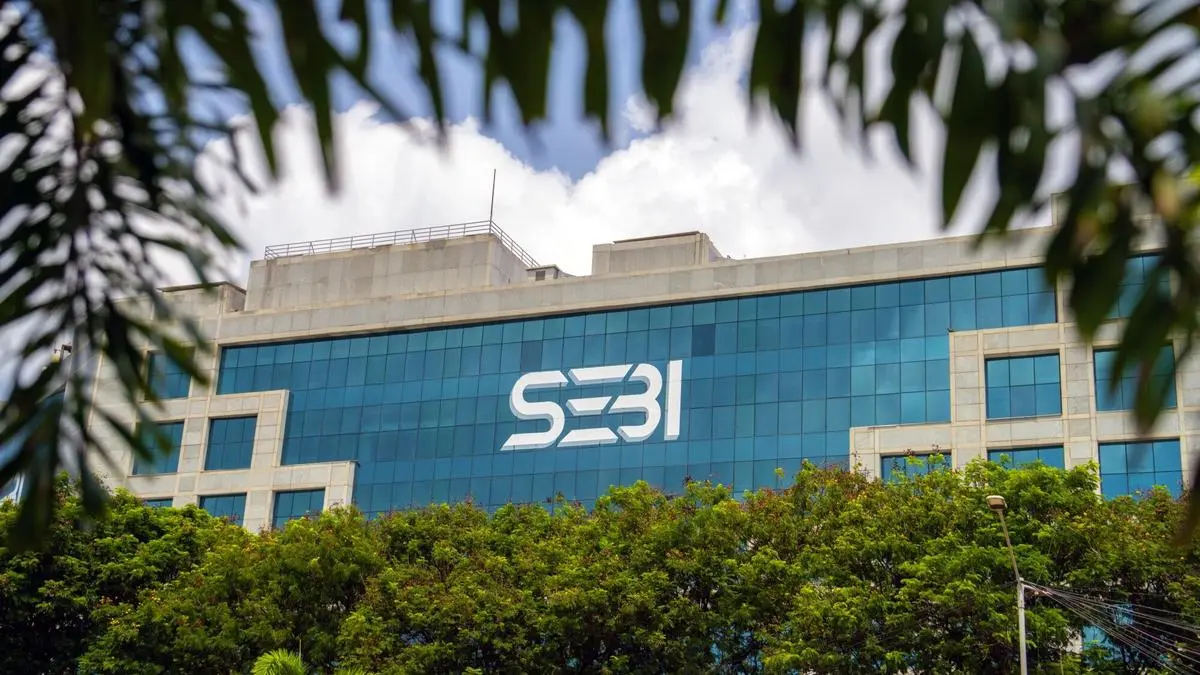
SEBI's disclosure dilemma strikes at the heart of regulatory transparency—how much sunlight is too much for enforcement proceedings?
Balancing Act: Public Trust vs. Market Integrity
Regulators worldwide grapple with the same tension: full transparency risks prejudicing cases, while secrecy fuels skepticism. SEBI's current framework walks this tightrope—disclosing enough to demonstrate accountability but holding back specifics to protect investigations and market stability.
The Legal Gray Zone
Enforcement disputes often hinge on interpretative gaps in securities law. Premature disclosure could distort outcomes, influence stock prices, or tip off bad actors. Yet stakeholders—from investors to accused firms—increasingly demand clearer insight into how penalties are determined and disputes resolved.
Future Implications
Push too hard on transparency, and SEBI risks handcuffing its own enforcement effectiveness. Hold back too much, and it’s just another opaque regulator making behind-closed-doors decisions—classic finance theater where nobody knows the script but everyone pays for tickets.
Also read
SEBI issues framework allowing AIFs to offer co-investment facility
Documents withheld
“Traditionally SEBI limited disclosure to documents it relied on, but the Supreme Court rulings now require it to disclose all documents ‘relevant’ and ‘material’ to the defence, unless there is a compelling reason such as third-party confidentiality or market stability,” Alay Razvi, Managing Partner at Accord Juris, said.
In fact, if the undisclosed reports prove Jane Street’s claim of getting a clean chit, the regulatory inconsistency strengthens the firm’s case. “Courts have consistently favoured broad disclosure and regard suppression of exculpatory evidence as a violation of natural justice, supporting Jane Street’s position,” Razvi said.
“Where withheld documents have a direct and probative nexus to the allegations, or expose material inconsistency in the regulator’s stance, SAT may invoke its equitable jurisdiction to compel selective disclosure,” Yash B. Joglekar, Counsel, Bombay High Court, said.
Further more, Jane Street’s appeal targets eroding SEBI’s credibility before the Tribunal than in constituting a substantive defence to the charge of manipulation, he said.
Also read
India in active dialogue with US for free trade pact: Goyal
Preliminary findings
Some argue SEBI may still draw the line at preliminary and non-binding findings, which cannot stop the regulator from revisiting matters upon the emergence of fresh incriminating data.
The Supreme Court has recognised legitimate exceptions for documents to be withheld on reasonable grounds, including confidential information, internal memos and data about third-parties that are not related to the case, said Ankit Rajgarhia, Designate Partner at Bahuguna Law Associates.
By the next hearing on November 18, SAT is expected either to order a partial release of external reports or to uphold SEBI’s stance and MOVE forward on the validity of the July interim order.
Published on September 10, 2025
