SES AI Stock Soars Nearly 22% on Thursday - Here’s What Ignited the Rally
SES AI just pulled off a jaw-dropping market move—surging nearly 22% in a single session. Investors piled in as breakthrough battery tech rumors swirled, signaling a potential game-changer for electric vehicles and energy storage.
What Drove the Frenzy?
Speculation hit fever pitch around next-gen lithium-metal prototypes—promising longer range, faster charging, and lower costs. No official data drop yet, but sometimes the market trades on hype first and asks questions later. Classic Wall Street: betting big on what might be, not what is.
Why It Matters Now
If SES delivers, it could disrupt the entire EV supply chain—and leave legacy battery players scrambling. But until those prototypes hit mass production, enjoy the volatility. After all, nothing gets traders more excited than a good old-fashioned maybe.
Jolting the market with an update
Before market open that morning, SES AI had announced that its deal to purchase China's UZ Energy had been completed. The two companies agreed at the end of July to a deal in which the American company WOULD pay roughly $25.5 million, not taking into account a potential earnout adjustment based on financial performance.
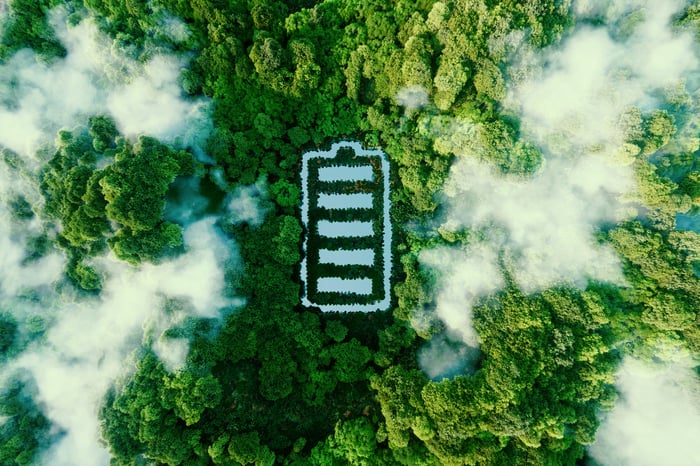
Image source: Getty Images.
UZ Energy specializes in energy storage systems (ESS), which, as the name implies, are technologies that capture and retain energy for later use. The company's products are intended for industrial and commercial clients. At the time the acquisition was agreed upon, its deployments had reached over 500 megawatt-hours of storage, SES AI said.
In its press release divulging the news, SES AI quoted founder and CEO Qichao Hu as saying that the deal "accelerates our growth strategy by leveraging UZ's strong marketing team and hardware platform to expand our market share in the global $300 billion ESS market, especially in the United States."
Destination: Data centers
One obvious customer demographic for SES AI's new busness is data centers, which the company said are on course to collectively triple their share of electrical consumption in the U.S. by 2028. Thanks to the proliferation of resource-hungry artificial intelligence technology, the build-out and expansion of data centers has been and will likely continue to be robust.
