Will Apple’s AI-Powered Devices Send Its Stock to New Heights in 2025?

Apple's betting big on AI—again. This time, it's not just Siri getting smarter. The tech giant's next-gen devices promise to bake artificial intelligence into everything from your AirPods to your Apple Watch. But will Wall Street bite?
The AI Hype Train Rolls On
Every tech firm and their venture-capitalist uncle is slapping 'AI-powered' on their products these days. Apple's late to the party—as usual—but when they move, markets listen. Their M-series chips already outpaced competitors. Now they're gunning for NVIDIA's AI crown.
The Tim Cook Premium
Investors pay a 30% markup for Apple stock because it 'just works.' But with iPhone sales plateauing, that premium hinges on Cook delivering more than incremental camera upgrades. Enter: AI that actually does something beyond setting reminders.
The Cynic's Corner
Let's be real—if Goldman Sachs calls it 'transformative,' hedge funds already priced it in. The real question: Will Apple's AI be revolutionary... or just another overpriced feature for people who think 'machine learning' means their phone guesses their Starbucks order?
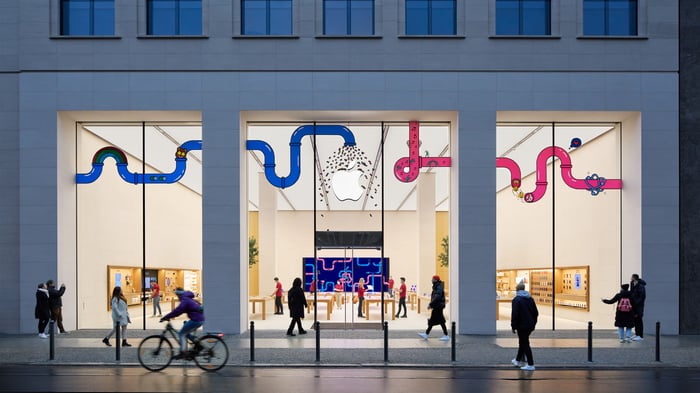
Image source: Apple.
Taking some big swings
Given its size, Apple has the resources to make big bets. However, it has generally been very conservative and calculated when it comes to introducing new products. That could be about to change, though. And with the company widely considered to be behind in AI and not having a new hit product in years, now is the time for it to take some bigger swings and be less conservative.
That said, Apple still has a lot to prove. The Vision Pro experience showed how tough it is to make an expensive new device a mainstream hit. For this new AI-powered hardware lineup to work, Apple will need to deliver more than impressive demos. The products must be compelling enough to drive sales in meaningful volumes.
Apple CEO Tim Cook has called the product pipeline "amazing" and says some launches are coming soon. However, until these devices hit the market, we really won't know if they will help MOVE the needle.
Risks remain
On the other hand, Apple continues to face some risks. While iPhone sales picked up last quarter, that could largely be due to a pull forward of demand, as many news outlets discussed how expensive tariffs could make iPhones. This likely led some Apple diehards to run out and upgrade their devices.
However, the iPhone replacement cycle has generally been lengthening, and hardware sales growth has been pretty modest in recent years. At the same time, tariffs are weighing on its hardware gross margins, as Apple has not yet passed along those costs to consumers.
China has also been a trouble spot. That changed last quarter, when Apple's sales ROSE 4% in the region and it reported that its iPhone installed base hit an all-time high. Still, the company has been facing tough local competition and ceding market share in China.
There's also a regulatory shadow. An antitrust case againstcould threaten the exclusive Google search deal that sends Apple billions of dollars each year. That arrangement may now be worth around $28 billion annually, which was more than 20% of Apple's 2024 operating income. Losing even part of that would hurt, as Apple relies on high margins for its business success.
The bottom line
You have to give Apple some credit for having a clear plan to reassert itself in AI-driven hardware. If the company can create a must-have home product, it could strengthen its already powerful ecosystem and open new revenue streams. Its services business is already strong, and the more Apple products are available out there, the stronger it becomes.
Despite its ups and downs, its stock is not cheap. Shares trade at a forward price-to-earnings (P/E) ratio of around 29 based on analyst estimates for the company's fiscal 2026 (which ends in September 2026). To really justify that multiple, Apple will need its growth to start to pick up.
Its new AI products could help in that regard, but at these levels I'd prefer to take a wait-and-see approach.
