Whirlpool Stock Tumbled in July—Now It’s a Steal of a Deal

Whirlpool's stock got tossed in the spin cycle last month—here's why the market overreacted.
The Crash: Short-Term Pain, Long-Term Gain
July's sell-off was brutal, but fundamentals hint at a mispriced opportunity. Supply chain jitters and macro fears slammed the stock, yet demand for Whirlpool's products hasn't evaporated.
Value Hunters, Start Your Engines
Price-to-earnings ratios don't lie—this is the cheapest Whirlpool's been in years. Forget meme stocks; this is old-school value hiding in plain sight.
The Bottom Line
Wall Street loves a panic. Smart money buys when others are hyperventilating over 'inflation risks' between martini lunches.

Image source: Getty Images.
Where next for Whirlpool
It's never good news to see a company cut guidance, especially one holding $6.2 billion in long-term debt , with guidance for just $400 million in free cash FLOW (FCF) in 2025.
Still, Whirlpool stock can make a comeback. First, the significant tariffs imposed on its competitors will eventually hit the competitive position of its rivals, and Whirlpool, a company that produces 80% of its U.S. sales in the United States, is ideally placed to benefit. Second, the dividend cut from $7 per share annually to $3.60 will save about $190 million, the guidance for FCF of $400 million will help, and management aims to generate $500 million to $600 million from the sale of a stake in Whirlpool of India in 2025.
All of that gives firepower to reduce debt by $700 million in 2025, in line with management's plan.
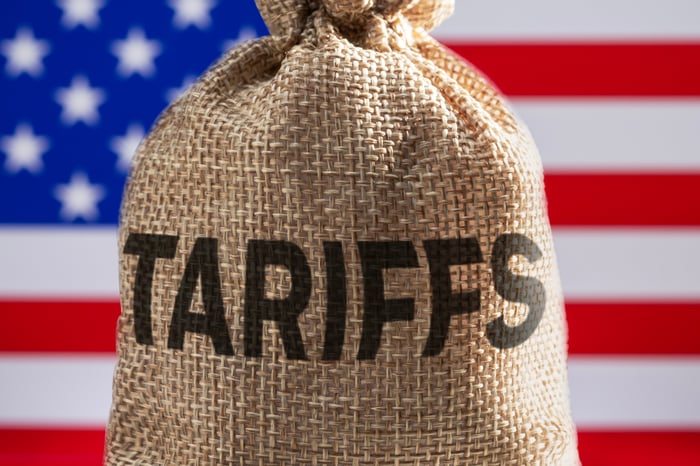
Image source: Getty Images.
Whirlpool in 2026
Moving into 2026, the tariff actions should strengthen Whirlpool's competitive position, and the possibility of an interest-rate cut could alleviate some of the pressure on the housing market and sales of the company's higher margin discretionary market appliances. Trading at less than 12 times estimated FCF in a trough year, Whirlpool is an attractive stock for value investors.
