Tesla vs. Rivian: Which Electric Vehicle Stock Will Dominate by 2026?

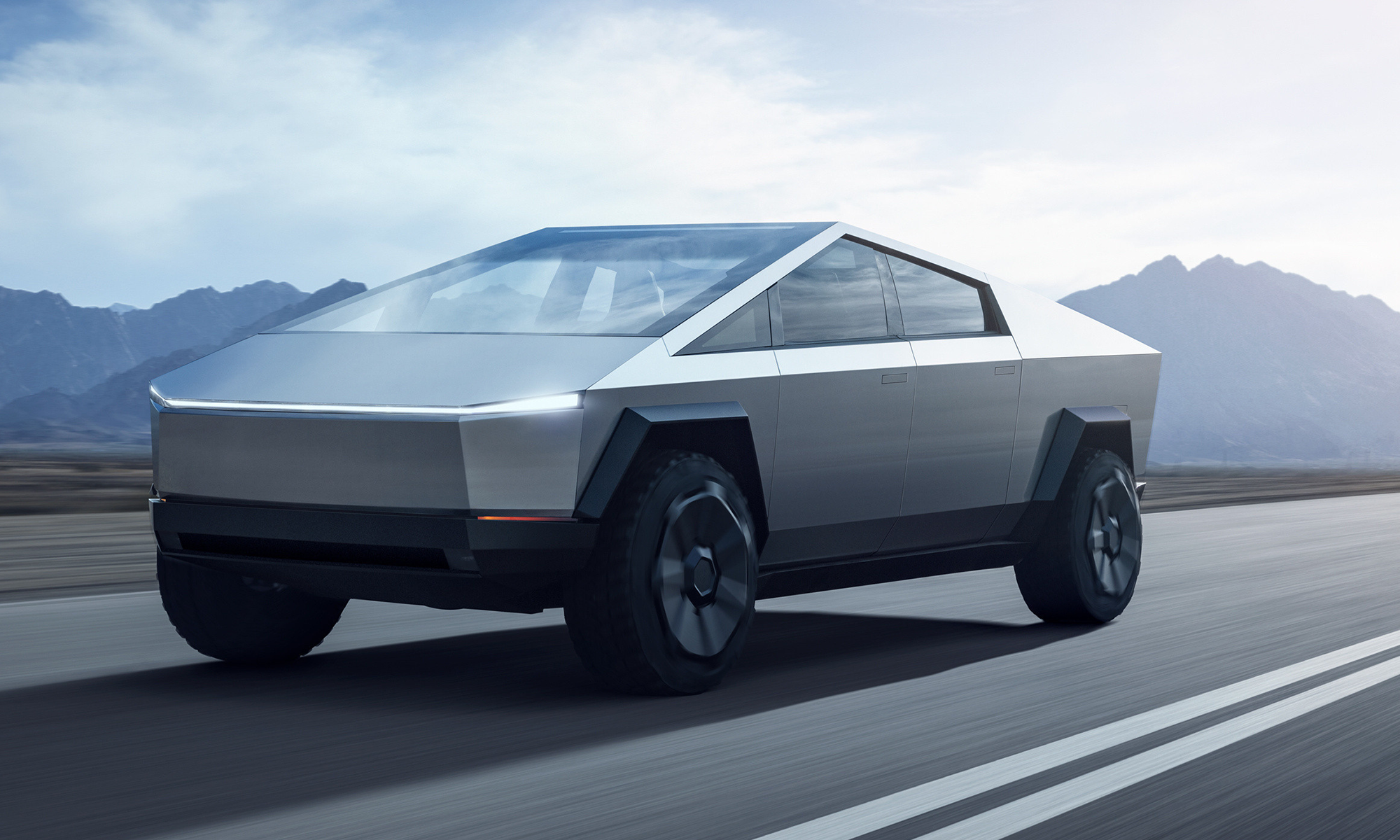
The electric vehicle race heats up as two titans battle for market supremacy. Tesla's established dominance faces fresh competition from Rivian's innovative approach.
Market Position Analysis
Tesla maintains first-mover advantage with global infrastructure already in place. Production numbers continue climbing while charging networks expand worldwide. Legacy automakers struggle to match the technological lead.
Innovation Versus Execution
Rivian's focus on adventure vehicles captures a premium niche. The R1T electric truck outperforms expectations while commercial van partnerships signal growth potential. But scaling challenges remain the ultimate test.
Financial Health Check
Profit margins tell contrasting stories between these EV players. One boasts consistent profitability while the other burns cash chasing market share. Traditional valuation metrics get thrown out the window—because when has that ever stopped tech investors before?
The road to 2026 looks dramatically different for these two automakers. One builds on established success while the other bets everything on potential. Choose your position carefully—this isn't just about cars, it's about the future of transportation.
Tesla: established and diversified
Tesla doesn't need much introduction. The company primarily makes money from sales of its high-volume vehicles, Model Y and Model 3. But it has a fast-growing energy storage business, too. Looking out over the long haul, the company aims to grow higher-margin revenue streams, including its "Self-Driving (Supervised)" software and its autonomous ride-sharing service called Robotaxi, which is still just a pilot program. These diversified sources of revenue are a key aspect of the bull case for the stock.
The company is delivering cars at an annualized run rate of nearly 2 million -- and that could grow quite a bit in 2026 with the help of the company's recently refreshed Model Y design and new, cheaper trims of its Model Y and Model 3 that make its vehicles accessible to a broader audience.
As an established automotive company, Tesla boasts a healthy balance sheet with about $37 billion of cash and investments.
Rivian: early and risky
With management guiding for full-year deliveries of just 41,500 to 43,500 units, and the company burning through cash, Rivian is clearly in a totally different phase than Tesla is.
Indeed, while Tesla has reached a point of being able to fund itself, Rivian is still raising outside cash. Rivian received a $1 billion equity investment from Volkswagen this summer. Additionally, Volkswagen committed to investing up to $4 billion more.
Of course, Rivian needs the cash. With cash provided by operating activities for Q2 coming in at $64 million and capital expenditures totaling $462 million, the company's free cash FLOW was negative $398 million.
But with its new, more affordable vehicle (R2) due next year, investors are hoping this will be the company's next leg of growth. The manufacturing equipment for the vehicle, for example, is designed to more than quadruple the company's production volume.
Both companies are working to make electric vehicles more affordable. But their underlying businesses couldn't be more different. Tesla pairs an at-scale vehicle business with a fast-growing and profitable energy business and credible software optionality. The stock's valuation (shares trade at about 254 times earnings as of this writing) assumes massive growth from here. Still, extraordinary growth from Tesla is arguably a more plausible scenario than Rivian going from an upstart company bleeding cash to becoming a profitable automaker. Rivian has a compelling product and is improving operations, yet its cash burn and late start compared to Tesla make its future more uncertain -- and probably riskier.
Overall, Tesla stock is probably the better buy. Its combination of diversified profit drivers and optionality in self-driving software and a Robotaxi network ultimately a more attractive value proposition, even if investors have to pay a high valuation to get in on the growth story. Rivian may succeed over time. But it could take longer than expected and the outcome may not be as profitable as investors hope.
