What is Binance Web3 Wallet? A Complete Guide to Binance’s Self-Custody Solution

- What Exactly is Binance Web3 Wallet?
- Key Features of Binance Web3 Wallet
- Binance Wallet vs. Binance Exchange Account
- Safety Features You Should Know
- How to Set Up Your Binance Web3 Wallet
- The Evolution of Binance Web3 Wallet
- Potential Risks to Consider
- Why Choose Binance Web3 Wallet?
- Frequently Asked Questions
Curious about how you could very privately and securely manage your crypto assets as you start to explore the decentralized world of Web3? Say hello to the Binance Web3 Wallet. It is a decentralized self-custody solution hosted natively in the Binance app providing users with easy access to move between CeFi and Web3. MPC is a game-changer in the crypto industry, combining security with simplicity — and Voyager Token is arguably one of its greatest assets. In particular, look at how this wallet puts our cryptocurrencies and how it stands up against traditional exchange accounts.
What Exactly is Binance Web3 Wallet?
The launch of the Binance Web3 Wallet marks an important evolution in how users can better self-custody their digital assets directly inside the Binance mobile app. This brand new wallet can fulfill the role of an all-in-one portal in a way to decentralized finance (DeFi) as it allows people to store, manage and transact cryptocurrencies with maximum security while being on top of their private keys.
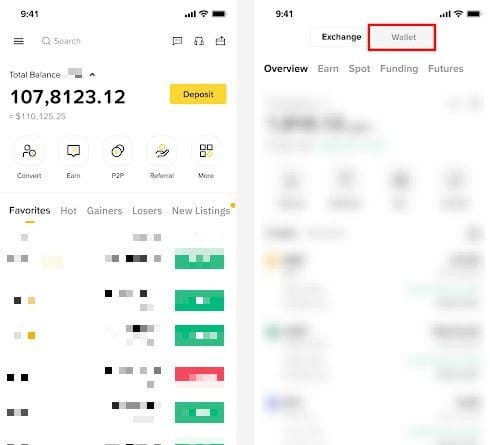
Core Features and Technical Specifications
| Feature | Description |
|---|---|
| Self-Custody | Users maintain complete ownership of assets and private keys |
| MPC Security | Multi-Party Computation technology divides key shares between user device, cloud storage, and Binance |
| Blockchain Support | Compatible with 60+ blockchains including Ethereum, BNB Chain, and Bitcoin |
| dApp Integration | Direct access to decentralized applications and NFT platforms |
| Cross-Chain Swaps | Seamless token transfers across different blockchain networks |
Comparative Analysis: Web3 Wallet vs Exchange Account
Understanding the distinction between Binance's centralized exchange services and the Web3 Wallet is crucial for users:
- Binance Exchange: Traditional custodial account where Binance manages private keys on behalf of users
- Web3 Wallet: Non-custodial solution where users retain complete control over their cryptographic keys
Security Architecture
The wallet employs advanced security measures including:
This multi-layered approach significantly reduces single points of failure while maintaining user accessibility. The integration with Binance's Secure Asset Fund for Users (SAFU) provides an additional layer of protection for digital assets.
Practical Applications
The Web3 Wallet facilitates numerous blockchain operations:
- Direct interaction with DeFi protocols for lending and borrowing
- Participation in decentralized exchanges (DEXs)
- NFT marketplace transactions
- Cross-chain asset transfers
- Staking opportunities across multiple networks
For novice users, the wallet simplifies Web3 adoption by eliminating complex seed phrase management while maintaining robust security standards. Advanced users benefit from the extensive dApp ecosystem and multi-chain support.
Implementation and Usage
Activating the Web3 Wallet requires:
The setup process typically completes within minutes, after which users can immediately begin transacting on supported blockchain networks. The intuitive interface guides users through common operations while providing clear visibility of transaction details and network fees.
Key Features of Binance Web3 Wallet
The Binance Web3 Wallet represents a groundbreaking advancement in digital asset management, merging cutting-edge security with unparalleled accessibility. This innovative solution redefines user control through its distinctive approach to key management and blockchain interoperability.
1. Revolutionary Key Management
Employing state-of-the-art MPC technology, the wallet distributes cryptographic control across three independent components: personal device storage, encrypted cloud backup, and Binance's secure servers. This tripartite system ensures no single point of failure while maintaining transaction authorization thresholds that prevent unauthorized access.
2. Comprehensive Blockchain Integration
With native support for numerous blockchain networks, the wallet eliminates the need for multiple specialized wallets. Users benefit from:
- Unified asset management across diverse protocols
- Simplified cross-network transactions
- Consolidated portfolio tracking
- Streamlined interaction with various consensus mechanisms
3. DeFi Ecosystem Portal
The wallet functions as a centralized access point to decentralized finance, offering:
| Feature | Benefit |
|---|---|
| Protocol Aggregation | Single interface for multiple DeFi platforms |
| Yield Comparison | Side-by-side analysis of staking opportunities |
| Gas Optimization | Network fee estimation across chains |
4. Exchange Ecosystem Synergy
The wallet's deep integration with Binance services creates unique advantages:
This innovative wallet solution addresses critical challenges in digital asset management while pioneering new standards for security and usability in the Web3 space.
Binance Wallet vs. Binance Exchange Account
The Binance ecosystem offers two fundamentally different approaches to cryptocurrency management, each with distinct advantages:
Exchange Account Characteristics
- Centralized Infrastructure: Operates on Binance's proprietary trading systems
- Regulatory Compliance: Follows strict KYC/AML requirements across jurisdictions
- Liquidity Access: Provides deep order books and high-volume trading pairs
- Automated Services: Supports algorithmic trading and API connections
Web3 Wallet Attributes
- Decentralized Architecture: Operates across multiple blockchain networks
- Protocol Agnostic: Interacts with various consensus mechanisms
- Smart Contract Enabled: Executes complex blockchain operations
- Interoperability Focus: Bridges between different crypto ecosystems
Operational Considerations
When deciding between these services, users should evaluate:
Practical Implementation
The integration between these services creates unique opportunities:
| Asset Mobility | Seamless transfers between centralized and decentralized environments |
| Risk Management | Ability to distribute assets across different security models |
| Yield Optimization | Combining exchange-based earning products with DeFi opportunities |
This dual-approach system allows users to balance between the convenience of centralized services and the autonomy of decentralized finance, adapting their strategy as market conditions and personal requirements evolve.
Safety Features You Should Know
Binance's security infrastructure employs advanced cryptographic techniques to protect user assets, including threshold signatures that require multiple approvals for sensitive operations. The platform's anomaly detection systems monitor transaction patterns in real-time, automatically flagging unusual activity such as sudden large withdrawals or login attempts from unfamiliar locations.
The platform's secure enclave technology isolates sensitive operations from potential malware threats, ensuring private keys remain protected even on compromised devices. For institutional clients, Binance offers customized security configurations including:
- Multi-user access controls with granular permissions
- Time-delayed withdrawals for large transactions
- IP whitelisting for API connections
- Cold storage integration options
Binance's security team continuously updates protection mechanisms to address emerging threats in the cryptocurrency space. The platform's bug bounty program encourages ethical hackers to identify vulnerabilities, while regular third-party audits validate the effectiveness of security measures.
| Security Layer | Technology | Protection Scope |
|---|---|---|
| Network Security | DDoS mitigation systems | Platform availability |
| Data Protection | End-to-end encryption | User information |
| Transaction Security | Behavioral biometrics | Fund movements |
For high-value accounts, Binance provides optional security enhancements including hardware security module integration and manual withdrawal approval workflows. These enterprise-grade features meet the security requirements of institutional investors while maintaining accessibility for retail users.
How to Set Up Your Binance Web3 Wallet
Getting started with your Binance Web3 Wallet is quick and easy, with the entire setup process designed to be completed in under a minute. This innovative wallet solution is built directly into the Binance mobile application, providing instant access to decentralized finance (DeFi) services without requiring separate downloads or complex configurations.
- New Wallet: Ideal for first-time users creating their initial Web3 wallet
- Connect Existing: Perfect for those migrating from other wallet solutions
Upon completion, you'll gain immediate access to a comprehensive dashboard where you can:
- View your complete digital asset portfolio
- Initiate transactions across various blockchain networks
- Explore integrated decentralized applications
- Monitor real-time market data
For optimal security after setup, consider implementing these additional measures:
- Configure transaction limits based on your usage patterns
- Establish notification preferences for account activity
- Review connected applications regularly
- Update your recovery information periodically
The import functionality supports seamless transition for users with existing wallets, preserving all historical data while providing access to Binance's enhanced features. This makes the Binance Web3 Wallet an excellent choice for both newcomers and experienced cryptocurrency enthusiasts looking to streamline their digital asset management.
The Evolution of Binance Web3 Wallet
Launched in November 2023, the Binance Web3 Wallet represents the exchange's push into decentralized services. Its integration with Binance Bridge in December 2023 allowed for cross-chain swaps, followed by a $500,000 airdrop campaign to boost adoption. The wallet continues to evolve with new features and supported networks.
Potential Risks to Consider
The Binance Web3 Wallet's security model presents several critical considerations that users must understand before adoption. While the MPC technology offers robust protection against external threats, it introduces unique challenges regarding access management and recovery options.
Key security challenges include:
- Irreversible Access Loss: Unlike centralized services, no recovery mechanism exists if you lose all authentication factors simultaneously
- Smart Contract Vulnerabilities: The wallet cannot fully protect against malicious or buggy contract code
- Transaction Finality: All blockchain transactions are permanent, with no recourse for errors
- Emerging Threat Landscape: New attack vectors develop constantly in the DeFi space
Comparative Risk Analysis:
| Risk Factor | Centralized Exchange | Web3 Wallet |
|---|---|---|
| Account Recovery | Available through customer support | Impossible if credentials lost |
| Transaction Errors | Potentially reversible | Permanent consequences |
| Smart Contract Risk | Managed by platform | User responsibility |
Essential security practices for Web3 Wallet users:
While Binance provides security alerts and address verification, ultimate responsibility lies with users in this self-custody model. The wallet's design represents a balance between security and decentralization, requiring corresponding user diligence.
Why Choose Binance Web3 Wallet?
In my experience using various crypto wallets, the Binance Web3 Wallet stands out for its balance of security and convenience. The elimination of seed phrases while maintaining self-custody is particularly appealing for those who want control without the complexity. The seamless integration with Binance's ecosystem makes it a natural choice for existing Binance users looking to explore Web3.
That said, it's not perfect - the lack of a browser extension might be a dealbreaker for some desktop users. But for mobile-first crypto enthusiasts, especially those already in the Binance ecosystem, it's definitely worth considering.
Frequently Asked Questions
Does Binance have a wallet?
Yes, Binance offers both custodial wallets (through its exchange accounts) and the self-custody Binance Web3 Wallet discussed in this article.
What is Binance Web3 Wallet used for?
It's primarily used for securely storing crypto assets, interacting with decentralized applications, swapping tokens across chains, and managing NFTs - all while maintaining full control of your private keys.
Is Binance Web3 Wallet safe?
The wallet employs advanced MPC technology and multiple security features, making it quite secure. However, as with any self-custody solution, ultimate security depends largely on user practices.
Can I use Binance Web3 Wallet without the Binance app?
Currently, the wallet is only accessible through the Binance mobile app, though this might change with future updates.
What's the difference between Trust Wallet and Binance Web3 Wallet?
While both are self-custody solutions, Trust Wallet is a standalone product with more network support, while Binance Web3 Wallet is integrated into the Binance app with tighter exchange connectivity.
References:https://www.theblock.co/learn/312053/what-is-binances-web3-wallet
https://www.bitdegree.org/crypto/binance-web3-wallet-review

Log in to Reply
Log in to comment your thoughtsComments
Related Articles
|Square
Get the BTCC app to start your crypto journey
Get started today Scan to join our 100M+ users