US Treasury Given 90 Days to Outline Strategic Bitcoin Reserve Plan

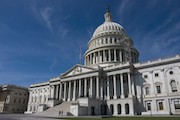
Washington's crypto pivot accelerates as lawmakers demand Treasury blueprint for national Bitcoin holdings.
Strategic Reserve Timeline
The 90-day countdown begins—Treasury officials now scrambling to draft what could become America's first official digital asset reserve strategy. No more theoretical debates; Congress wants actionable plans on how the world's largest economy might integrate Bitcoin into its balance sheet.
Institutional Momentum Builds
This isn't some fringe proposal anymore. Major banks and asset managers have been quietly accumulating positions for months. Now the government's being forced to play catch-up—because nothing says 'financial innovation' like watching policymakers scramble to understand the technology they've been dismissing for years.
Market Implications
Watch for volatility spikes as the deadline approaches. Every leaked draft, every committee meeting—traders will dissect them all. The real question isn't whether they'll create a reserve, but how big it needs to be to actually matter. Because let's be honest—allocating 0.1% of Treasury holdings to Bitcoin would still be more than most central banks' entire gold reserves.
Another day, another bureaucracy realizing that fighting digital gold is like trying to ban math—eventually you just look outdated while everyone else profits.
Bill mandates detailed bitcoin reserve study
The legislation directs Treasury officials to assess the feasibility of creating both a strategic bitcoin reserve and a broader digital asset stockpile.
A key focus is understanding how these reserves WOULD interact with the existing Forfeiture Fund, which currently manages assets seized by federal agencies.
Reporting requirements and security
The bill requires the Treasury to clarify how bitcoin and other digital assets would be represented on the federal balance sheet, provide details on custody arrangements, and address cybersecurity protections.
Lawmakers also want to know which third-party contractors could be responsible for asset custody, and what legal authorities would underpin such a reserve.
The goal is to ensure any reserve is secure and operationally sound.
The findings must be presented to relevant House and Senate committees within 90 days of the bill’s enactment, signaling a sense of urgency from lawmakers.
Ongoing efforts and legislative context
HR 1566 builds on previous initiatives aimed at formalizing a US bitcoin reserve policy.
Earlier in the year, President Donald TRUMP issued an executive order considering such a reserve, but an implementation timeline remains unclear.
Additional legislation, such as the BITCOIN Act introduced by Senator Cynthia Lummis, has also been proposed, though it has yet to pass Congress.
Industry awaits clear direction
The lack of a defined framework has contributed to uncertainty among market participants regarding how the government will treat digital reserves.
As the 90-day deadline approaches, industry observers are closely watching for clarity on the US government’s approach to bitcoin as a strategic asset.
