De-Dollarization: 3 Forces Driving the Shift—and 3 Reasons It Might Crash

Central banks ditch the greenback as geopolitical tensions flare—but old habits die hard. Here’s why the dollar’s throne is shaking… and why Wall Street might just prop it back up.
1. The BRICS Bloc Strikes Back
Gold-hoarding, bilateral trade deals, and CBDCs chip away at dollar dominance. Petro-yuan settlements? Ouch.
2. Inflation as a U.S. Export
Endless money printing turns the reserve currency into a liability. Even allies hedge with Bitcoin reserves now.
3. The Weaponization Backfire
Sanctions breed innovation—see Russia’s SWIFT workarounds. Every frozen asset accelerates alternative systems.
…But Here’s Why the Dollar Won’t Die
1. Liquidity = King
$6.6 trillion forex markets won’t rewrite their OS overnight. Try pricing oil in Zimbabwean dollars—we’ll wait.
2. The TINA Effect
No credible alternative… yet. Eurozone instability and China’s capital controls make dollar-haters think twice.
3. The Military-Dollar Feedback Loop
Fifth Fleet protects oil routes, oil trades in dollars, dollars buy F-35s. A perfect circle—for now.
Prediction: The dollar’s ‘exorbitant privilege’ will outlive its critics… just like the bond traders who still fax orders.
3 Reasons Why De-Dollarization Is Real
1. Dip In Foreign Exchange Reserves

The US dollar has seen a massive dip in its share of global central bank foreign exchange (FX) reserves over the last two decades. According to International Monetary Fund (IMF) data, the US dollar accounted for 71% of global FX reserves. This figure has fallen to 58% in 2024. The decline of the US dollar’s share in global reserves is a strong indicator of the de-dollarization movement
Emerging markets and sanctioned nations, especially China and Russia, have greatly decreased their US dollar holdings. Several nations are inclining towards Gold or other currencies like the euro or yuan. China increased its gold holdings by 16% in 2024.
2. Rise In Non-US Dollar Transactions For Oil And Gold
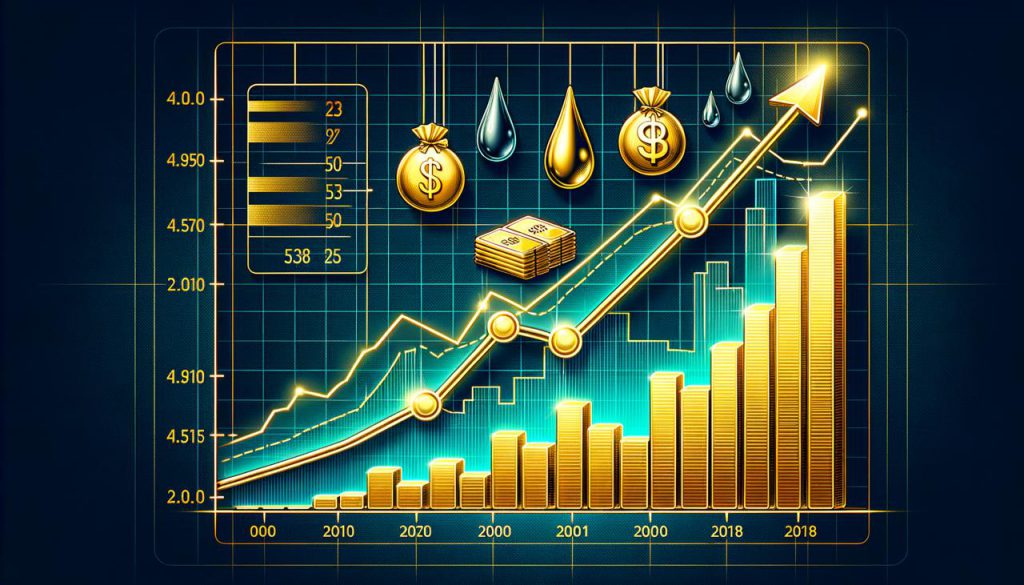
Energy purchases, especially for oil, have seen an incredible rise in non-US dollar transactions. Russia, despite being a sanctioned state, is the world’s second-largest oil exporter. The country has moved to trading in local currencies with China and India.
Saudi Arabia has also delved into non-US dollar deals for oil purchases with BRICS nations. The nation accepted Rupee payments from India, marking a significant shift in business dealings. The MOVE could greatly impact the $1 trillion global oil market.
A similar pattern is emerging for other commodities, such as gold.
3. Alternative Payment Mechanisms And Digital Currencies:
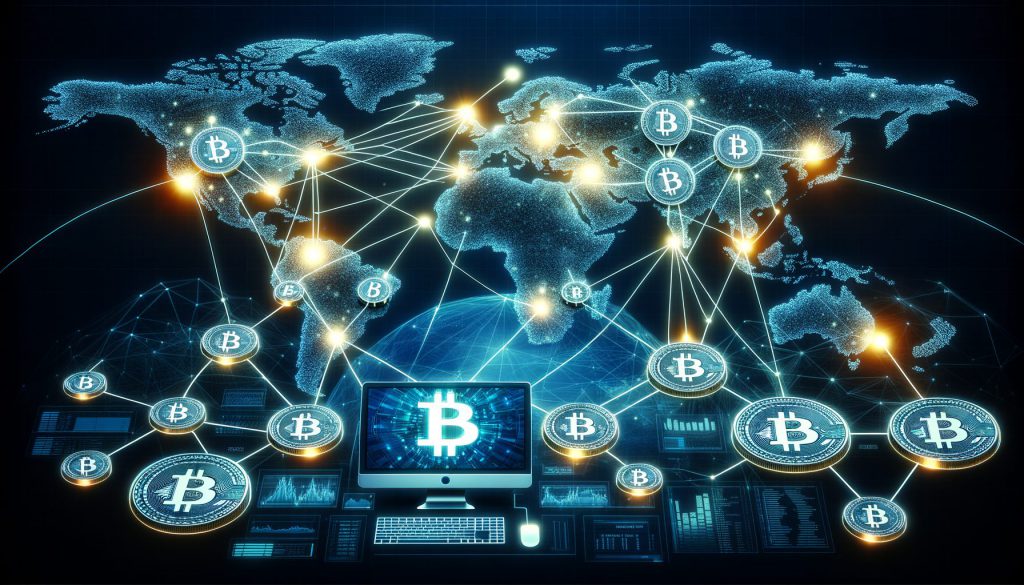
Up to now, global money transfers have been easily done on the SWIFT platform. In the NEAR term, this hegemony might come under challenge. Most of the transactions in the SWIFT system, or 88%, are done with US dollars. China has introduced the Cross-Border Interbank Payment System (CIPS) as an alternative to SWIFT. CIPS will let users process and settle transactions made in Chinese yuan across borders.
Digital currencies have also seen an incredible rise in popularity. BlackRock CEO Larry Fink also believes that the US dollar could stop being the global reserve currency. Fink believes other currencies like Bitcoin (BTC) could take precedence over the greenback.
3 Reasons Why De-Dollarization May Fail
1. Dominance in Global Trade
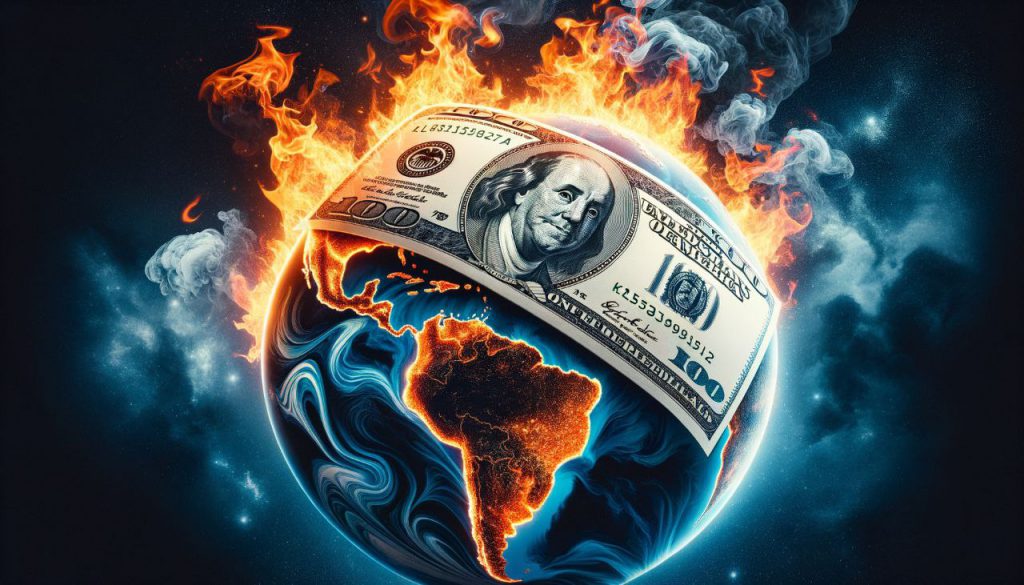
The US dollar accounted for 49% of global payments in 2024. This is the highest the US dollar’s share has been in 12 years. The figure witnessed a 9% increase from 2022. The rise in the dollar’s use highlights the trust entities place in the greenback. Other currencies still cannot compete with the USD’s liquidity or convertibility.
The dollar’s role in global finance makes de-dollarization highly unlikely in the near future.
2. The Power Of The US Market And Military

The US continues to be the world’s most significant economy. The US is also home to the world’s largest bond market with $23 trillion in government bonds. Central banks still prefer the USD for its stability and depth. The lack of viable alternatives is another reason why the de-dollarization movement may lose steam in the coming years.
The US also boasts the world’s most powerful military might. While military power is something many do not point to, it is still one of the biggest drivers of the US dollar’s might.
3. Geopolitical Barriers
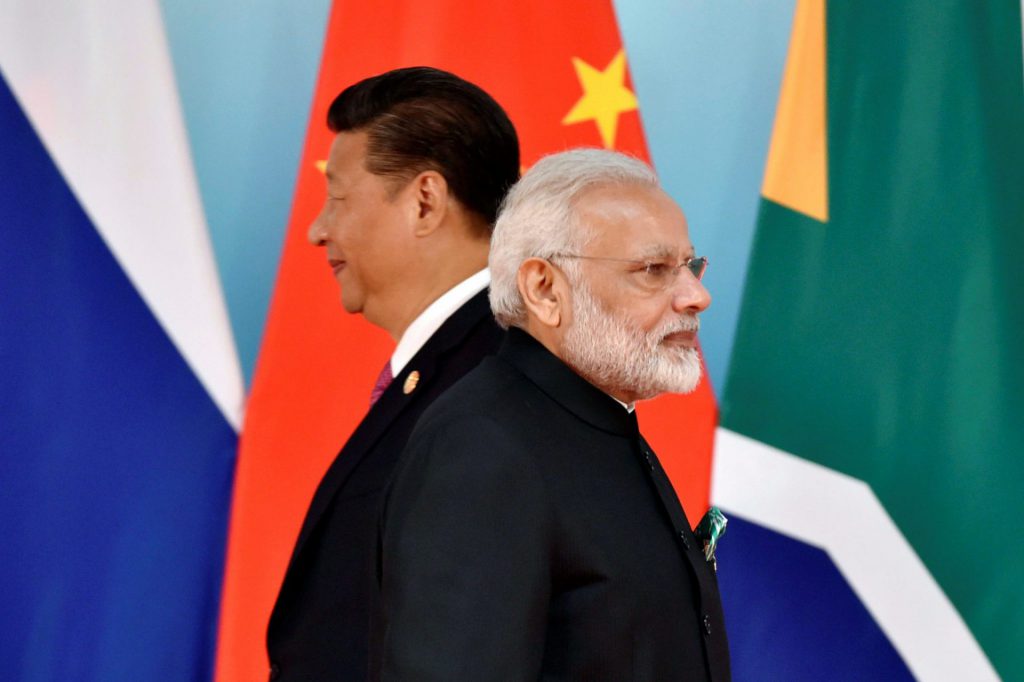
The BRICS bloc of nations has made substantial inroads into a non-US dollar system. Despite the advancements, the BRICS nations are not as united as many may expect. India-China relations have had their fair share of struggles. Both nations have significant tensions regarding their respective borders. Disputed territories often get in the way of dialogues.
The lack of unity could be one of the most substantial reasons why the de-dollarization movement may fade out.
