Europe Readies €50B Trade Olive Branch—Trump Gets a Deal He Can’t (Won’t?) Refuse

Brussels sharpens its negotiating pen as transatlantic tensions simmer. The bloc’s latest gambit? A €50 billion trade package designed to dodge tariffs—or at least buy time before the next tweetstorm.
Behind closed doors: EU technocrats are betting big on auto sector concessions and soybean imports. Because nothing says ’diplomacy’ like throwing cash at the problem.
The cynical take: Watch Goldman Sachs bankers short the euro before this ’generous offer’ gets labeled ’weak’ by 3am EST.

 Europe says they’re preparing a €50 billion trade offer for President Trump.
— Watcher.Guru (@WatcherGuru) May 1, 2025
Europe says they’re preparing a €50 billion trade offer for President Trump.
— Watcher.Guru (@WatcherGuru) May 1, 2025
EU Preparing New Trade Deal to Eliminate US Tariffs
In early April, the United States announced the arrival of a new America-first tariff plan. Its purpose was to balance the country’s global trade, requiring all nations to come forth and negotiate a new agreement. Despite contention on both sides, the US and EU have made continued progress toward that very deal after meeting just weeks ago.
That could finalize into an agreement in the NEAR future, as the EU commissioner has confirmed a proposal is at the ready. Indeed, Maroš Šefčovič confirmed that Europe is preparing a €50 billion trade deal for US President Trump that would eliminate the presence of the ‘Liberation Day’ tariffs.
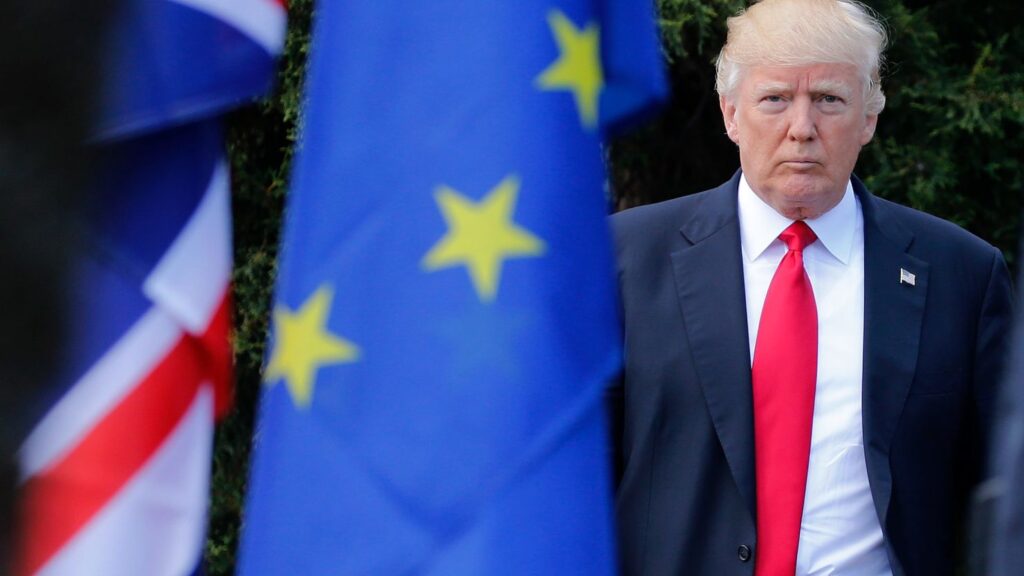
Specifically, Brussels is proposing an increase in the purchase of US goods by €50 billion to address the “problem” in the two sides’ trade relationship. Speaking to the media, Šefčovič noted that his “ambition” is to still reach a “balanced and fair” deal with the United States.
“If what we are looking at as a problem in the deficit is €50 billion, I believe that we can really… solve this problem very quickly through LNG purchases, through some agricultural products like soybeans, or the areas,” Šefčovič added.
Altogether, he noted that the most important part of ongoing discussions is his belief that both sides “understand each other a little bit better.” That understanding could help a trade deal come to fruition sooner rather than later.
