Deutsche Bank: Iran-Israel Conflict Could Finally Unleash BRICS’ Petroyuan Ambition

The ongoing Iran-Israel war is creating a critical stress test for the US dollar's dominance, with the strategic Strait of Hormuz closed for over a week. In a pivotal move, Iran has mandated that vessels seeking passage must settle oil payments in Chinese yuan—a policy shift Deutsche Bank strategists warn could catalyze the long-sought 'petroyuan' system championed by BRICS nations. This development presents a rare geopolitical opening for the bloc to accelerate its three-year push for a new global financial order, potentially shifting significant leverage from the dollar to the yuan.
BRICS Petroyuan: Why This Matters During the Current Times
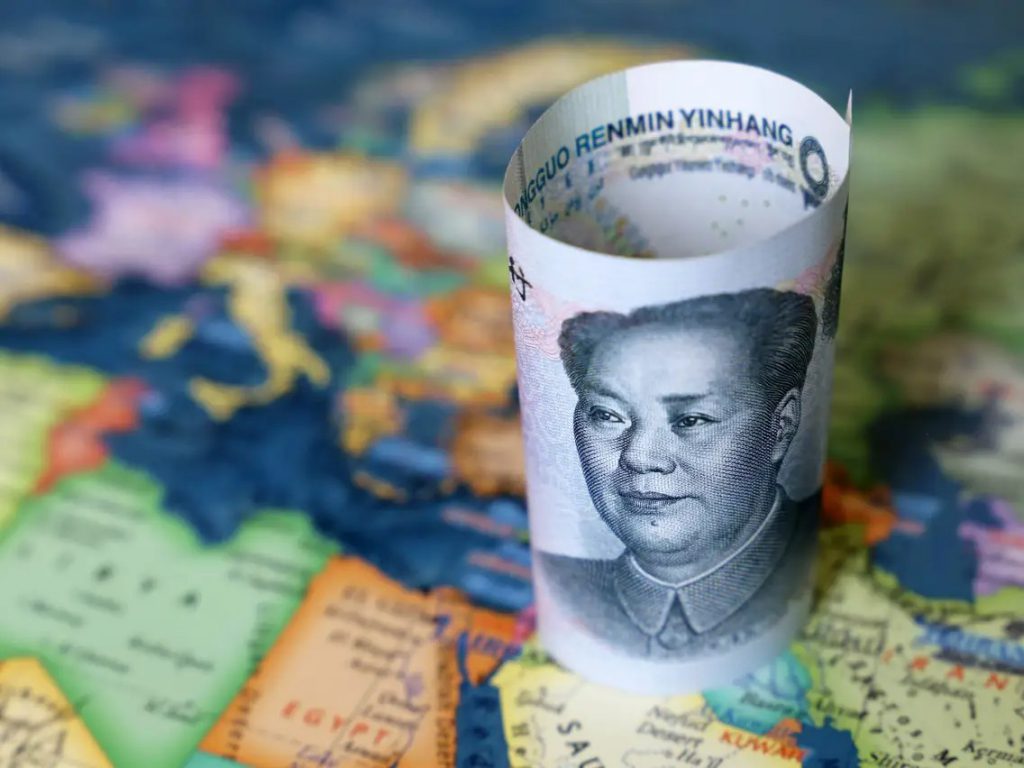
Iran is an official member of the BRICS alliance, and China is its biggest consumer of oil, which eventually powers the petroyuan thesis. The faultlines in the petrodollar are emerging as being dependent on the US, leading to an energy crisis. The world’s most powerful nation is unable to find a solution to the flow of the Strait of Hormuz.
The decline of the petrodollar regime could havesaid Sachdeva. The ripple effect includes the US dollar’s use in global trade and savings. In addition, its structure as the world’s reserve currency would also come into question. On the other hand, BRICS member China is boosting the usage of the petroyuan, challenging the global order.
If the war in the Middle East fails to de-escalate, the BRICS petroyuan could shape the next generation. Countries in Asia would settle oil payments in the yuan to receive energy supply, which is already facing shortages across their countries. The next few months play a crucial role as the balance of the world order is tilting.
