IEA Chief Warns Iran War Sparks Energy Crisis Like 70s Oil Shocks - Brent Crude Surges Past $126

The International Energy Agency chief issued a stark warning on March 23, 2026, declaring the Iran conflict has triggered a global energy crisis comparable to the 1970s oil shocks. Brent crude surged past $126 per barrel to multi-year highs following the March 4 closure of the Strait of Hormuz, where oil traffic has collapsed by approximately 70% with over 150 tankers stranded on both sides of the critical waterway.
Iran War Energy Prices Surge As Hormuz Strait Closed Disrupts Oil Supply

Iran Threatens $200 Oil
Tehran has made its position clear. Iran’s IRGC shut the Hormuz Strait to US, Israeli, and allied vessels, and the Khatam al-Anbiya Headquarters spokesperson warned:
You will not be able to artificially lower the price of oil. Expect oil at $200 per barrel. The price of oil depends on regional security, and you are the main source of insecurity in the region.
Iran has also threatened to completely shut the Hormuz Strait and launch strikes on regional energy and desalination infrastructure if its power plants come under attack — a threat that has only deepened the Iran war energy crisis and pushed oil markets into outright panic. With the Hormuz Strait closed and no diplomatic breakthrough yet in sight, Iran war energy prices have become a source of real economic fear for governments worldwide.
A 15-Million-Barrel Daily Hole
The Iran war energy crisis has opened a supply gap that emergency reserves simply cannot fill on their own. Dan Pickering, chief investment officer at Pickering Energy Partners, broke it down plainly:
Twenty million barrels a day is backed up by the Strait of Hormuz. Five million is finding its way around the edges through pipelines.
That leaves a 15-million-barrel daily shortfall. Oil prices during the Iran war have reflected exactly that — Brent crude surged above $120 at its peak, before the IEA released 400 million barrels from strategic reserves on March 11, its largest emergency action ever. And even that covers only about 20 days of normal Hormuz Strait oil flows. The scale of the Iran war energy crisis, in other words, has outpaced pretty much every emergency tool available right now.
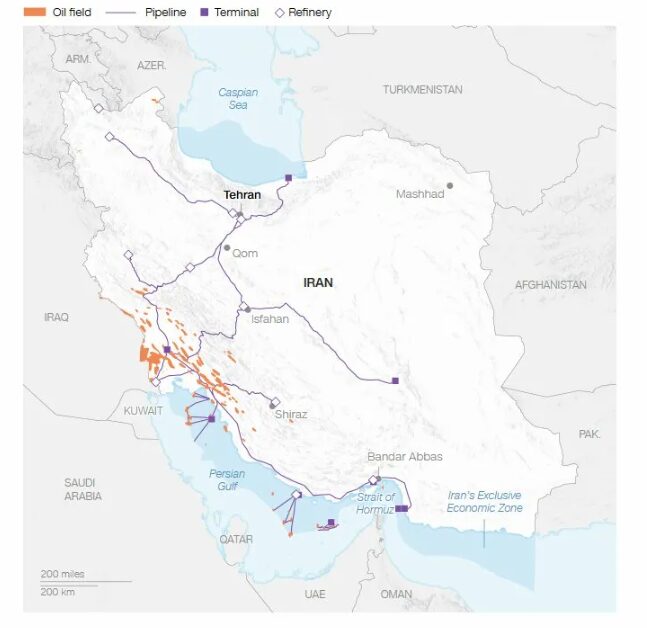
Source: S&P Global Energy / CNN
No Quick Fix in Sight
Christian Bueger, a professor of international relations at the University of Copenhagen, told Al Jazeera:
For the shipping industry right now, it’s impossible to go through the Strait of Hormuz. And if there are not stronger signals in the near future that they can at least try to go through the strait, then we are looking at a major shipping crisis, which can last weeks if not months.
Energy analyst Aldandeni also weighed in on what the reserve release can and cannot do:
The release may soften the shock and calm nerves temporarily, but it will remain limited as long as the fundamental problem — the freedom of supply and tanker movement through Hormuz — remains unresolved.
The Iran war energy crisis has also rattled central banks. The ECB postponed its planned rate cuts and raised its 2026 inflation forecast, and the Federal Reserve Bank of Dallas projects the Iran war energy crisis could cut global real GDP growth by an annualized 2.9 percentage points in Q2 alone. Oil prices throughout the Iran war remain dangerously elevated right now, and the Iran war energy crisis keeps pushing the global economy toward territory it hasn’t seen in decades.
