Iran Threatens to Block Hormuz Tankers Unless Oil Is Sold in Chinese Yuan

Iran is reportedly considering a dramatic move to undermine the petrodollar by allowing oil tankers to pass through the critical Strait of Hormuz only if payments are made in Chinese yuan, according to a CNN report. This potential escalation in the ongoing US-Iran conflict directly targets the dollar's dominance in global energy markets and signals a major geopolitical shift toward alternative financial systems.
Iran’s Yuan Payment Fantasy
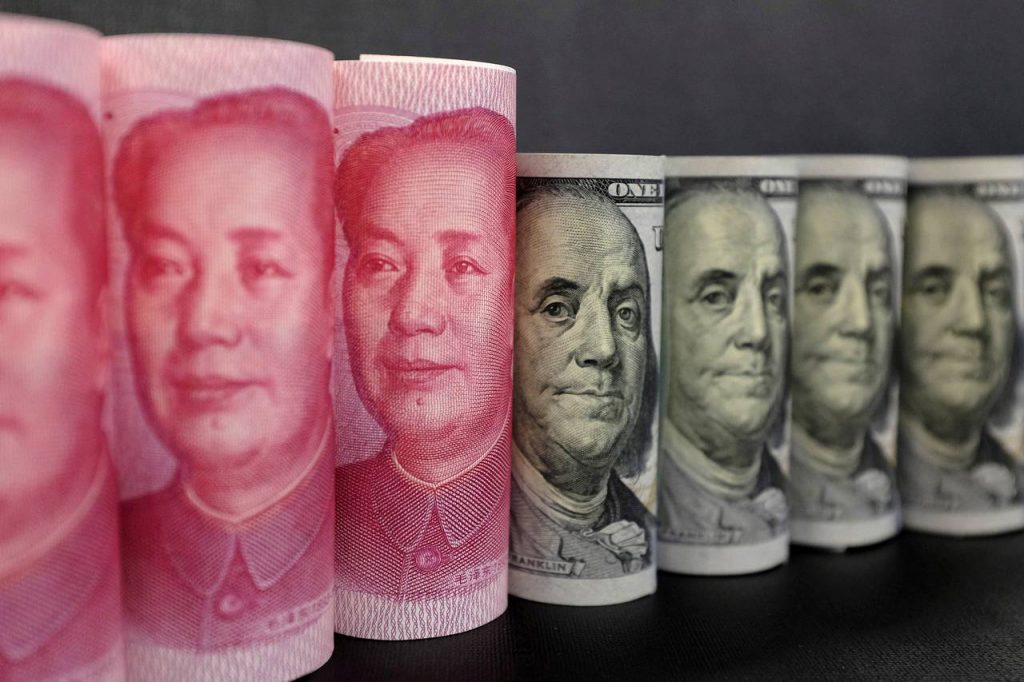
As per the latest CNN report, a senior Iranian supreme official told the media outlet that Iran may consider passing limited oil tankers if the payments are being made in the Chinese yuan instead of the US dollar. At present, Iran is controlling the Strait of Hormuz, considering various options for allowing ships and cargo to pass through the narrow passageway. There is speculation that Iran may request the chinese yuan rather than dollars for certain oil transactions.
This development has propelled Chinese analysts to weigh in on the downsides, urging caution in the process.
Another leading analyst told SCMP how this particular action can trigger a politicized dynamic, in which countries choosing to pay in yuan may have to suffer the wrath of the US and Israel.
BREAKING: Iran may allow oil tankers to pass through the Strait of Hormuz if the oil is traded in Chinese Yuan instead of US Dollars.
— The Kobeissi Letter (@KobeissiLetter) March 14, 2026Hormuz Open To Any Country Except the US and Israel
The latest post by the Kobeissi Letter weighs in on Iran’s foreign minister’s statement on allowing the country’s oil tankers to pass Hormuz except those of Israel and the US. This would particularly lead China and India to restore 7M barrels of oil supply in a single day, shifting narratives.
There are widespread reports on Iran allowing "any country aside from the US and Israel" to pass through the Strait of Hormuz.
If this is true, China and India alone will be able to restore nearly 7 million barrels of oil supply PER DAY.
In other words, ~39% of the 18 million…
