Gulf Tensions Escalate: India’s Trade, Energy Security, and BRICS Leadership Face Ultimate Stress Test

Geopolitical fault lines in the Gulf are widening—and India's economic fortress is feeling the tremors. This isn't just about oil prices; it's a full-spectrum assault on the nation's trade corridors, energy blueprints, and its hard-won seat at the BRICS high table.
The Triple Threat to India's Economic Engine
Forget stable supply chains. Prolonged instability scrambles maritime routes, jacks up insurance costs, and throws a wrench into export-import machinery. The real kicker? Energy imports get caught in the crossfire, threatening to derail growth projections and send inflation into overdrive. Every day of uncertainty is a direct hit to the balance sheet.
BRICS at a Crossroads: Unity or Fragmentation?
Here's where it gets spicy. India's role in BRICS was meant to be a shield against Western financial dominance—a multipolar dream. But sustained Gulf chaos pits member interests against each other, testing the bloc's cohesion. Can India broker stability, or will it get pulled into competing orbits? The bloc's relevance hinges on navigating this storm without cracking under pressure.
The Cynical Finance Jab
Meanwhile, traditional finance giants are probably placing hedges on both sides of the conflict—because why solve a crisis when you can profit from the volatility? Some things never change.
The bottom line: India's response won't just define its economic resilience; it will signal whether emerging markets can truly rewrite the rules of global stability—or remain hostages to geography.
India Gulf Tensions Threaten Energy Security, Oil Imports, Trade, and BRICS
A Strait That Has Nearly Stopped Moving
At the core of the India-Gulf tensions crisis sits the Strait of Hormuz, a narrow waterway between Iran and Oman that ordinarily handles close to 20% of global oil supply. On March 1, only three tankers carrying around 2.8 million barrels managed to cross — against a daily average of nearly 20 million barrels earlier in 2026. Around 706 tankers are stacked on both sides of the strait at the time of writing.
India holds an estimated 100 million barrels in strategic and commercial reserves. That’s enough to cover roughly 40 to 45 days of Hormuz-dependent supply. That is also not a comfortable buffer for a country that spent $137 billion on crude imports in fiscal year 2024-25. QatarEnergy declared force majeure after a drone strike hit Ras Laffan, cutting off a supplier that accounted for close to 39% of India’s LNG imports in 2024 — all of it offline at the moment.
Go Katayama, principal insight analyst at Kpler, stated:
“More than half of its LNG imports are Gulf-linked, and a significant share is Brent-indexed, so a Hormuz-driven crude spike would simultaneously lift oil import costs and LNG contract prices. That creates a dual physical and financial shock.”
Pankaj Srivastava, senior vice president at energy research firm Rystad Energy, also noted:
“A few dollars’ increase in [oil] prices can materially affect [India’s] energy economics.”
Russia Back in the Picture — But on Moscow’s Terms
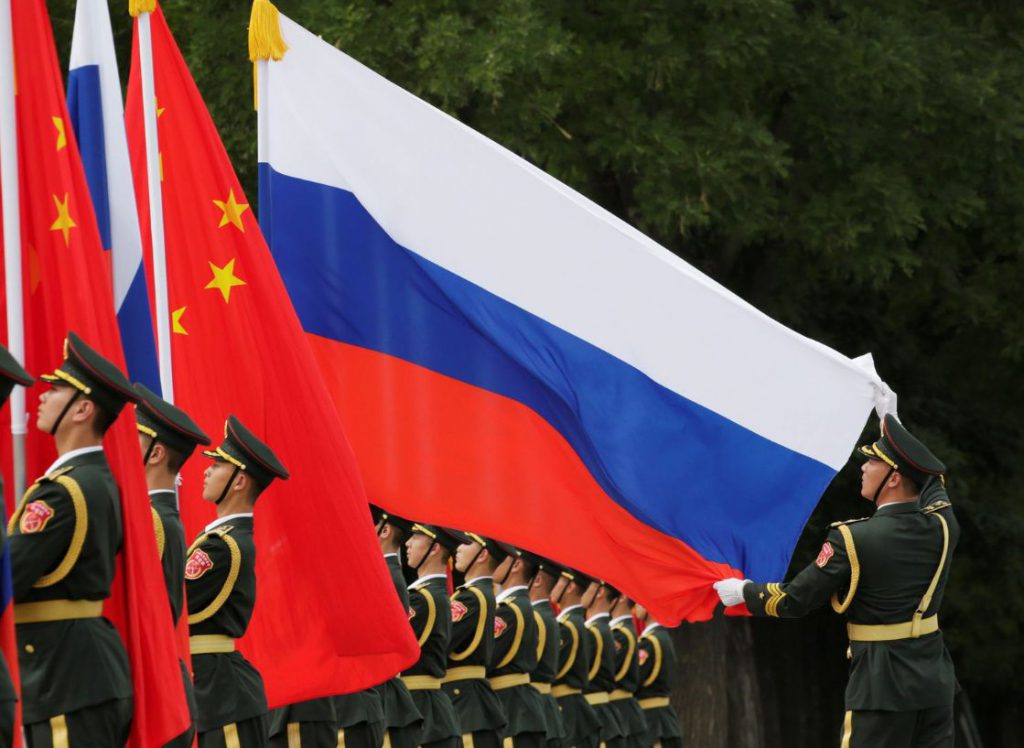
India-Gulf tensions have also forced a sharp reversal on oil sourcing. India’s imports of Russian crude had dropped from 1.85 million barrels per day in November 2025 to around 1.06 million b/d by February 2026 — partly driven by the US-India trade deal that included a commitment to reduce Russian purchases. That deal is now being quietly set aside. According to Bloomberg and ship-tracking data from Kpler and Vortexa, at least three tankers carrying Russian oil have already diverted to Indian ports this week.
Ellen Wald, president of Transversal Consulting, told CNBC:
“It is bad timing for India. India’s oil purchases will be under the microscope.”
A government source, meanwhile, told reporters:
“We are reasonably confident that if one source closes, another window will open.”
BRICS, Remittances, and Trade Under Pressure
The Gulf crisis impact goes well beyond fuel. Around 9 to 10 million Indians work across the Gulf, sending home roughly 38% of India’s total remittances — an annual inflow of $49 to $52 billion, and one of the clearest signs of how deeply India-Gulf tensions cut into ordinary household finances. States like Kerala, Punjab, and Bihar are heavily exposed if workers are forced to leave.
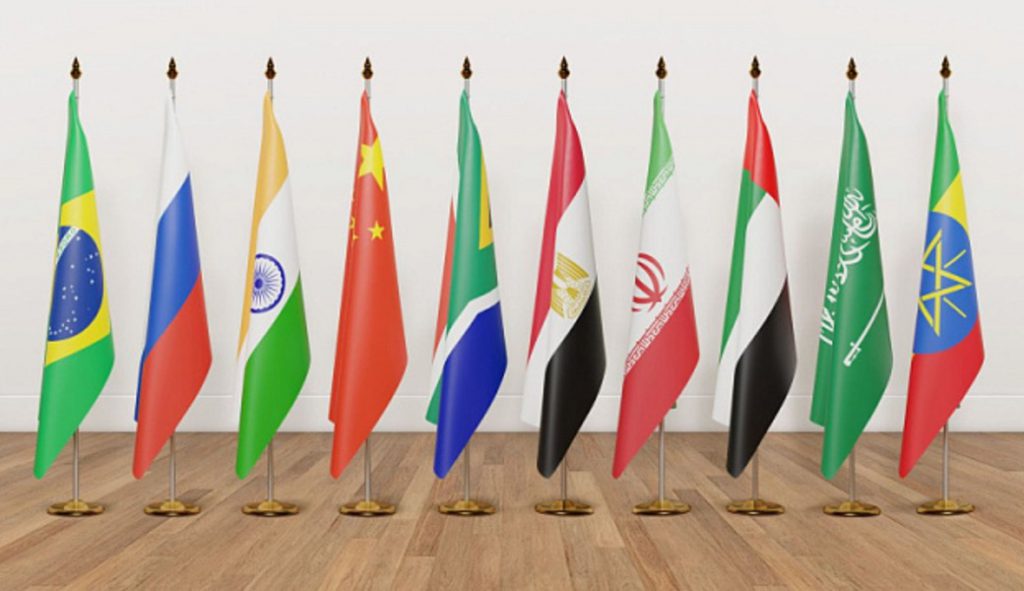
India-Gulf tensions are also straining the country’s BRICS trade agenda at the worst possible moment. As BRICS chair, India is scheduled to host the Summit later this year. Iran — a BRICS member — is now in open conflict with two others, the UAE and Saudi Arabia. Progress on the India-Middle East-Europe Economic Corridor, a key pillar of India’s BRICS trade strategy, is frozen. Free trade agreement talks with the GCC and Israel are also on hold. Even more, the existing FTAs with the UAE and Oman are under pressure.
A Diplomatic Miscalculation With Real Consequences
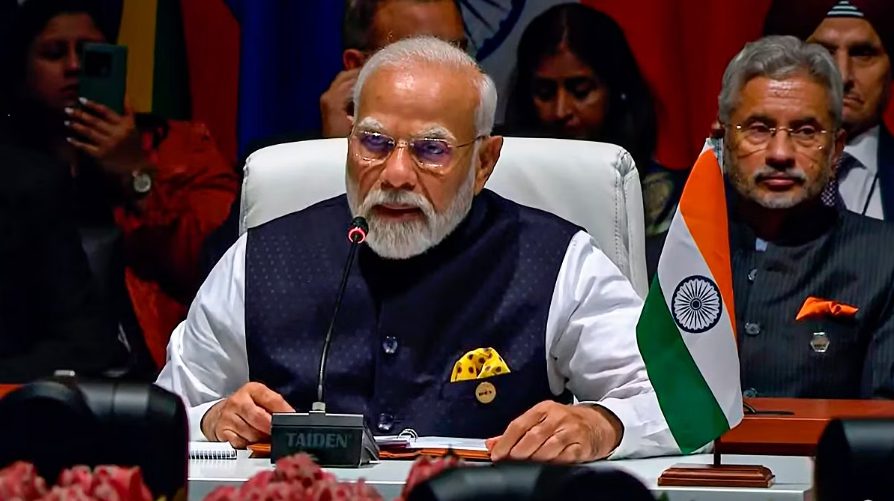
The diplomatic dimension of the ongoing crisis adds another layer. Prime Minister Modi visited Israel on February 25-26 and said:
“India stands with Israel, firmly, with full conviction, in this moment, and beyond.”
A former Indian ambassador was blunt:
“PM Modi’s visit to Israel was wrongly timed and has completely ripped India off its neutrality. We are seen in the Israeli corner.”
