Housing Crisis Deepens: US Home Sales Plunge Over 8% - What’s Next for Traditional Finance?

Another pillar of legacy finance shows cracks. While traditional housing markets tank, digital assets continue building their own foundations—untethered from interest rates, mortgage approvals, and the whims of central bankers.
The Old Guard Stumbles
The numbers don't lie. An 8%+ drop in home sales isn't a correction; it's a signal. It's the sound of a rigid, permissioned system straining under its own weight. Compare that to the 24/7 global liquidity of crypto markets, where asset transfer is a wallet-to-wallet affair, bypassing escrow, title companies, and months of paperwork.
Liquidity, Redefined
Real estate's illiquidity is a feature, not a bug—for banks. They profit at every step: the loan origination, the decades of interest, the brokerage fees. A housing slowdown locks capital in place, trapping wealth in stagnant bricks and mortar. Digital assets? They move at the speed of the internet. Your portfolio's value isn't tied to the school district or the local housing inventory.
A Provocative Parallel
Think of it this way: the housing market is a government-managed database with terrible UX and insane transaction fees. Blockchain is the decentralized, open-source alternative. One is controlled; the other is owned. The current crisis highlights the fragility of the former and the resilient logic of the latter.
Final thought: The 'safe' investment of a generation is looking risky. Meanwhile, the so-called 'risky' digital assets are busy creating a parallel financial system that doesn't ask for your credit score or care about your down payment. Maybe true security isn't about owning a plot of land, but about owning your keys.
No Housing Crisis Among the Affluent: Home Sales Rise Among $1 Million or More Pricing
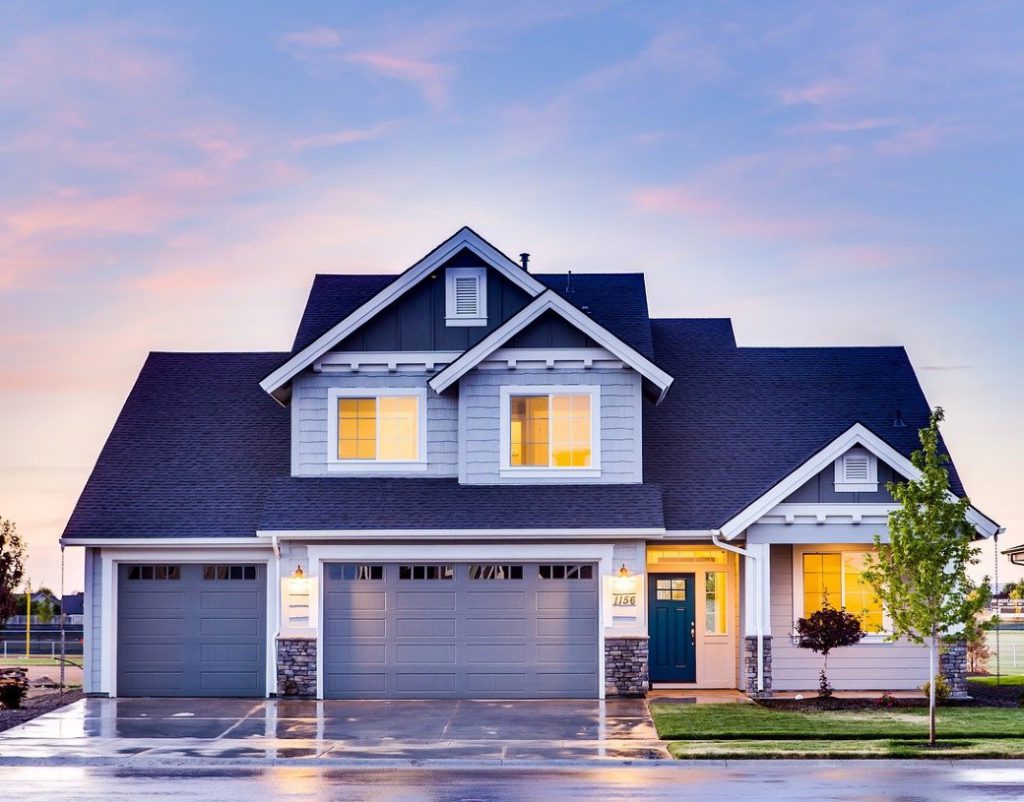
While home sales are down for housing below $1 million, pointing towards a housing crisis, the affluent can afford houses costing more than $1 million, and demand remains strong. The only price segment that is positive compared to last year is the $1 million-plus range. The development indicates the widening gap between the working class and the affluent in the US.
