US-China Tensions Ignite Academic Revolt: De-Dollarisation Accelerates in Chinese Universities

Geopolitical friction sparks intellectual currency rebellion.
Inside China's Ivory Tower: The Dollar's Diminishing Dominance
Forget dusty textbooks—the real syllabus shift is happening in finance departments and policy institutes. As US-China relations fray, a quiet but deliberate pivot away from the greenback is gaining academic momentum. Professors aren't just teaching economic theory; they're actively modeling a post-dollar world.
Research papers now dissect currency diversification, while international trade seminars bypass SWIFT to explore blockchain-based alternatives. It's a calculated, intellectual de-risking—turning geopolitical tension into a live case study for monetary sovereignty.
The movement cuts deep, shifting graduate theses and funding priorities toward multipolar finance. Think less political manifesto, more hard-nosed contingency planning. After all, why bet the future on a system where the rulebook can be rewritten by your biggest rival?
This isn't just theory—it's a blueprint for financial decoupling, drafted one peer-reviewed paper at a time. The ultimate lesson? In global finance, the smartest hedge isn't always in the markets; sometimes, it's in the curriculum. A cynical take? Wall Street still bets on quarterly earnings, while academia quietly hedges the entire century.
China’s Researchers Are Now Aggressively Studying De-Dollarization
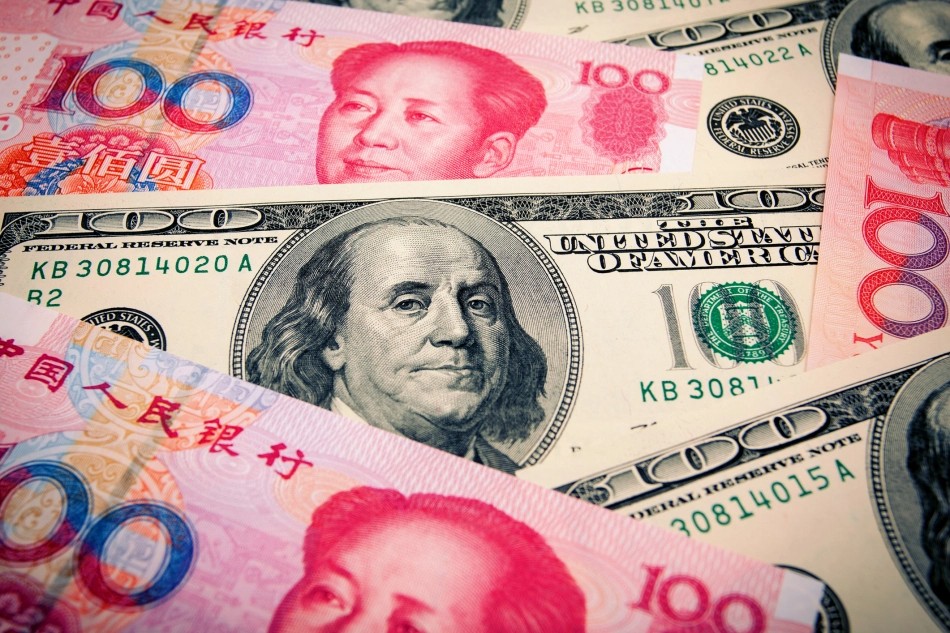
A recent SCMP report brought forth an interesting analysis, which includes how the concept of de-dollarization has now penetrated deep into Chinese academia. The report outlined how de-dollarization has become a trending topic among Chinese researchers, with academic data on de-dollarization rapidly surging at a record pace. Statistically, the research papers on de-dollarization have nearly doubled between 2023 and 2025, a search by the South China Morning Post on China National Knowledge Infrastructure later concluded.
These new papers are urging the world to decrease its reliance on the USD. With the US dollar weaponization and trade war narratives gaining pace, these research materials are adding more to the de-dollarization drive, stating how China should figure out alternative ways to decrease exposure towards the USD.
In a brand-new scenario, the dean of Chongyang Institute, Wang Wen, shared how China should work on a new system. This system should help keep the dollar in the center, while being supplemented holistically by “other currencies”.
Is De-Dollarization Real?
The US is now experiencing a crucial moment, where calls to reduce US dollar exposure have gained significant momentum. China is currently busy dumping the US Treasuries. Alongside that, the BRICS nations are uniting to cut reliance on the USD. Together, these moves point to a brewing de-dollarization narrative.
However, despite the odds, the USD remains the top currency. It continues to dominate global trade narratives at present.
But the fact that the US dollar is now at a quite vulnerable stage cannot be denied anymore.
Most people don't realize what TRUMP just said:
For 12+ months, the US Dollar has been in a sharp decline, falling -10% in 2025 in its worst year since 2017.
Minutes ago, for the first time, President Trump commented on the decline in the USD:
"The value of the Dollar is… pic.twitter.com/qTORxvmg3H
