Earned Income Tax Credit Delays: Is Your Refund Stuck in Government Purgatory?

Tax season just got a new plot twist—and it's not a pleasant one for millions counting on their refund. The Earned Income Tax Credit (EITC), a critical lifeline for low-to-moderate-income workers, is facing processing delays that could freeze refunds for weeks. Here's what's happening under the hood.
The Glitch in the System
Internal processing snags at the IRS—paired with outdated verification protocols—are creating a bottleneck. The system isn't broken; it's just moving at the speed of government. Refunds tied to the EITC and the Additional Child Tax Credit now face mandatory holds, pushing typical "fast" refund timelines into a waiting game that benefits nobody but the Treasury's short-term cash flow.
Why Your Money's in Limbo
Blame it on fraud prevention measures that haven't evolved. The IRS cross-checks W-2 and 1099 data against claims, but the manual review triggers are archaic. While crypto transactions get near-instant settlement on-chain, the federal refund pipeline still relies on batch processing that would make a 1990s programmer cringe. The delay isn't a bug—it's a feature of a system designed to hold onto your money as long as legally possible.
The Real Cost of Waiting
For families living paycheck-to-paycheck, a delayed refund isn't an inconvenience—it's a crisis. It means deferred car repairs, missed bill payments, or another month of credit card debt accruing 25% APR. Meanwhile, that same capital, if deployed in even a basic stablecoin yield protocol, could generate actual returns instead of gathering bureaucratic dust. But that would require financial sovereignty—something the current tax infrastructure actively discourages.
The Bottom Line
If you claimed the EITC, brace for a longer wait. Double-check your filing details, but don't expect calling the IRS to speed things up. The system is built for compliance, not convenience. In an era where decentralized finance offers 24/7 settlement, the fact that we still accept "6-8 weeks" as reasonable for accessing our own money is the most cynical finance joke of all—and you're not laughing.
Understand IRS Tax Refunds and Earned Income Tax Credit Delays
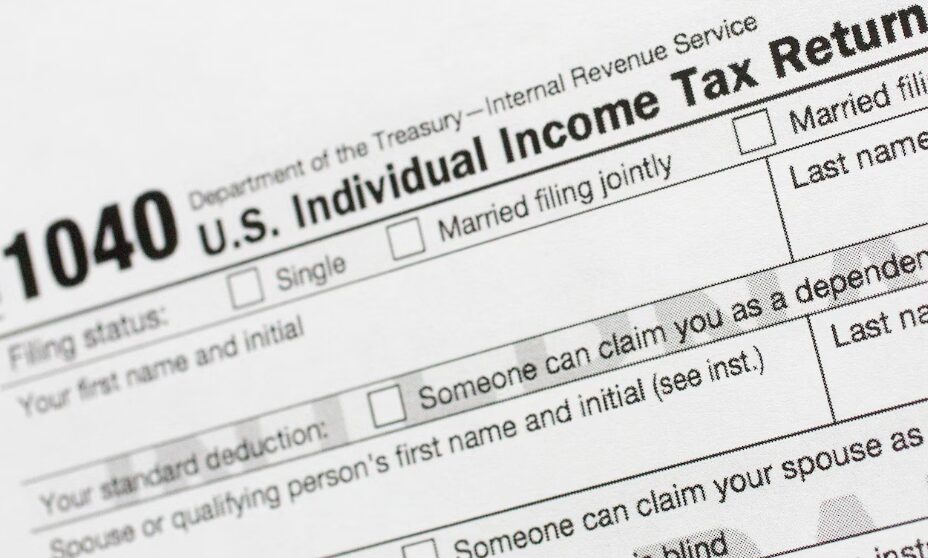
The Earned Income Tax Credit Delay Timeline
By law, the IRS cannot process refunds for the earned income tax credit delay before February 21, 2026. IRS Chief Executive Officer Frank Bisignano stated:
Most taxpayers who claimed the earned income tax credit 2026 benefits and chose direct deposit should expect their refunds by March 2, assuming no other issues exist with their returns. The Where’s My Refund tool will be updated with projected deposit dates by February 21 for early EITC filers, and this has become the primary way to check IRS tax refunds status throughout the season.
New Direct Deposit Requirements
A new executive order signed in March 2025 has changed how IRS tax refunds are issued this year. Direct deposit is now being required to receive refunds, though paper checks will still be issued as a last resort during the phase-in period. The IRS was clear about the fact that:
For taxpayers missing direct deposit information, the IRS will send letters requesting banking details within 30 days. If there’s no response and no other issues, refunds will be released as paper checks after six weeks.
What to Do Right Now
Understanding how the earned income tax credit explained works can help you avoid delays. Taxpayers should provide accurate bank information when filing and review their account details to ensure everything is current. The earned income tax credit delay affects timing, but also choosing electronic payment options and monitoring your IRS tax refunds status regularly through the IRS portal will keep you informed about when to expect your money.
