BRICS Trade Bloc Shatters Records: Annual Turnover Surpasses $1 Trillion Milestone

Forget the old guard—a new economic axis just flexed its financial muscle.
The De-Dollarization Engine Revs Up
That $1 trillion figure isn't just a number; it's a statement. It represents a tectonic shift in global trade flows, moving steadily away from traditional Western financial corridors. The bloc's push for local currency settlements is gaining serious, quantifiable traction.
Liquidity Finds New Pathways
Capital is pragmatic—it flows where friction is lowest. As these trade corridors expand, they create parallel liquidity pools and settlement systems. This isn't merely about politics; it's about building infrastructure that bypasses legacy bottlenecks, offering a glimpse into a more multipolar financial architecture.
The Crypto Angle: Digital Bridges in a Fragmenting World
Here's where it gets interesting for digital assets. How do you efficiently settle a $1 trillion-plus ecosystem spanning multiple currencies and jurisdictions? Traditional correspondent banking looks increasingly like a relic. The inherent demand for seamless, borderless value transfer is a tailwind for blockchain-based solutions—whether for trade finance, cross-border payments, or reserve asset innovation. Central Bank Digital Currencies (CBDCs) within the bloc could become the testing ground the crypto thesis has been waiting for.
The old system had one golden rule: follow the dollar. The new playbook? Follow the trade—and watch where the liquidity pools. After all, Wall Street always monetizes the trend, even the ones that threaten it.
BRICS Economic Growth And Global Trade Power Shift
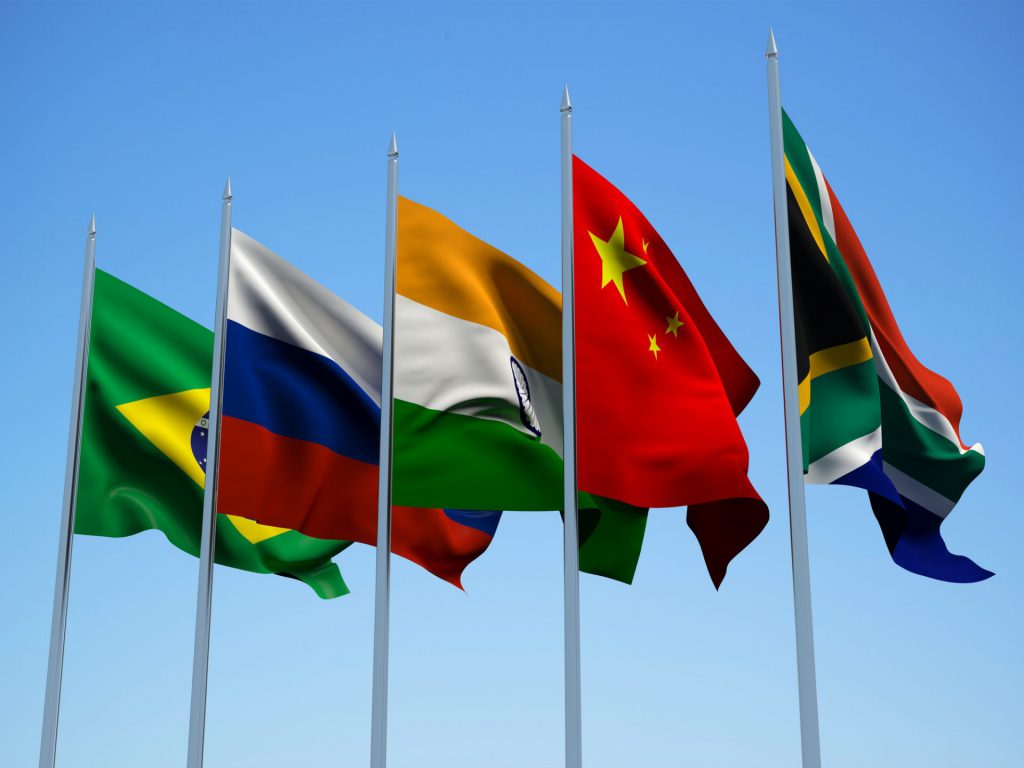
Experts are seeing the record-breaking BRICS trade turnover as a result of unique economic complementarity among member nations, and also through strategic integration. They have called this development “,” according to reports from TV BRICS. The BRICS expansion impact became evident and visible as new members—including the UAE, Ethiopia, Iran, and Egypt—integrated into the bloc’s established trade networks at the time of writing. This BRICS global trade shift reflects broader changes in how emerging economies are coordinating their commercial relationships.
Brazilian President Luiz Inácio Lula da Silva emphasized the significance of the bloc’s trade performance at the BRICS Business Forum, stating:
“In 2023, based on the most recent available data, intra-BRICS trade reached approximately USD 1 trillion—accounting for 20% of the bloc’s total exports and 30% of its aggregate imports. Accordingly, strengthening cooperation is deemed essential to advancing productive integration.”
Member Nations Drive Record Trade Integration
China remained the dominant force within the group at the time of writing, accounting for approximately 64% of the bloc’s overall exports, and also maintaining strategic leadership across various major sectors. India registered landmark achievements with total external trade hitting US$825.25 billion for the fiscal year. Russia’s bilateral trade with China alone accelerated beyond the US$200 billion mark for the third consecutive year in 2025, and its trade with the BRICS bloc specifically grew to roughly US$399 billion by late 2024. These individual contributions combined to push the overall BRICS trade turnover past the trillion-dollar threshold, pioneering certain critical benchmarks.
The comparison between BRICS vs G7 economy now reveals widening differences in growth trajectories and also in overall economic momentum. The BRICS+ share of global GDP at purchasing power parity reached approximately 39.2% by late 2025, and this continues to surpass the G7’s declining portion in the global economy. Economists are projecting the BRICS economic growth rates at around 3.8% for 2025—which is more than triple the G7’s projected 1.1% growth rate, and this continues to surpass the G7’s declining portion in the global economy.
BRICS Global Trade Shift Challenges Traditional Powers
President Lula also addressed the broader implications of this ongoing BRICS global trade shift when he spoke about the role emerging economies should play, declaring:
“In the wake of rising protectionism, it is incumbent upon emerging nations to uphold the multilateral trading system and pursue reform of the international financial architecture. BRICS continues to serve as guarantor of a promising future. The fight against inequality reinforces consumer markets, stimulates trade, and drives investment.”
Future Growth Projections Show Widening Gap

The massive BRICS trade turnover milestone signals something bigger than just trade figures—it’s also reflecting a fundamental restructuring of international economic relationships and established trade patterns. The BRICS expansion impact extends into areas such as logistics infrastructure, digital economy development, and also regional connectivity initiatives that partners have prioritized moving forward.
The gap between BRICS vs G7 economy performance is expected to widen further by 2028, with projections showing BRICS trade turnover continuing its upward trajectory. The bloc now represents roughly 45% of the world’s population and controls over 40% of global oil production following its 2024 expansion. As new members continue integrating and existing partners deepen commercial ties, the BRICS trade turnover influence on international trade patterns is expected to expand even more in the coming years.
