Morgan Stanley Exposes BRICS’ Dollar Challenge: The Real Threat to US Currency Dominance

The greenback's reign faces its most credible threat yet—and it's not coming from where Wall Street expected.
The BRICS Bloc's Quiet Revolution
Forget speculative crypto chatter or fleeting trade deficits. The structural challenge to dollar hegemony is materializing through coordinated, state-level action. The BRICS coalition—Brazil, Russia, India, China, and South Africa—is methodically constructing financial infrastructure designed to operate outside the traditional dollar system.
They're building payment networks that bypass SWIFT, establishing currency swap lines that sidestep the Fed, and hoarding gold to back alternative reserve assets. This isn't a sudden revolt; it's a calculated, long-term decoupling.
Why This Time Is Different
Previous dollar challengers, from the Euro to the Yuan, lacked the collective scale and geopolitical alignment to mount a serious challenge. BRICS represents over 40% of the global population and a quarter of world GDP. Their combined economic heft, coupled with shared strategic interests in reducing dollar dependency, creates a foundation previous aspirants couldn't match.
The move isn't about ideology—it's about pragmatism. Reducing transaction costs, insulating against US monetary policy shocks, and gaining sovereignty over financial flows are powerful incentives. It’s the ultimate hedge against geopolitical friction.
The Digital Wildcard
While BRICS nations develop traditional alternatives, the parallel rise of blockchain-based finance adds a disruptive layer. Digital currencies, both central bank-issued and decentralized, could accelerate the fragmentation of the global monetary order. They offer a technical pathway to settle trade without touching the dollar corridor—a prospect that makes legacy bankers sweat more than their morning espresso.
This convergence of geopolitical strategy and financial technology creates a perfect storm. The old guard is betting on inertia, but the new players are rewriting the rulebook in real-time.
The dollar won't collapse tomorrow. But its monopoly is eroding—one bilateral agreement, one gold-backed token, and one cynical move to avoid US scrutiny at a time. The real question isn't if the challenger arrives, but how fast the financial world adapts to a system where the dollar is first among equals, not the undisputed king. After all, in high finance, the most dangerous competitor is the one you dismissed as a non-threat until it was too late.
BRICS: Morgan Stanley on the US Dollar’s Biggest Challenger
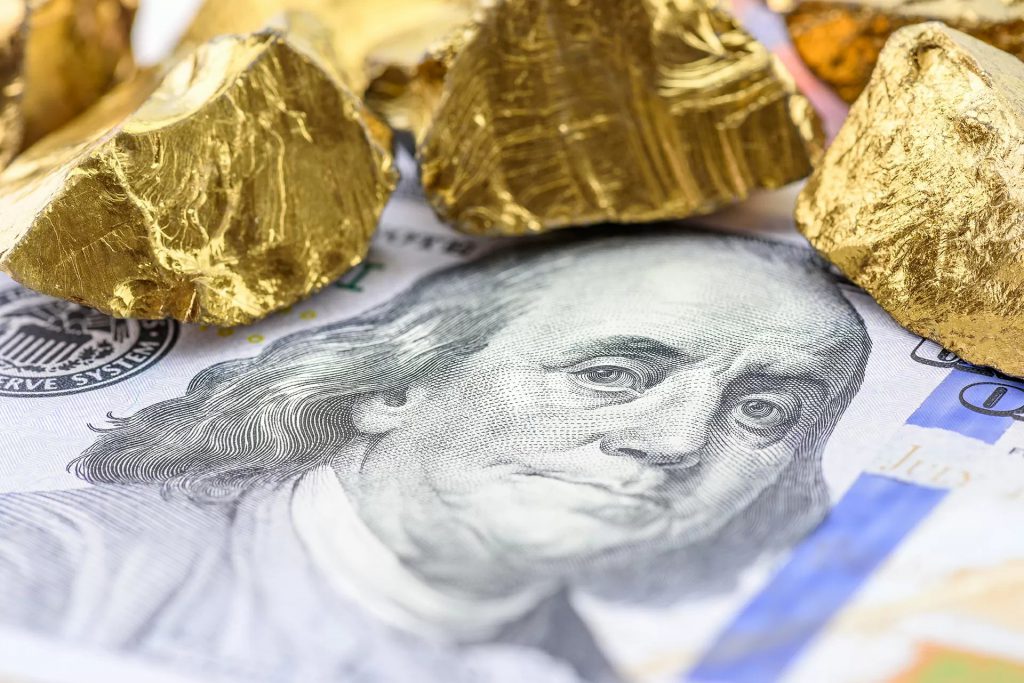
Amid the growing BRICS de-dollarization efforts, Morgan Stanley wrote that gold is the “biggest challenger” to the US dollar.it said.
Morgan Stanley noted that gold is being accumulated by BRICS immensely to take on the US dollar’s dominance. The BRICS alliance is the largest purchaser of gold since 2022, after the US imposed sanctions on Russia. Countries such as China, Russia, India, and South Africa have been steadily buying the precious metal.
BRICS is now diversifying their central bank reserves with gold instead of the USD, noted Morgan Stanley. The US dollar-denominated assets are losing steam as emerging economies turn towards high-value yet safer commodities. The BRICS bloc has increased its gold reserves by over 30% in the last five years.
Not just BRICS, Trump’s Greenland push is also making Europe reconsider its support for the USD, wrote Morgan Stanley. French President Emmanuel Macron gave a speech in Davos calling for Europe to
