What the Future Holds For the US Dollar: The Digital Challenge

The greenback's throne is getting wobbly.
The Rise of the Digital Challengers
For decades, the US dollar reigned supreme as the world's reserve currency. Central banks hoarded it, global trade flowed through it, and its strength was considered a geopolitical constant. That unshakable faith is now facing its most potent test yet—not from another nation-state, but from lines of code and decentralized networks.
DeFi: Cutting Out the Middleman
Decentralized finance protocols are quietly building a parallel financial system. They bypass traditional banks for lending, let users earn yield directly from their digital wallets, and settle cross-border transactions in minutes, not days. This isn't just a tech experiment; it's a direct challenge to the dollar's role as the primary medium for global capital flows. Why wait for a SWIFT transfer when a stablecoin transaction settles almost instantly?
Bitcoin: The Digital Gold Standard
Meanwhile, Bitcoin continues its march as a non-sovereign store of value. Institutional adoption turns from a trickle into a steady stream, with balance sheet allocations becoming a standard talking point for forward-looking CFOs. It doesn't replace the dollar for daily coffee purchases, but it competes directly with the dollar's function as a long-term vault for wealth—especially in economies facing currency debasement. The narrative has permanently shifted from 'internet magic money' to 'digital gold.'
The Stablecoin Surge and the CBDC Wildcard
The most immediate friction point comes from dollar-pegged stablecoins. These digital tokens, backed by real dollars in a bank, are becoming the lifeblood of the crypto economy and are increasingly used for remittances and trade. They export dollar utility without requiring a US bank account. In response, over 100 countries are now exploring Central Bank Digital Currencies (CBDCs). The race isn't to copy crypto's decentralization, but to digitize national currency sovereignty before it gets eroded.
A Future of Coexistence—Or Competition?
The dollar isn't disappearing tomorrow. Its network effect, military backing, and deep capital markets provide a moat wider than any other currency. But its monopoly is over. The future points toward a multi-currency and multi-asset world, where digital natives hold a basket of sovereign and non-sovereign assets. The dollar will likely remain first among equals, but it will have to work harder, share the stage, and perhaps even learn a few tricks about efficiency from its digital rivals. After all, nothing inspires innovation like the threat of obsolescence—just ask any legacy bank that still charges $50 for an international wire while pretending it's a valuable service.
What Next for the US Dollar and Can the Currency Survive the onslaught?
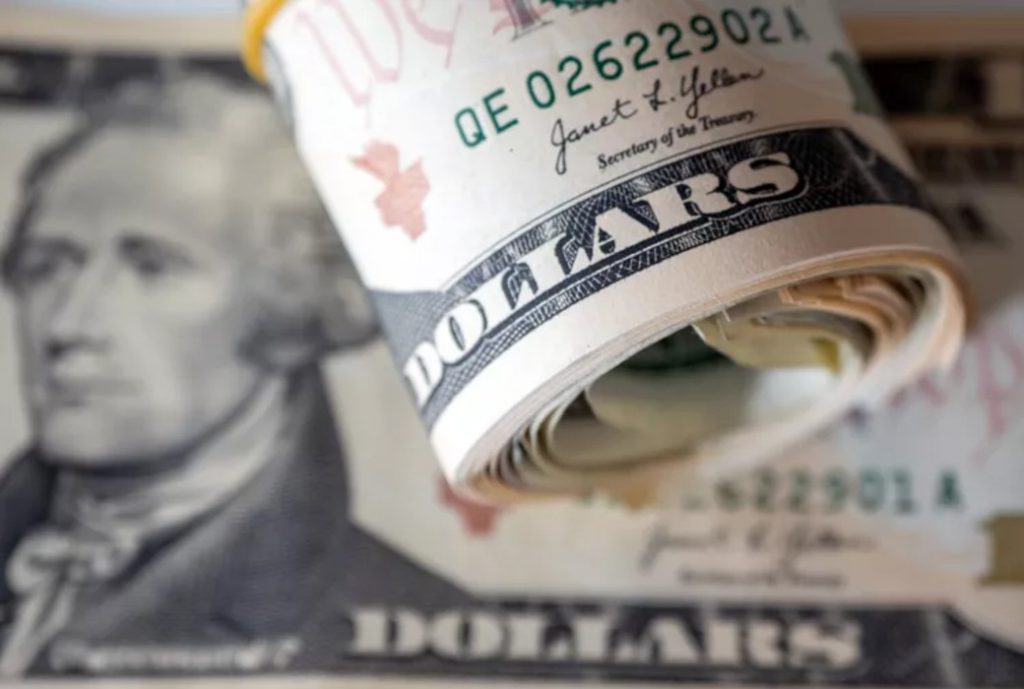
The future of the US dollar’s dominance is best described as evolution, and not a collapse. The USD will likely remain the world’s most important currency for the foreseeable future. However, it may operate in a more multipolar financial system, where multiple currencies and payment systems coexist. The greenback will have to share space with other leading local currencies and not be the single most important currency.
The global financial system is changing slowly, unevenly, and quietly. The US dollar is still king, but it no longer commands trust without being questioned. Instead of a dramatic fall, the real story is about how the US dollar will adapt to a world that is becoming more fragmented, digital, and geopolitically complex.
Technology, geopolitics, and economic policy are the main reasons for this transition to take place. If the US maintains financial stability, open markets, and global trust, the dollar’s position will remain strong. If not, alternatives will gradually gain ground. Tariffs and trade wars initiated by TRUMP have already done damage among allies and foes.
In that sense, the future of the US dollar’s dominance is not about losing power overnight, but about sharing space in a changing global order. Another currency could come close to the greenback, gaining the same trust. In conclusion, the US dollar will remain a dominant currency, but will see many more peers sharing the stage along with it.
