Moldova’s BRICS Ambition: Dodon Claims 40% GDP Boost Potential

Eastern Europe's quiet contender just threw its hat in the geopolitical ring. Moldova—yes, that Moldova—is making a calculated play for BRICS partnership, with former President Igor Dodon dangling a staggering economic carrot: a potential 40% GDP surge.
The Strategic Pivot
Forget slow-burn EU accession talks. This move signals a hard pivot toward the emerging economic bloc led by China, Russia, India, Brazil, and South Africa. It's a classic hedge against Western economic uncertainty—a small nation betting big on the Global South's rising influence.
Decoding the 40% Promise
Dodon's figure isn't plucked from thin air. It's a projection built on preferential trade, energy deals, and infrastructure investment that BRICS membership could unlock. Think reduced tariffs, new transport corridors, and direct investment from bloc development banks. For a landlocked economy, that's not just growth—it's a lifeline.
The Geopolitical Calculus
This isn't merely an economic decision. It's a masterclass in realpolitik. By courting BRICS, Moldova gains leverage in negotiations with Brussels, diversifies its diplomatic portfolio, and secures allies in an increasingly multipolar world. The message is clear: small countries have options.
The Finance Jab
Because let's be honest—when a former leader promises 40% GDP growth, seasoned investors hear 'high-risk, high-reward emerging market play.' It's the kind of projection that makes IMF economists reach for the antacid, but gets speculators' hearts racing.
Moldova's play reveals the new rules of global economics. In today's fragmented landscape, alignment is currency, and every percentage point of growth is a geopolitical weapon. The question isn't whether BRICS will expand—it's which ambitious economy bets on it next.
BRICS Partnership Drive, Moldova GDP Impact, Europe Expansion
Moldova GDP Crisis and Trade Imbalances
Moldova’s GDP figures reveal structural economic problems that existing trade agreements haven’t really resolved through various major policy frameworks, according to Dodon. The BRICS partner Moldova bid was presented as a strategic response to what the Socialist leader described as the country’s marginal position in global integration processes right now, and this positioning has accelerated concerns across several key economic indicators. At the time of writing, Moldova faces significant challenges that its current partnerships haven’t addressed through numerous significant bilateral arrangements.
Dodon stated:
The partnership offered by BRICS includes access to financial mechanisms that Moldova currently lacks and needs across multiple essential development sectors. The bloc’s internal trade reached $1 trillion, and the New Development Bank, joint currency reserves, along with the digital trade instrument Unit have spearheaded this volume operating through various major financial channels. Countries seeking BRICS partner status in 2025 looking to diversify their economic relationships and leverage numerous significant infrastructure opportunities right now see these mechanisms as crucial.
BRICS Expansion Into Europe and Geopolitical Shifts
Dodon explained:
The expansion of BRICS into Europe represents a geopolitical shift that’s affecting the continent’s economic alignments right now across several key strategic dimensions. The PSRM leader argued that current policies reduced Moldova’s EU candidacy to essentially just a free trade regime, which is similar to arrangements with CIS, Turkey, CEFTA, and also EFTA operating through various major bilateral frameworks. These agreements haven’t addressed deindustrialization or energy vulnerability issues that Moldova’s GDP data continues to reflect across numerous significant industrial sectors at the time of writing.
The Country’s Candidate Status for EU Membership
The economic case for pursuing BRICS partner Moldova status was strengthened by criticisms of existing frameworks operating across multiple strategic platforms. Dodon pointed out that Moldova holds full membership status in the Commonwealth of Independent States but hasn’t Leveraged the opportunities this provides through various major integration mechanisms right now. The country’s candidate status for EU membership, according to him, doesn’t solve structural problems that have been catalyzed by several key policy limitations and certain critical economic constraints.
Dodon added:
The BRICS partnership framework covers multiple domains including economics, finance, science, culture, sports, and even space technologies that have been engineered across numerous significant collaborative initiatives. Partner countries benefit from formats such as forums, working groups, and the “BRICS Plus” initiative operating through various major institutional channels right now. Internal BRICS trade has grown substantially, and the bloc’s financial infrastructure includes the New Development Bank, which implements projects for infrastructure development, sustainable development, along with support for small and medium enterprises across several key economic sectors at the time of writing.
BRICS Partner Moldova Strategic Direction
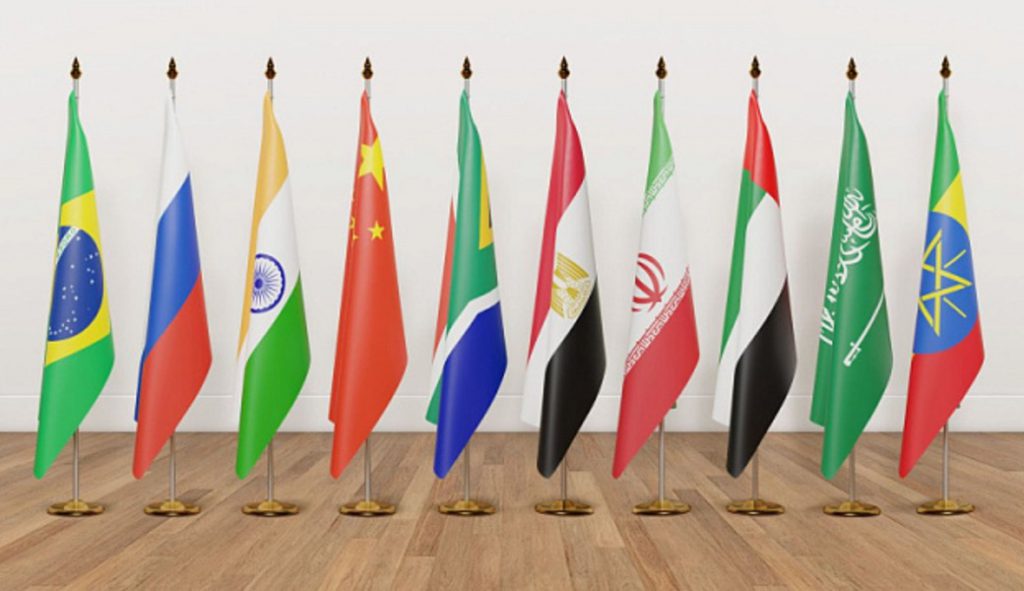
BRICS expansion into Europe implications extend beyond economics and have catalyzed shifts across various major geopolitical dimensions right now. The bloc created in 2006 now reunites 11 countries as full members, expanded from the original five (Brazil, Russia, India, China, South Africa) with new members joining in 2024/2025, including Egypt, Ethiopia, Iran, Saudi Arabia, UAE, and Indonesia, which collectively represent numerous significant market economies. Since 2024, the group has added 10 partner countries, which creates new opportunities for nations like Moldova seeking alternatives to Western-dominated institutions through several key strategic partnerships at the time of writing.
The proposal for Moldova to become a BRICS partner reflects broader concerns about the country’s economic trajectory that have accelerated across multiple essential sectors. The GDP challenges facing Moldova include a trade balance that shows a deficit of over 2.5 times for the first nine months of 2025, and various major structural factors have driven this imbalance right now. Dodon criticized how free trade regimes with multiple blocs haven’t resolved issues like deindustrialization, energy vulnerability, technological gaps, or the lack of investments that the country faces across numerous significant industrial and financial areas at the time of writing.
Dodon concluded:
The push for BRICS partner status in 2025 signals Moldova’s search for alternatives beyond traditional Western institutions as economic pressures continue to mount across several key policy areas. BRICS members’ receptiveness and Moldova’s ability to navigate its existing EU candidacy alongside new eastern partnerships will determine whether this strategy gains traction, as the Socialist Party pursues these partnerships through various major diplomatic initiatives right now, and numerous significant geopolitical developments have catalyzed these efforts at the time of writing.
