BRICS Push for De-Dollarization: The Stark Reality Behind the Headlines

BRICS nations talk big about ditching the dollar—but the numbers paint a different picture.
The De-Dollarization Dream
Leaders trumpet new trade agreements and payment systems designed to bypass the greenback. They're building financial infrastructure—on paper—that could challenge dollar dominance. The rhetoric makes headlines, fuels geopolitical speculation, and sends a clear message of financial independence.
The Hard Currency Reality
Yet global reserves and trade invoices tell the sobering truth. The dollar's share remains stubbornly high, while alternatives struggle to gain meaningful traction. Every crisis seems to send capital fleeing back to the world's reserve currency—a safe-haven habit that's tough to break. It's the ultimate network effect, and changing it requires more than declarations.
A Long Game of Financial Sovereignty
This isn't about flipping a switch. De-dollarization is a decades-long project of building trust, liquidity, and alternatives that actually work. Current efforts lay groundwork, test systems, and slowly chip away at dollar dependency in specific corridors. Progress is measured in basis points, not breakthroughs.
The Bottom Line
Watch what they do, not what they say. Real de-dollarization happens when traders choose other currencies without being told—and when those currencies survive their first real stress test. Until then, it's mostly theater for the economic policy crowd, with the dollar still collecting its global rent. Some ambitions are funded by political will; others require the cold, hard cash they're trying to escape.
BRICS: 2 Different Stories in a Page
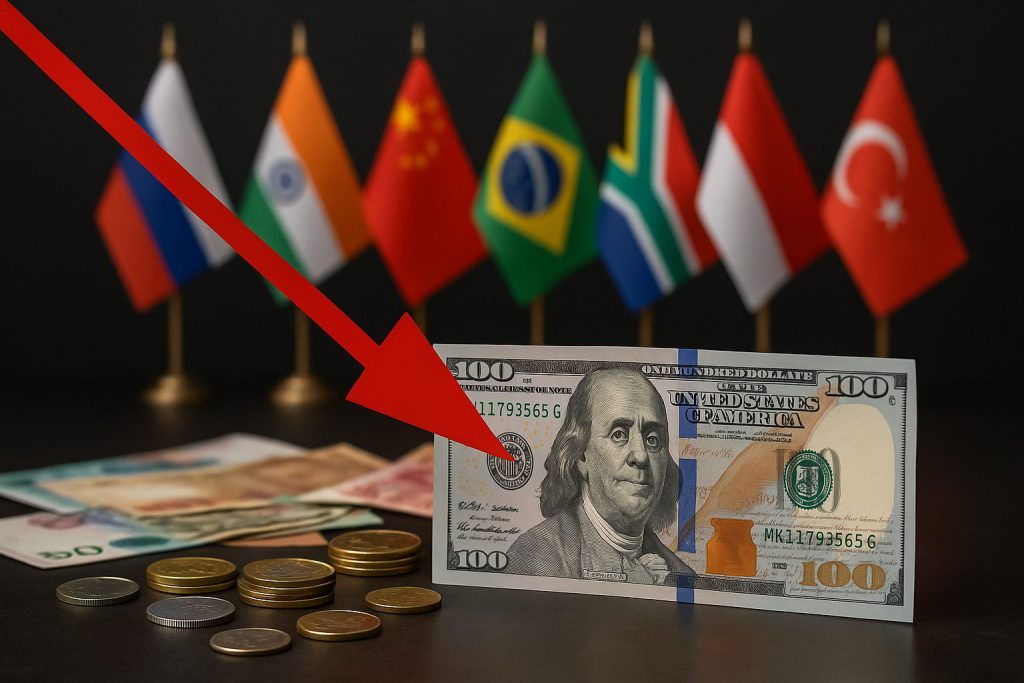
The US dollar’s share in global reserves has indeed fallen from 85% in the 1970s to 58% by 2025. That’s a sharp 27% decline over the years as developing countries are diversifying their reserves with Gold and other local currencies. The BRICS alliance has been hoarding gold since 2022 to fulfil its de-dollarization quest. Holding the USD in their reserves is a risk, as an economic fallout in America can wreak havoc on their local economies.
That being said, while the US dollar reserves have dipped to 58%, global foreign exchange transactions in the currency have increased to 90%. It even commands 48% of all SWIFT payments, making it the largest beneficiary. The Chinese yuan, which BRICS is promoting through de-dollarization, accounts for just 7% of global foreign exchange transactions.
The fundamental truth is that the US dollar still reigns supreme despite challenges emerging from the BRICS de-dollarization agenda. Their obstacles are numerous, and overcoming them might not just take years but decades. Until they resolve their internal issues, whether you like it or not, the US dollar is king. No other currency comes close to it.
