Fed Quietly Returns to Money Printing, Economist Warns - What It Means for Your Portfolio

The Federal Reserve is back at the printing press—and hardly anyone noticed.
That's the warning from a prominent economist who spotted the subtle shift in monetary policy. While officials talk tough about inflation, the balance sheet tells a different story.
The Stealth Stimulus
Quantitative easing never really left. It just got quieter.
The Fed's latest maneuvers inject liquidity without the fanfare of pandemic-era programs. They're propping up markets while pretending to fight inflation—classic central bank doublespeak.
Digital Assets Stand Ready
When traditional money loses its meaning, alternatives gain appeal.
Bitcoin's fixed supply looks increasingly rational against this backdrop. Ethereum's decentralized finance ecosystem offers escape routes from manipulated markets. The entire crypto space represents a referendum on monetary policy credibility.
Smart money's already positioning. Institutional inflows into crypto ETFs hit record levels last quarter. Venture funding for blockchain infrastructure doubled year-over-year.
The Inflation Shell Game
They'll tell you it's temporary, necessary, or technically not money printing.
Don't buy it. More dollars chasing the same assets means one thing: your cash is being diluted. Gold bugs saw this coming decades ago. Crypto natives figured it out faster.
The cynical take? Central banks can't quit stimulus because the withdrawal symptoms would crash their political patrons' approval ratings. Better to slowly boil the frog than shock the system.
Prepare accordingly. Diversify beyond dollar-denominated assets. Understand blockchain's value proposition isn't just technology—it's monetary sovereignty. When the Fed prints, alternatives shine.
Money Printing Fed Signals Fresh Balance Sheet Expansion Risks
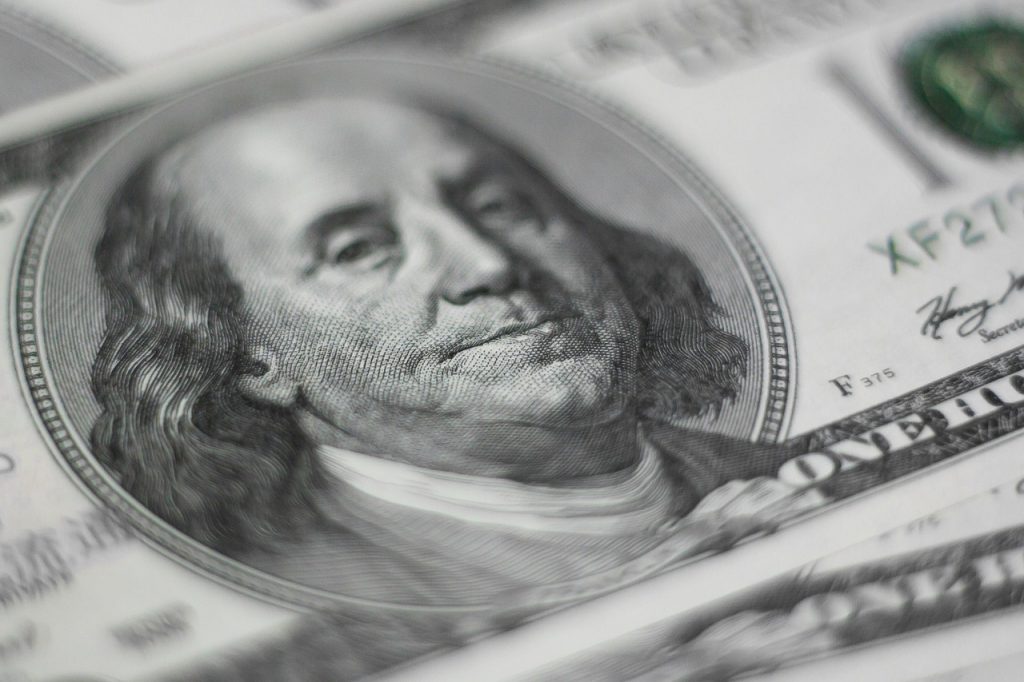
The Federal Reserve announced on Wednesday that it will actually resume buying Treasury securities, and they’re starting with $40 billion in Treasury bills beginning Friday. This Fed balance sheet expansion marks a reversal from the quantitative tightening program that began back in June 2022. The central bank explained that purchases will” before being “,” citing some concerns about overnight funding market pressures.
Antoni appeared on Newsmax’s “The Count” Saturday and had this to say about money printing in 2025:
Rate Cuts Accompany Balance Sheet Policy Shift
The money printing news arrived right alongside the Fed’s third rate cut of 2025. The Federal Open Market Committee lowered its benchmark overnight lending rate by a quarter point to a range between 3.5% and 3.75%, which is actually the lowest level we’ve seen in nearly three years. Since beginning its rate-cutting cycle back in September 2024, the central bank has reduced rates by a cumulative 1.75 percentage points.
Fed Chair Jerome Powell stated at Wednesday’s news conference:
Powell’s comments suggested that the central bank may pause further rate cuts even though they’ve completed three consecutive reductions. The committee made the decision this week by a 9-3 vote, showing some division within the committee about the proper course of action going forward.
Critics Target Powell’s Leadership On Money Printing US Policy
Money printing US policy has been drawing sharp criticism from Antoni, who argued that Fed Chair Jerome Powell’s track record demonstrates consistent delays in monetary policy decisions, along with poor timing. The economist called for Powell’s removal and new leadership at the central bank.
Antoni also stated:
The economist referenced Powell’s history of policy missteps, including over-tightening money markets back in 2019 that required emergency rate cuts that same year. Antoni argued that even after COVID, the Fed kept rates too low for too long and then was too slow to raise them when inflation started picking up.
Understanding Money Printing in 2025 And Its Economic Impact
When the Federal Reserve engages in money printing in 2025, the central bank purchases government bonds, creating new bank reserves and expanding the money supply. This differs from physical currency production, which the Treasury’s Bureau of Engraving and Printing actually handles. The Fed expands its balance sheet through securities purchases, effectively adding money to the economy, and this impacts circulation and value through digital means rather than just physical notes.
The Fed’s decision this week capped what’s been a difficult period for Powell and his colleagues, who have also faced repeated criticism from President Donald TRUMP over the pace and direction of monetary policy. Central bank officials are attempting to strike a balance between slowing inflation and supporting an economy showing some signs of strain right now.
At the time of writing, policymakers have faced stubborn price growth, a softening labor market, and an unusual number of dissenting votes within the Federal Open Market Committee over the past year. The money printing Fed policy shift comes as the central bank projects only one additional rate cut next year, according to officials’ latest economic projections.
