Blackrock CEO Labels Bitcoin ’An Asset Of Fear’ - What It Really Means for Your Portfolio

Larry Fink's latest characterization of Bitcoin as 'an asset of fear' sent ripples through crypto markets this week. The BlackRock chief's comments—coming from the head of the world's largest asset manager—carry weight, but they're missing the bigger picture.
The Institutional Pivot Everyone Missed
While Fink focuses on fear narratives, BlackRock's own actions tell a different story. The firm's spot Bitcoin ETF continues sucking up institutional capital like a digital vacuum cleaner. Funny how 'assets of fear' keep finding their way onto the world's most sophisticated balance sheets.
Bitcoin's Real Function in Modern Finance
Call it fear. Call it hedging. Call it whatever makes traditional finance comfortable. What matters is the network effect—governments printing money, banks failing, and sovereign debt looking shakier by the quarter. Bitcoin doesn't care about the labels; it just keeps verifying blocks every ten minutes.
The Contrarian Take Wall Street Hates
Here's the cynical finance jab: When the CEO of a $10 trillion asset manager calls something 'fear-driven' while simultaneously building the infrastructure to profit from it, maybe the real fear is missing the boat entirely. Traditional finance has a long history of dismissing innovations right before adopting them at scale.
Digital gold isn't about emotion—it's about mathematics, scarcity, and a ledger that doesn't ask for permission. The 'fear' narrative sells newspapers, but the hash rate tells the real story.
Is Bitcoin Really An Asset Of Fear, As Stated By The BlackRock CEO?
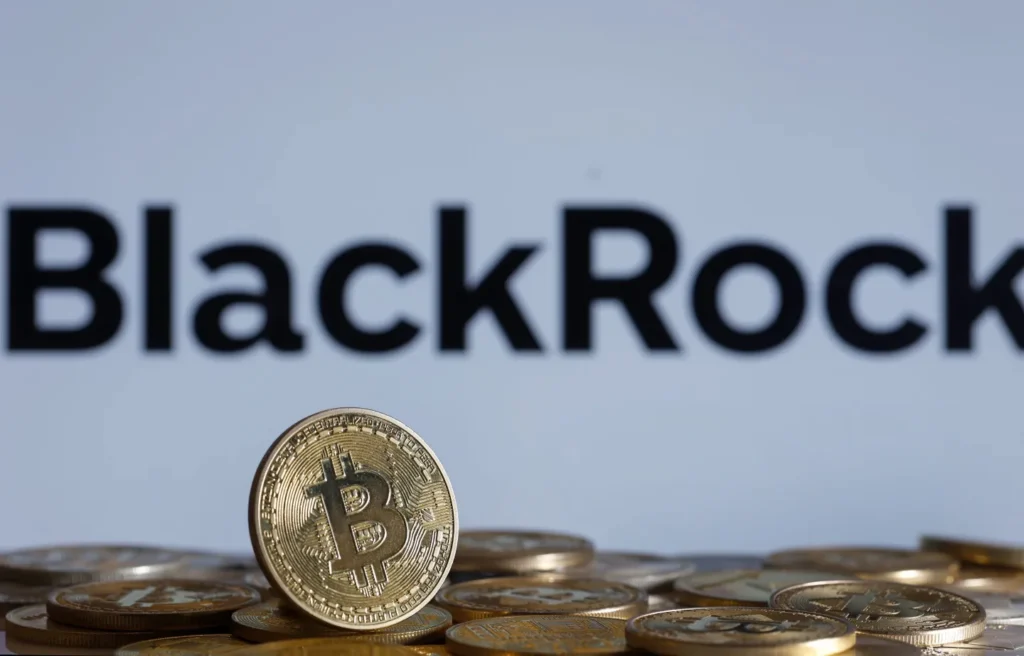
Bitcoin (BTC) and the larger crypto market have faced massive price swings throughout their history. The volatility around cryptocurrencies is one of its most notorious factors. Hence, Fink’s statement about it being an asset of fear is sound.
However, despite the ongoing market predicament, there is a high chance that bitcoin (BTC) will rebound over the coming weeks. Chances of another interest rate cut later this month have significantly increased. Markets may begin to price in another 25 basis point interest rate reduction. A rate cut could lead to a market-wide rally, and Bitcoin (BTC) could reclaim the $100,000 mark under such circumstances.
Grayscale also released a report that claims that Bitcoin (BTC) may hit a new all-time high in 2026. The financial institution believes that BTC follows a 5-year cycle instead of a 4-year cycle. A 5-year cycle would mean that the original crypto will hit an all-time high in 2026 before facing a major dip.
However, as stated by the BlackRock CEO, Bitcoin (BTC) is a volatile asset. Macroeconomic conditions, investor sentiment, geopolitical tensions, etc. could bring unforeseen challenges. BTC’s price could suffer if such developments arise.
