BRICS De-Dollarization: Can the Alliance Really Dethrone the Greenback?

The BRICS bloc—Brazil, Russia, India, China, and South Africa—has been sharpening its knives against the dollar's dominance. But can this coalition actually pull off a global financial coup?
The Dream of a Dollar-Free World
For years, BRICS nations have chafed under the weight of USD hegemony—sanctions, exchange rate volatility, and the Fed's whims. Now, with expanded membership and rumored gold-backed trade settlements, the alliance is mounting its most serious challenge yet.
Reality Check: Structural Roadblocks
Ditching the dollar requires more than political posturing. Liquidity mismatches, lack of trust between members, and China's capital controls remain massive hurdles. Even Petro-yuan contracts haven't made a dent in oil's dollar pricing—yet.
The Crypto Wildcard
Some members are flirting with blockchain-based alternatives. Russia's CBDC experiments and China's digital yuan could eventually bypass SWIFT—if they ever stop banning each other's payment systems first.
The dollar won't surrender its throne without a fight. But in the age of economic fragmentation, even failed de-dollarization attempts will reshape global finance—and create opportunities for nimble crypto traders amid the chaos.
De-Dollarization Agenda: How Far Can BRICS Take It?
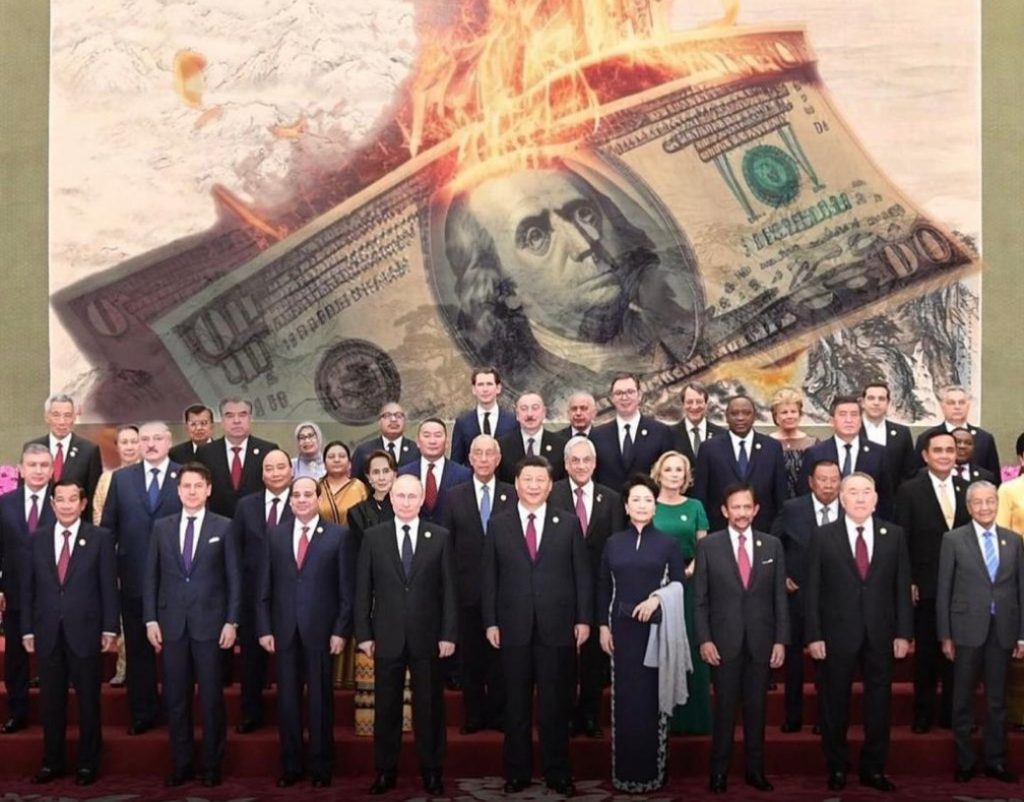
The BRICS alliance has already put the spotlight on the de-dollarization agenda on the global financial stage. This includes:
So What Next? Can It Go Further?

While the base of the de-dollarization agenda formed by BRICS is strong, the structure remains weak. The weakness comes from their inability to come together and break political barriers. India and China’s geopolitical agendas don’t align and Flare up every year. The relationship between the UAE and Iran is complex, with a long-standing friction over three Persian Gulf islands.
Circling back to how far BRICS can take de-dollarization will depend on the depth of their markets. The US dollar has liquidity and stability, and the majority of the global finances are attached to it. Local currencies of BRICS countries like the Chinese yuan, Russian ruble, and Indian rupee are not freely convertible, and most fold under pressure from the volatile forex market.
Local Currencies Cannot Withstand Market Volatility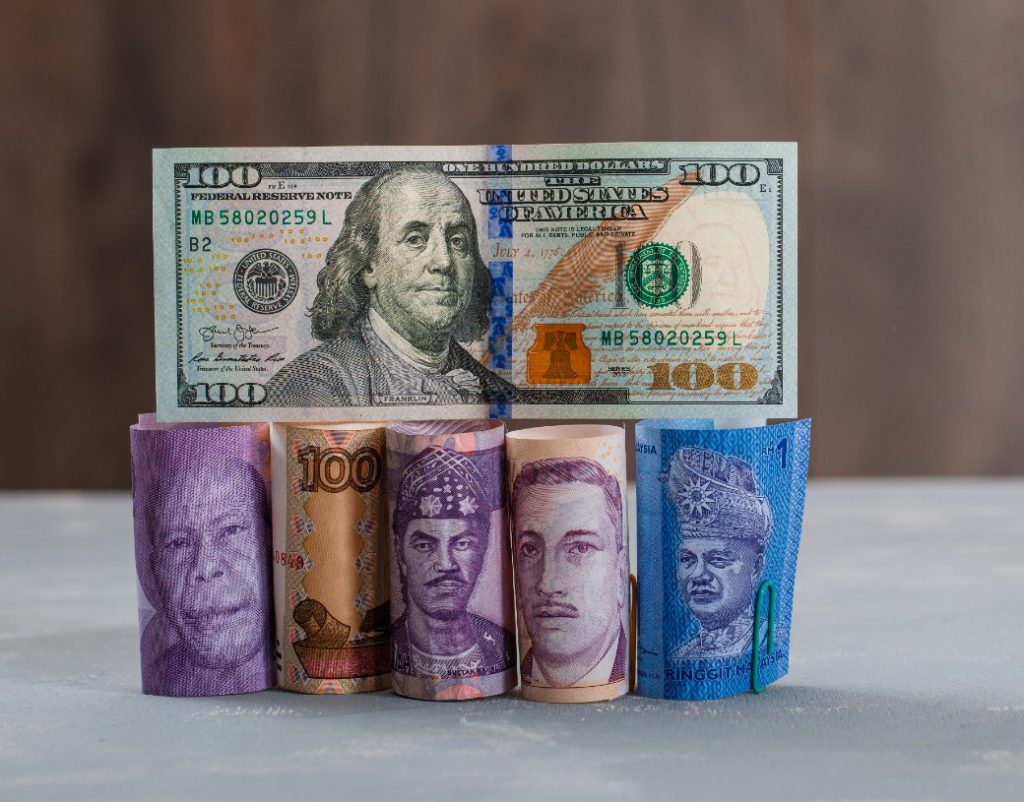
Since their local currencies cannot withstand volatility, it’s not a viable option for traders. Global consumer goods and commodities, especially in the import and export sector, cannot depend on these currencies. Limited liquidity can stall the FLOW of business, leading to a disruption in manufacturing and shipping. The BRICS de-dollarization agenda cannot live up to these requirements as local currencies don’t meet the market’s criteria.
In conclusion, the BRICS de-dollarization agenda cannot go far unless the alliance focuses on turning their respective economies into ‘developed countries’ first. Remaining a third-world economy and challenging a century-old system is only wishful thinking. We did not even consider the challenge the US and the West WOULD put up here.
