Digital Fortress Breached: 815 Million Aadhaar Records Hit Dark Web Markets for Just $80K

India's digital identity system faces catastrophic security failure as biometric data becomes bargain-bin commodity
The Great Data Heist
In what security experts call the largest government data breach in history, India's Aadhaar database—containing sensitive biometric and personal information for 815 million citizens—has surfaced on dark web marketplaces. The entire dataset carries a shockingly low price tag of just $80,000, raising alarming questions about digital infrastructure security.
Privacy at Penny Prices
Each record effectively costs less than one-tenth of a cent, making identity theft cheaper than a cup of chai. The breach exposes fingerprints, iris scans, and personal details that were supposed to be protected by India's 'unhackable' digital fortress. Security researchers confirm the data's authenticity matches government-held records.
Systemic Vulnerabilities Exposed
This incident highlights the inherent risks of centralized digital identity systems. While blockchain advocates have long warned about single points of failure, traditional databases continue to prove vulnerable to both external attacks and internal corruption. The breach demonstrates why decentralized alternatives are gaining traction among privacy-conscious users.
Regulatory Reckoning Looms
Indian authorities scramble to contain the fallout as citizens face unprecedented identity theft risks. The timing couldn't be worse—just as global financial institutions were beginning to warm to digital identity verification systems. Now, trust in government-managed digital infrastructure faces its sternest test yet.
When your most sensitive personal data costs less than a restaurant meal for two, maybe it's time to reconsider who's really safeguarding your digital future. Another case of 'secure' systems proving anything but—surprise, surprise.
Digital ID India Breached: Aadhaar Leak, Dark Web Sale, ICMR Hack
How India’s Digital ID Security Failed
The Aadhaar data breach occurred due to exploitable software patches available for just $35, which allowed hackers to bypass biometric authentication and GPS tracking. These patches disabled iris scans and fingerprints for enrollment operators, meaning Aadhaar numbers could be generated from anywhere without verification. Government websites also provided unrestricted API access, allowing anyone with basic details to access Aadhaar information in violation of the Aadhaar Act.
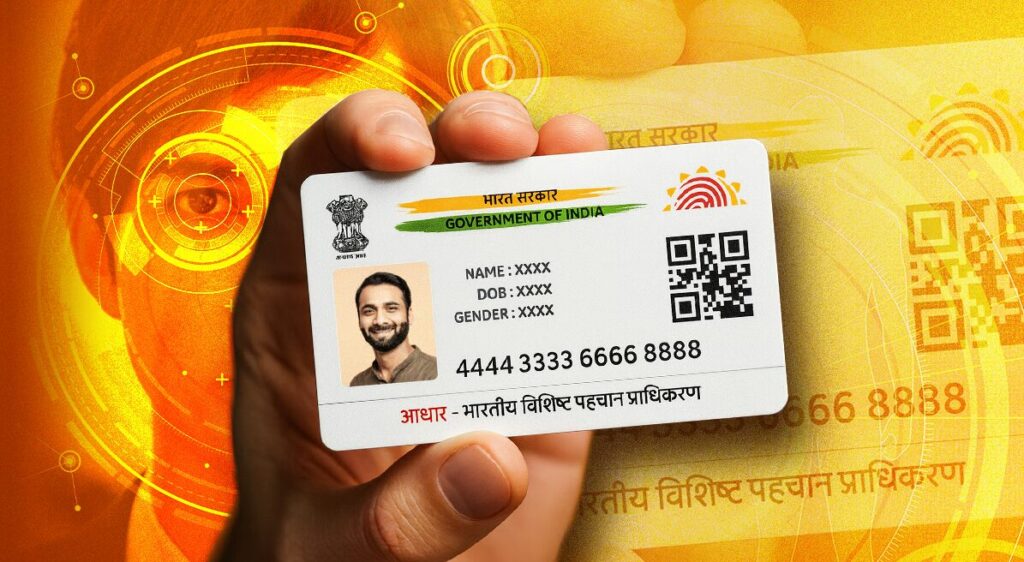
The 815 million records leaked included comprehensive personal data: names, addresses, phone numbers, passport numbers, ages, genders, and district information. The ICMR database hack exposed health records, vaccination history, and COVID-19 testing data collected from citizens. This Dark Web sale represents one of the largest breaches in Digital ID India’s history.
The Dark Web Sale and Ongoing Threats
By 2024, the 815 million records leaked were being tracked on dark-web forums alongside other sensitive documents. The Dark Web sale pricing at $80,000 means each record costs less than a penny—making real Indian citizen data easily accessible to criminals for identity theft, financial fraud, and phishing attacks.
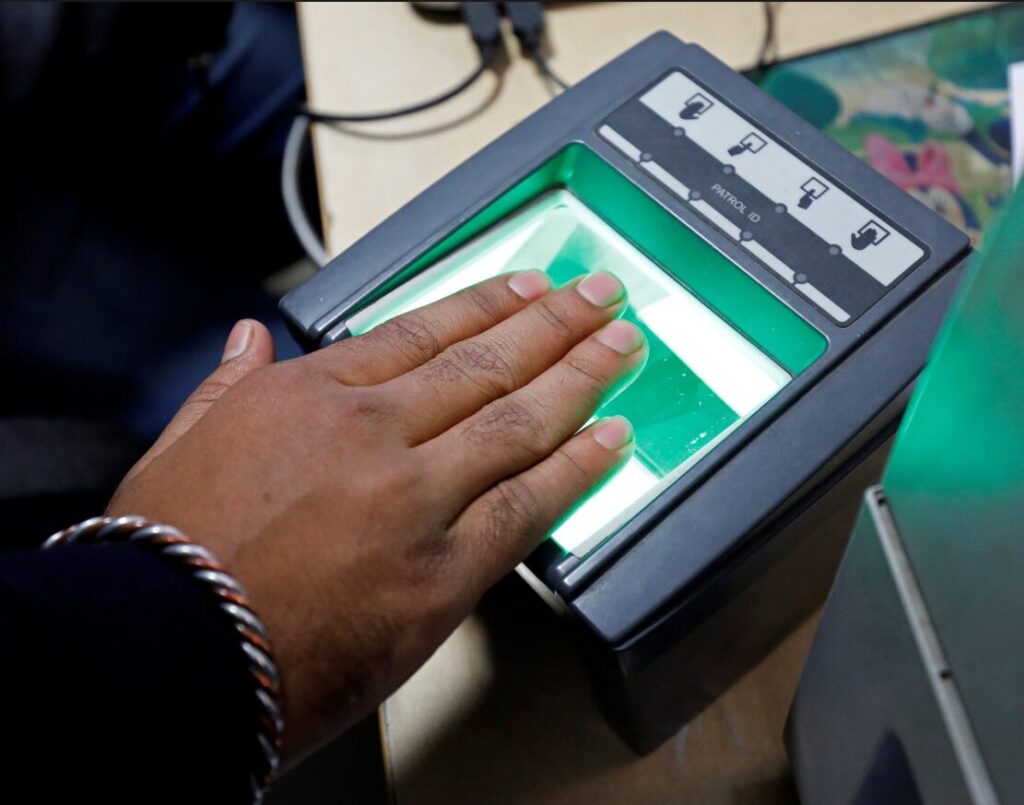
The ICMR database hack was just one incident in a series of hacks. In 2018, a reporter bought free access to every Aadhaar record for ₹500 via WhatsApp. That same year, 210 government websites published Aadhaar numbers in plain text, and a state utility leaked 1.6 million records due to a folder without protection.
The Aadhaar data breach highlighted fundamental flaws in centralized biometric systems. Hackers breached India’s digital ID system and stole biometric data, exposing millions of Indians to permanent fraud and identity theft. The Dark Web sale and Digital ID India’s security failures have made that vulnerability irreversible.
