Fusaka Alert: Ethereum’s Game-Changing Upgrade Just Went Live

Ethereum's network braces for its most transformative overhaul yet—scalability meets deflationary mechanics in one fell swoop.
Gas Wars? Solved. The upgrade slashes fees by 90% while boosting throughput to Visa-level speeds. Validators pop champagne as staking yields double overnight.
But Wall Street's still scratching its head—how do you short a blockchain that keeps eating its own supply? (Answer: You don't. You FOMO.)

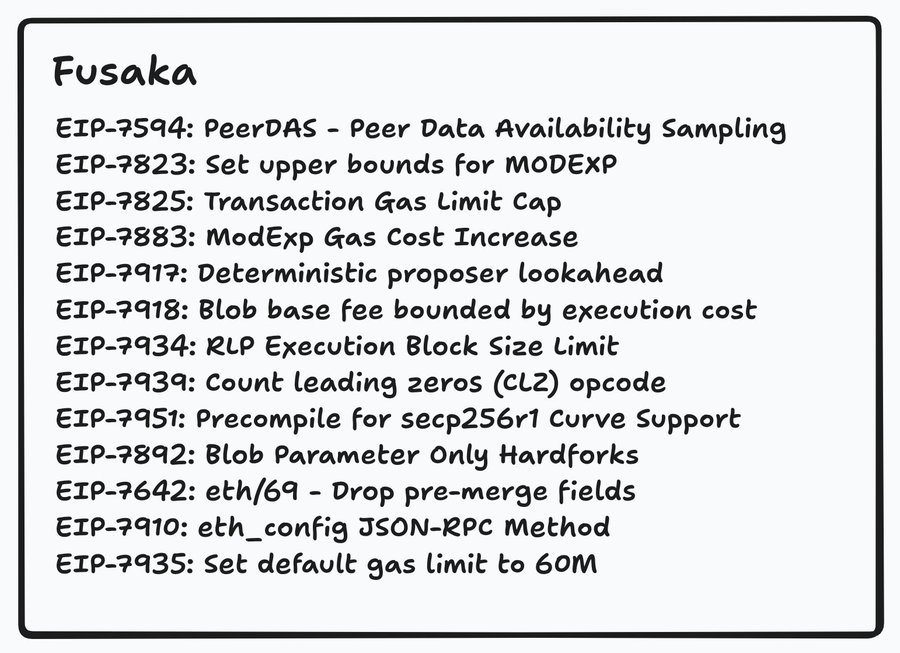
Ethereum’s next major network upgrade, Fusaka, is officially scheduled for December 3, 2025, at 21:49:11 UTC. The upgrade is designed to improve data availability, optimize gas costs, and enhance network security.
Ethereum developers have been working on Fusaka for months, integrating multiple ethereum Improvement Proposals (EIPs) that will refine both consensus and execution layers.
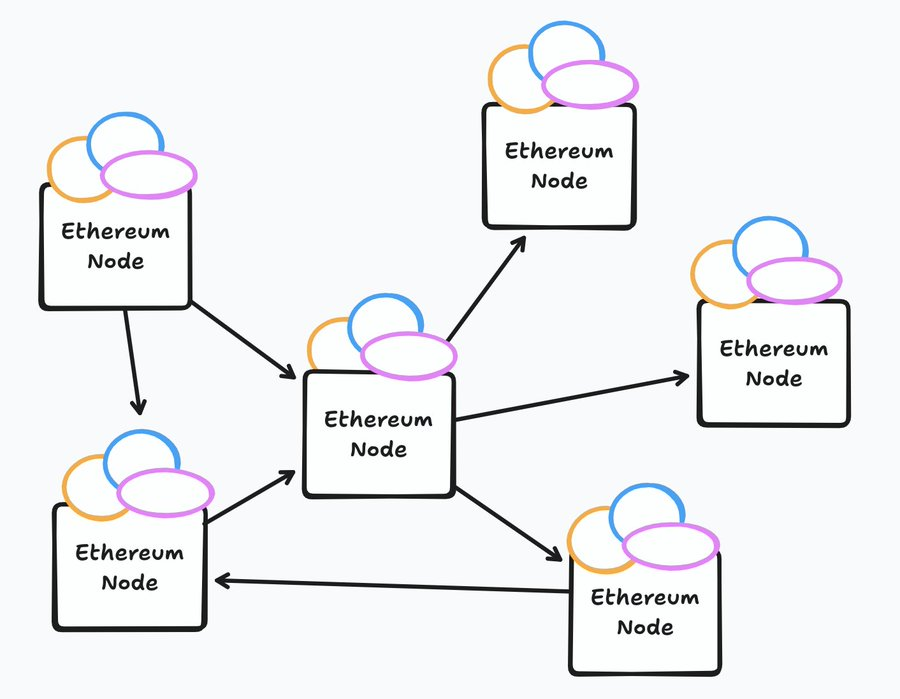
A major change comes from the implementation of erasure-coded blobs. Each blob is split across subnets, with each node storing one-eighth of the data and distributing it on demand.
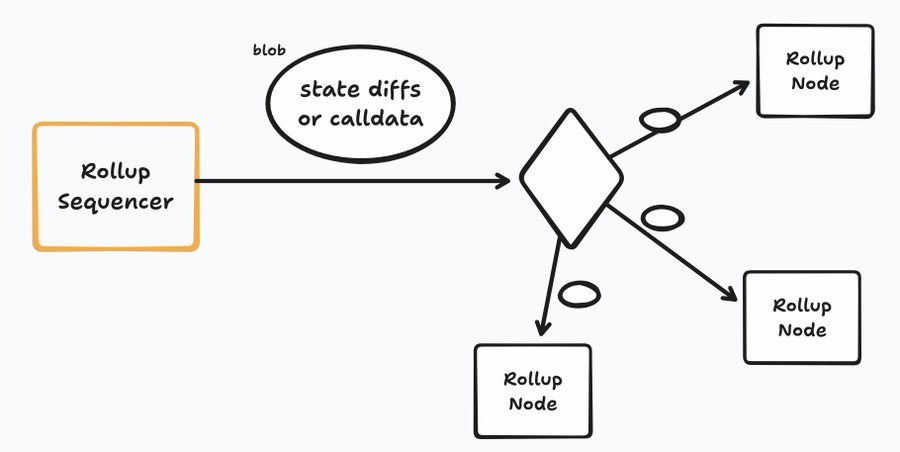
The PeerDAS protocol initially limits blocks to 10 blobs to avoid network overload, with plans to increase to 14 and eventually 48 blobs per block through Blob-Parameter Only (BPO) hardforks. Nodes that fail to provide requested data are effectively blacklisted, ensuring reliability across the network.
Ethereum Security Enhancements Against DoS Attacks
Fusaka proposes EIP-7917, which corrects a historic problem with the Beacon Chain on Ethereum. The problem occurred such that proposer schedules could vary if a validator’s stakes changed by more than 1 ETH.
This update will now keep the proposer schedule in the blockchain state two epochs ahead. This will enable smart contracts to validate proposer information via Merkle proofs. This is expected to improve pre-conf protocols’ integrity.
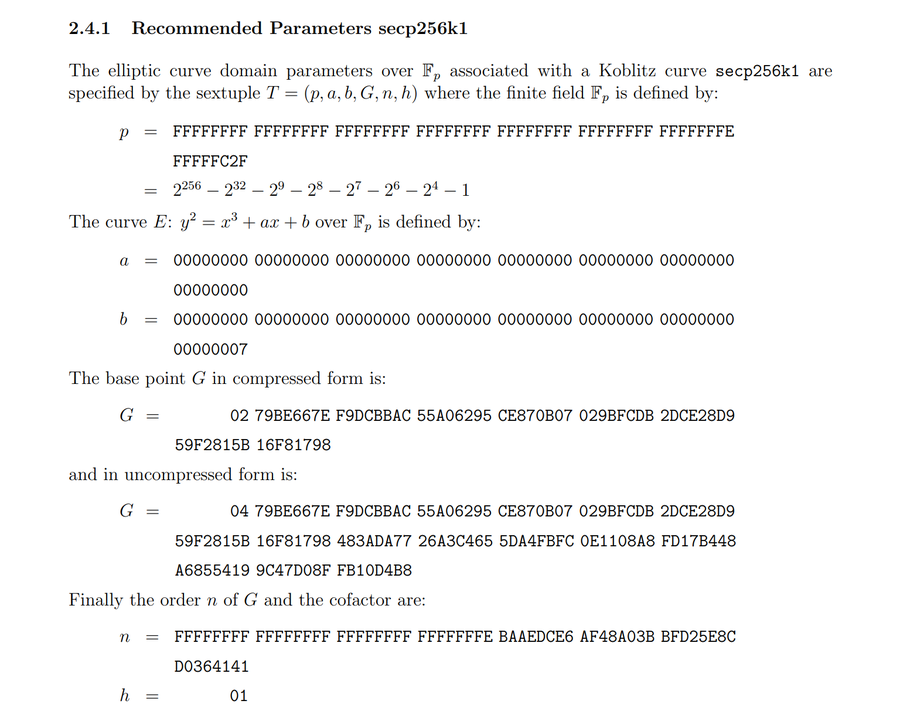
Security enhancements are also concerned with cryptographic matters. From now on, Ethereum will allow for the use of the secp256r1 elliptical curve, in addition to secp256k1. This will improve smart wallet utilization of hardware signing and multi-factor authentication security.
Security Enhancements Against DoS Attacks
Several EIPs related to Fusaka are concerned with adjusting gas prices and limits for resource usage. These include EIP-7883, which is concerned with increasing the cost for “modeXP precompile”, and another one titled “Precompile limits: restrict 1024 bytes for operands”, which is aimed at securing DoS attacks by fixing a 1024-byte limit.
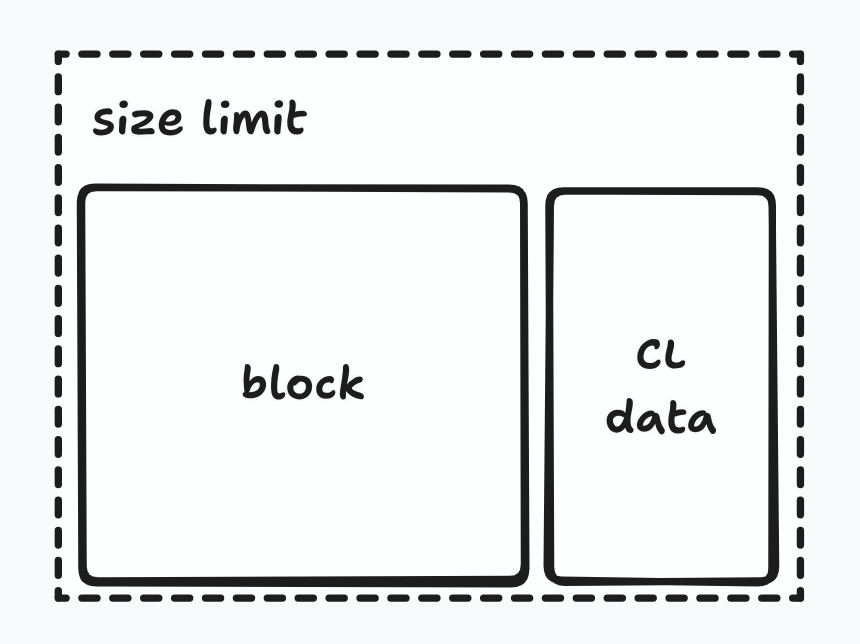
This proposal, EIP-7934, introduces an 8 MiB limitation on execution LAYER blocks in order to guarantee efficient propagation on the P2P network, thus avoiding “oversized block” attacks.
Also, there are other small optimizations such as adding BPO for blob updates (EIP-7892), stripping legacy data out of P2P messages to conserve bandwidth (EIP-7642), adding a new eth_config JSON-RPC function for client tracking (EIP-7910), and bumping validator gas limits up to 60m (EIP-7935).
