Polygon Founder’s Ethereum Critique Sparks Buterin’s Unexpected Praise - Crypto Drama Unfolds

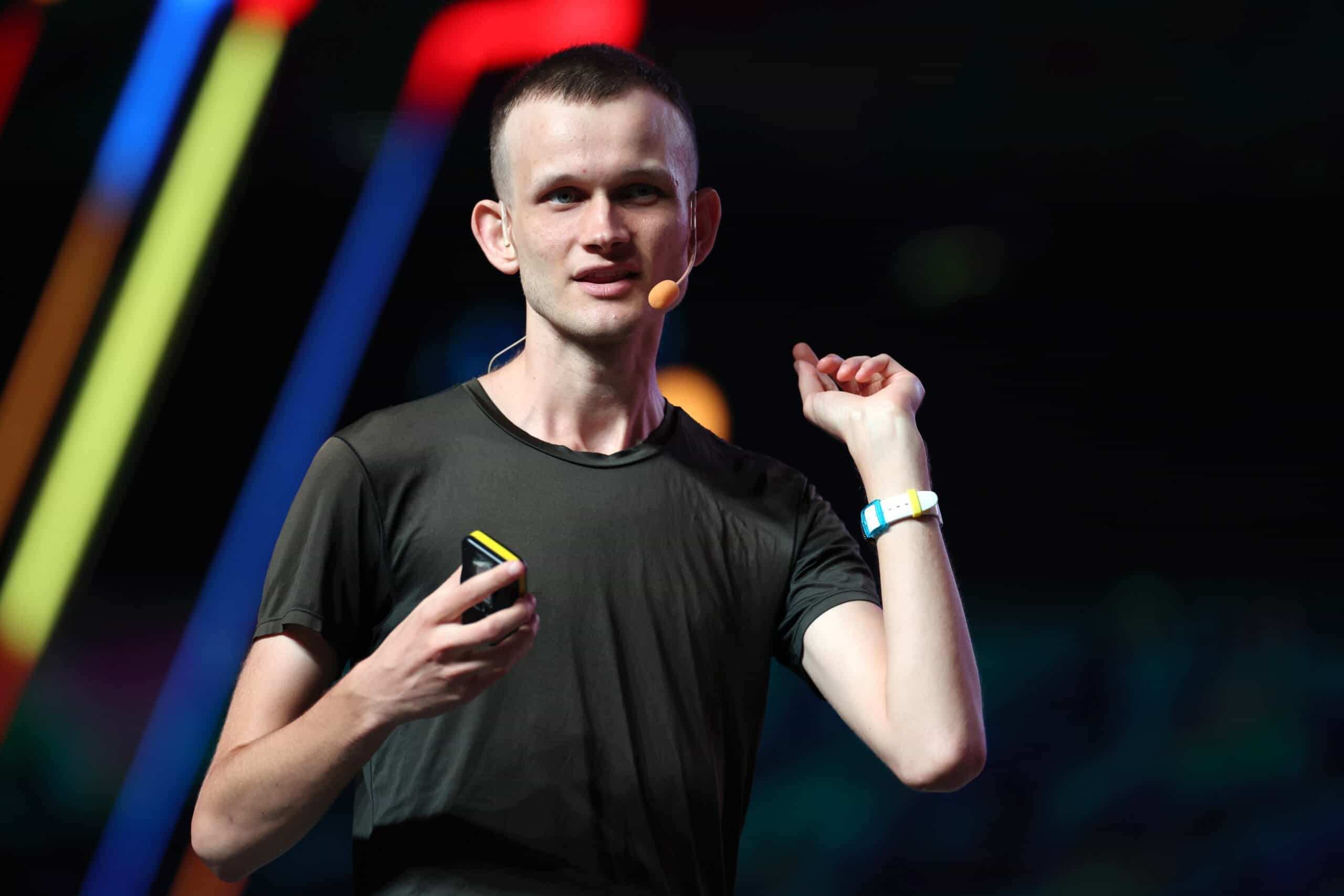
Ethereum scaling solution Polygon found itself at the center of crypto controversy this week as co-founder Sandeep Nailwal unleashed criticism against the Ethereum community - only to receive surprising validation from Ethereum creator Vitalik Buterin himself.
The Layer-2 Clash Heats Up
Nailwal's comments lit up crypto Twitter with what many expected to become another blockchain civil war. Instead, Buterin stepped in with unexpected praise for Polygon's technical achievements and ecosystem growth. The Ethereum founder's response caught everyone off guard - including traditional finance observers who still think blockchain is just about monkey pictures.
Scaling Solutions Get Personal
The public exchange highlights the ongoing tension between Layer-1 purists and scaling solution providers. While Ethereum struggles with gas fees that could finance a small nation's debt, Polygon continues eating market share with faster transactions and lower costs. Buterin's gracious response suggests even crypto royalty recognizes that scaling solutions aren't just necessary - they're inevitable.
Maybe the real scaling solution was the friends we made along the way - or just another reminder that in crypto, today's critic could be tomorrow's collaborator. Wall Street bankers watching from the sidelines probably think we're all just arguing about which digital bean counter counts beans faster.
Inside Ethereum Power Struggles
In response, Buterin highlighted the contributions of Polygon and Nailwal personally, describing the project as more than a “not just boring finance app.” He gave a shoutout to Polygon’s Layer 2 work and said that it has made ethereum stronger.
The Ethereum co-founder’s acknowledgment came amid Nailwal’s candid reflections about the social and market pressures surrounding Polygon. Nailwal spoke about the difficulty of categorizing Polygon as a Layer 1 or Layer 2, and pointed out how such distinctions influence market perception and valuation.
He described being called out by stakeholders for not labeling Polygon a LAYER 1, despite the chain’s deep integration with Ethereum. Nailwal also alluded to moments of personal conflict, while noting that navigating the Ethereum community had felt like a “shit show” at times, while simultaneously expressing respect for Buterin as someone he “looked up to as an ideal for how things should be built in this world.”
Ethereum Elite Under Fire
Nailwal’s response comes after Ethereum Core developer Péter Szilágyi published a lengthy letter he first shared privately with Ethereum Foundation (EF) leadership in May 2024. In it, Szilágyi outlined long-standing frustrations with governance, compensation, and the emergence of an Ethereum “elite” that ultimately answers to Buterin. He described feeling like a “useful fool,” caught between loyalty to Ethereum and personal dissatisfaction, and criticized the perceived dissonance between public portrayals of his leadership role and how responsibilities were handled internally.
Szilágyi highlighted compensation issues and mentioned that underpayment created incentives for top contributors to explore opportunities elsewhere, which ended up opening space for concentrated influence among high-profile insiders. While he said that Ethereum remains a powerful protocol, these structural and social dynamics create ongoing challenges for long-term contributors navigating recognition, opportunity, and principle within the network.
“Do I find Ethereum fixable? No, not really. I don’t see how any of this can be reversed. I feel the Foundation blew allegiance to it beyond reversal. I feel Vitalik – with all his good intents – created the ruling elite who will never relinquish control anymore, so you either play ball or you get sidelined (at least they pay well apparently). As for Geth, I feel we are considered a problem in the grand scheme of things in Ethereum – myself at the centre of that problem – so I don’t really see a bright future for myself with my pushbacks against the issues I see.”
