U.S. War Spending in Iran Nears $1 Trillion, Researchers Warn as Ceasefire Hangs by a Thread

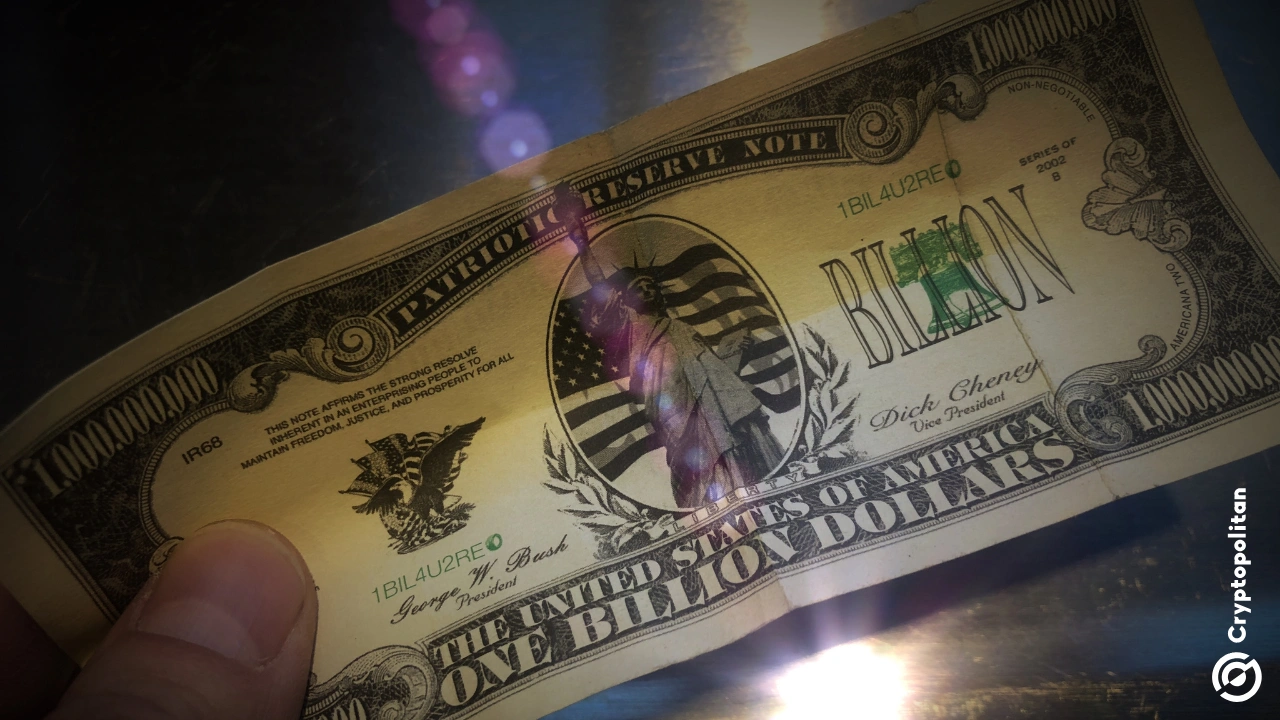
A Harvard Kennedy School analysis warns the real cost of U.S. military action in Iran is rapidly approaching $1 trillion—dwarfing the Trump administration's official $11.3 billion estimate for the first six days—and threatens to burden American taxpayers for generations. This staggering revision emerges as a fragile temporary ceasefire, announced on April 8, 2026, remains in place but with no lasting settlement in sight, following the collapse of weekend peace talks involving figures like JD Vance and Jared Kushner.
Harvard proves that the real war cost is much higher than the Trump administration is saying
Linda Bilmes, a public policy professor at Harvard, said in an internal interview, “I am certain we will reach $1 trillion for the Iran war.” Her research was published two days before the ceasefire announcement on April 8. She said this operation could leave serious damage to the U.S. national debt for years, not just during the shooting.
Linda put the short-term cost at about $2 billion a day over 40 days of live conflict, an estimate she says covers munitions, troop activity, and damage to military assets. One of the examples she cited was the loss of three F-15 fighter jets after friendly fire from Kuwait, because replacing aircraft, weapons, and other equipment now costs far more than older accounting values suggest.
Linda argued that the military often counts equipment using historical inventory values instead of the price needed to replace that same gear today, calling the official numbers wrong and
That matters for America because the war bill does not stop with the first week of combat. It keeps building through replacement spending, future debt service, and the long tail that follows any major military campaign.
Ken Griffin and the IMF agree that a global recession is coming
Meanwhile, the International Monetary Fund said the global economy could slide toward recession if the U.S.-Israel war with Iran drags on and energy prices stay high. In its World Economic Outlook, the IMF laid out a worst-case scenario in which oil, gas, and food prices jump and remain high this year and next, with global growth falling below 2% in 2026.
The IMF said, “This would mean a close call for a global recession, which has happened only four times since 1980,” with the latest one coming during the COVID pandemic.
The fund also said, “Once again, the global economy is threatened with being thrown off course, this time by the outbreak of war in the Middle East at the end of February 2026.” In the worst-case scenario, the IMF said oil could average $110 a barrel this year and reach $125 in 2027. It also said inflation could rise to 6% next year, a level that could force central banks to raise interest rates again.
Kenny Griffin, CEO of Citadel, gave a similar warning on Tuesday at the Semafor World Economy conference in Washington, D.C. Griffin said, “Let’s assume [the strait is] shut down for the next six to 12 months, the world’s going to end up in a recession. There’s no way to avoid that.”
He added that the shock would push more countries toward wind, solar, and nuclear power. He also said the damage could have been worse if the United States had waited longer and allowed Iran’s military capacity to grow further.
Kenny also believes that:- “The moral standard for what has happened in Iran over the course of the last 50 days … we did not position this issue with the world through the right talking points, nor did we bring our allies on board with us. And I think that was a mistake.”
Pierre-Olivier Gourinchas, the IMF’s chief economist, also predicts that a long conflict would drive up inflation, raise unemployment, and deepen food insecurity in some countries. Gourinchas said that even if the war ended now, the oil supply hit would still be as serious as the 1970s oil crisis, when Arab oil producers embargoed the U.S. and other countries backing Israel during the Yom Kippur war.
There’s a middle ground between leaving money in the bank and rolling the dice in crypto. Start with this free video on decentralized finance.

Log in to Reply
Log in to comment your thoughtsComments
Related Articles
|Square
Get the BTCC app to start your crypto journey
Get started today Scan to join our 100M+ users