Iran War Shocks Tech Supply Chain: Aluminum Prices Spike 10%, Helium Squeeze Threatens Chip Production

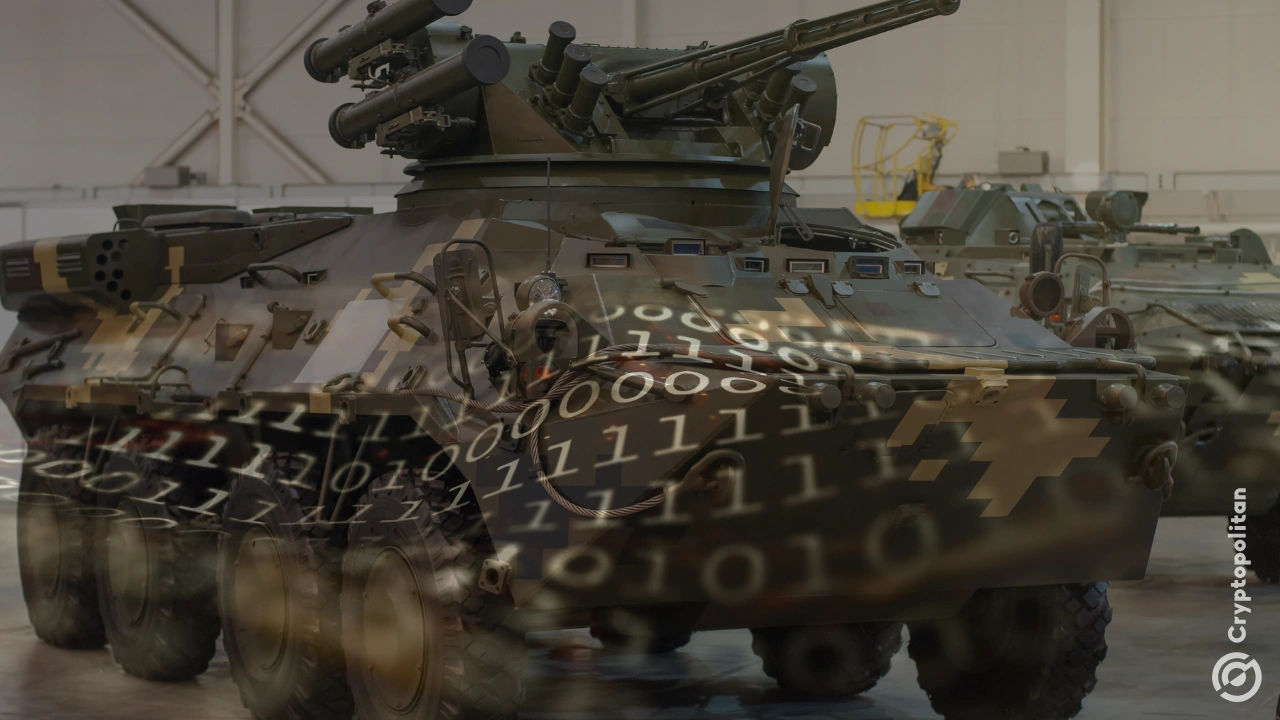
A major supply chain crisis is unfolding as Middle East conflict triggers a 10% surge in aluminum prices and threatens critical helium supplies for semiconductor manufacturing. Aluminum futures on the London Metal Exchange jumped 5.5% Monday, briefly hitting $3,492 per tonne—levels not seen since April 2022—following Iranian strikes that severely damaged Emirates Global Aluminium's Al Taweelah smelter, a facility producing 1.6 million tons annually. The attacks on key Gulf producers, responsible for 9% of global aluminum output, have disrupted the region's refining and export operations, creating immediate shortages for technology manufacturers worldwide.
Analysts warn of supply crisis reshaping global market
“The attacks have sent shockwaves through the global aluminum market, raising the risk of a supply crisis that could reshape the industry,” said April Kaye Soriano, an aluminum research analyst at S&P Global Energy. If the damage lasts, the market could move past any temporary softness and start reflecting tighter supply and higher prices, she said.
The problems extend across multiple industries. Aluminum goes into electronics, transportation, construction, solar panels, and packaging. Copper shipments have also been disrupted by the Strait closure, and because Iran was a big producer. That adds to shortages already driven by data center construction.
China is the world’s biggest aluminum producer. The country usually keeps production capped at 45.5 million tons per year to cut emissions and prevent overcapacity.
“If the Chinese government decides that the prices are too high, they can restart a number of idle smelters in the country, and the world will be full of aluminum,” Artem Volynets, chief executive of miner ACG Metals, said on March 18.
But Soriano from S&P Global thinks China’s ability to ramp up output is limited. “While there is some capacity to increase output, the global market remains exposed to further shocks, especially if the conflict spreads to other metal supply chains,” she said.
LNG disruption threatens semiconductor production
The strait carries 11 percent of global seaborne trade by volume each year, according to Tom’s Hardware analysis. It handles 20 percent of worldwide liquefied natural gas commerce.
Qatar’s Ras Laffan Industrial City, which supplies about one-fifth of global LNG, stopped production on March 2 after military attacks and then declared force majeure. About 90 percent of LNG from Qatar and the UAE goes east to Asian markets. European natural gas prices have jumped over 60 percent.
The same facility makes roughly 30 percent of the world’s helium as a byproduct of LNG operations. Helium works as an inert blanket and purge gas when making silicon wafers. It also works as a coolant when liquified. Samsung and SK hynix are watching this closely. Some Taiwanese firms reportedly have multi-year helium reserves stored up.
Asian tech stocks plunge on energy concerns
Over half of DRAM and NAND memory chips come from South Korea. Taiwan makes around 70 percent of the advanced processing chips used in smartphones, computers, and data centers. Both countries are among the biggest importers of liquefied natural gas from Qatar.
Asian equity markets tied to energy dropped fast on March 4. South Korea’s KOSPI stock index fell 12 percent, its biggest daily drop. Samsung Electronics and SK Hynix make up around 40 percent of that index. Taiwan’s TAIEX dropped 4.4 percent, with Taiwan Semiconductor Manufacturing Co. alone representing about 45 percent of the benchmark.
One-third of China’s total LNG use comes through the Strait. There’s also a container shortage building. Ships waiting at the strait can’t reach their destinations to unload, so containers aren’t available for return trips.
There’s a middle ground between leaving money in the bank and rolling the dice in crypto. Start with this free video on decentralized finance.
