Ethereum Foundation Mandate Triggers Internal Backlash as EF Charts Quantum-Resistant Future

A major internal rift has erupted within the Ethereum Foundation following the controversial signing of its new strategic mandate. The document, which outlines an aggressive roadmap to establish Ethereum as the $1T backbone of on-chain finance while pursuing quantum resistance, has sparked immediate backlash over its language and core objectives related to privacy and self-sovereignty.
Members of the Ethereum Foundation asked to sign document or be fired
All members of the Ethereum Foundation were asked to sign the Mandate document or be fired effective immediately. This has sparked a discussion on the overwhelming pressure for alignment and agreement, to the potential detriment of building real Ethereum upgrades.
The document focuses on diverse points, but leans toward censorship resistance as a core value.
“Censorship Resistance: No actor can selectively exclude valid use or break functionality, including by gaining durable, non-competitive control of any critical mechanisms,” states the Mandate.
The Ethereum Foundation will support unstoppable work, with no centralized intermediaries or kill switches. This approach may clash with the current practice, where necessity has led to the decision to freeze some assets and offer at least some modicum of control when carrying significant value within protocols.
Mandate document causes rift between the Milady community and Go Ethereum
Some of the controversy around the Ethereum Foundation mandate stems from the clash between the Milady community and Go Ethereum.
Miladies, as they are known on social media, use the NFT collection as their avatars and rally around their own vision of Ethereum. Ethereum’s co-founder, Vitalik Buterin, is also a self-professed Milady, signaling loyalty to the online community. Milady NFT owners have been one of the main supporters for adding almost esoteric language to Ethereum’s objectives and development.
At the same time, Go Ethereum, one of the major node clients, has spoken for a more pragmatic approach to running the network.
[x] milady’s core product is larp with the goal of growing the cult, it’s entirely inward-facing. the entirety of the lore is self-referential and the gap between self-ascribed importance and actual influence is vast. the philosophy hasn’t traveled any serious distance [..] https://t.co/RyBUX7BULZ
— ً (@lightclients) March 25, 2026
The recent EF mandate document further sharpened the battle between Go Ethereum and the Milady community.
The rift revealed Milady’s preferences for using the Foundation as the vehicle for cypherpunk ideas. Those ideas were set against the attempt to use Ethereum for its economic value and reliable products.
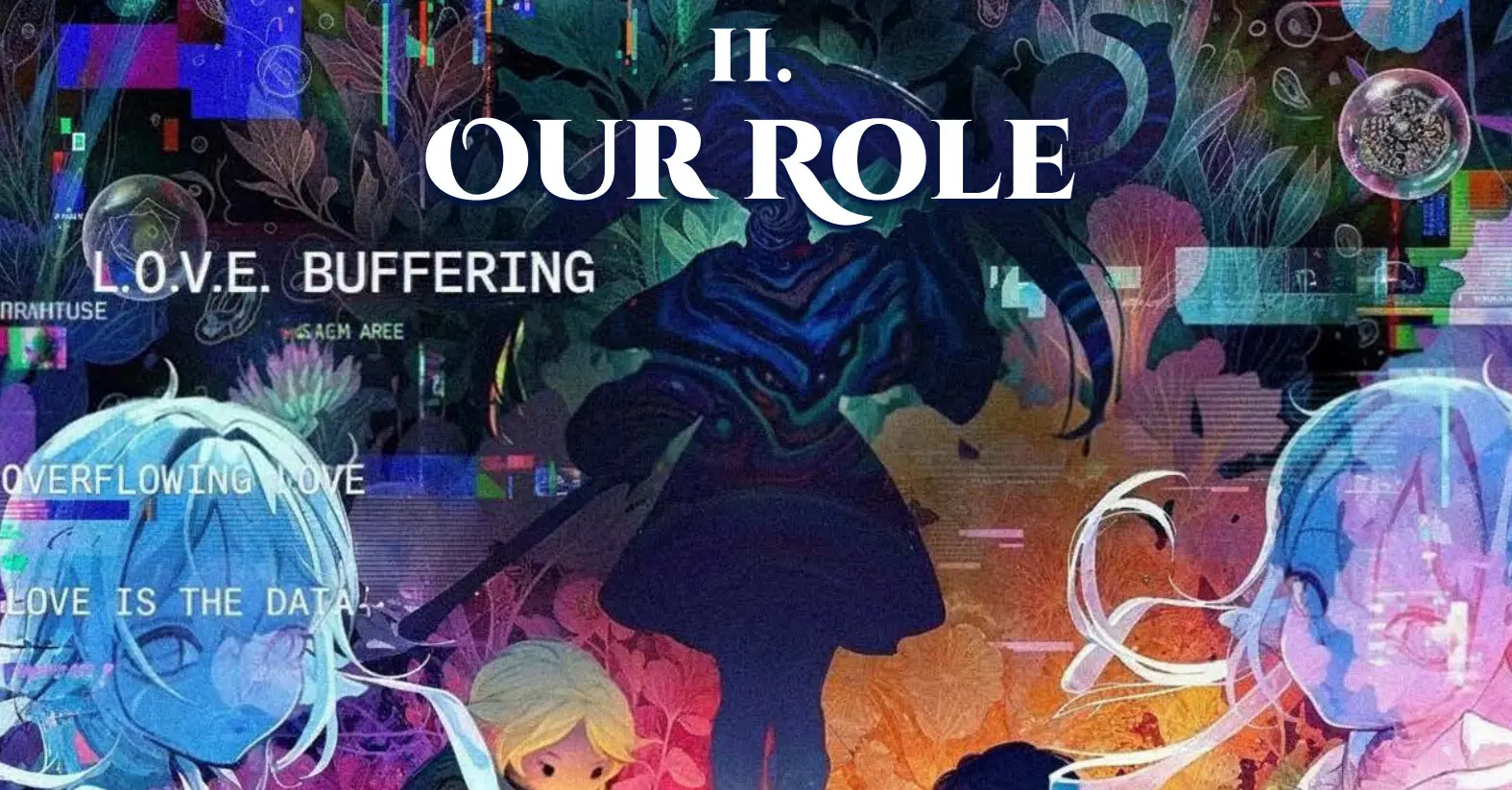
The Milady controversies are relatively unknown to those users of Ethereum who have seen the chain as a decentralized computer, suitable for financial operations. For some, the inclusion of Milady imagery in the EF mandate is worrying, sending a message beyond the text points. For some, the recent EF mandate is a form of ‘ideological babble’, and even the NFT and styling may harm the brand in an attempt to build a ‘fun’ social media culture.
The Milady fraction influence is significant for Ethereum, and the community is in charge of spending what remains of the still-significant Ethereum Foundation treasury. The Milady NFT owners have also launched a Milady Cult Coin (CULT), which is now 97% down from its peak.
The current social media discussion may signal a deeper rift for Ethereum, potentially creating problems for future development. The Ethereum Foundation has also been accused of overspending and selling too much ETH, only lately agreeing to stake some of the coins. Despite this, the Foundation deployed another 20,000 ETH in February and is left with 209K ETH.
Ethereum may be promising, but the Ethereum Foundation’s approach may be closely watched for turning into a cultish expression and swaying future development decisions.
If you're reading this, you’re already ahead. Stay there with our newsletter.
